
 Martina Jaureguy
 Updated August 21
Amy Booth and Facundo Iglesia contributed reporting
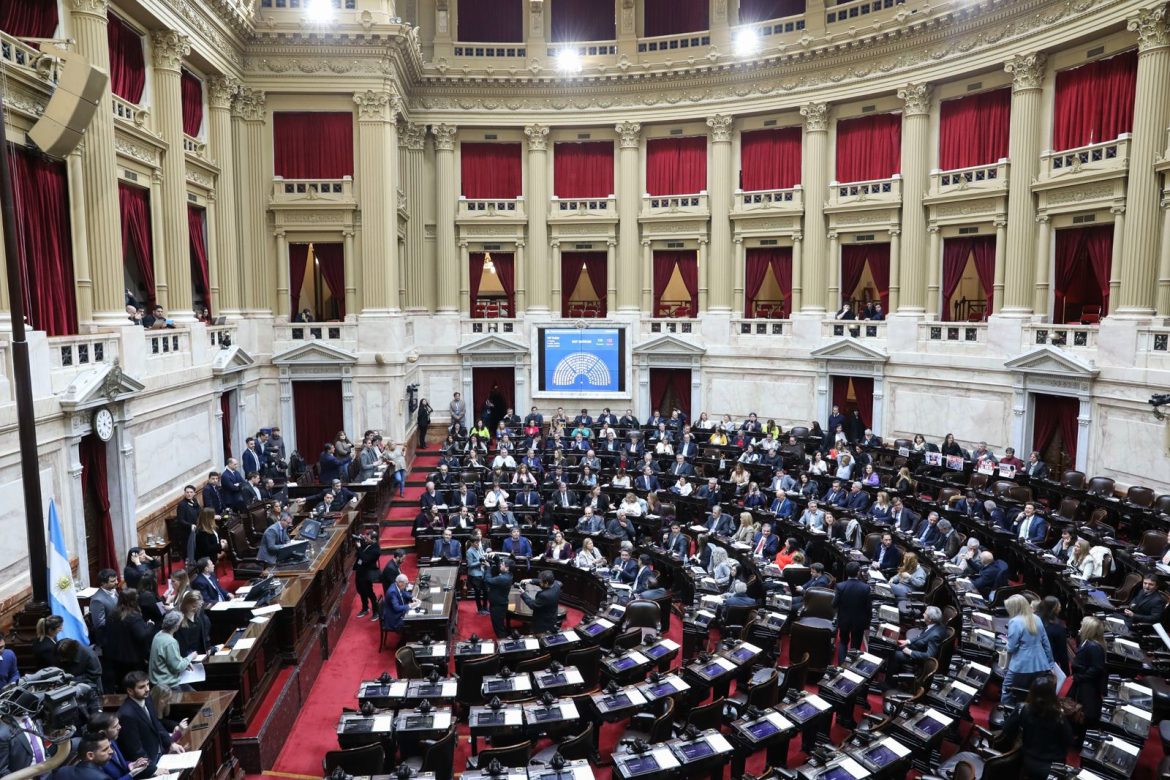
Argentina’s Lower House voted against President Javier Milei’s veto on a law passed last month that increased funding for people with disabilities in a session that tested the limits of the leader’s capacity to block laws by veto.
During a drawn-out session on Wednesday that continued into the small hours of Thursday, deputies also approved a law on distributing funding to the provinces and approved some modifications to unblock the functioning of a committee investigating the $LIBRA crypto scandal.
However, the opposition could not secure enough votes to overturn Milei’s presidential veto on a law hiking pensions.
In total, 172 deputies voted to overturn the disability funding veto, 73 voted against, and two abstained.
The disability funding veto now goes to the Upper House, where two thirds of the Senate would also need to vote it down for it to be definitively overturned.
The pension veto was upheld with 160 votes in favor of overturning it, 83 votes against, and six abstentions, falling short of the two-thirds majority needed to overturn the veto.
The law on automatically distributing money from the Fund of Contributions from the National Treasury to the provinces, an initiative pushed by provincial governors who have fought the national administration for cash, was approved with 143 votes in favor, 90 votes against, and 12 abstentions. The law had already been approved by the Senate.
Milei sought to repeal the laws on pensions and funding for people with disabilities on the grounds that they compromised fiscal surplus, which his administration accomplished through sweeping cuts.
Minutes before the start of the session, Presidential spokesman Manuel Adorni said that the government is “considering a raise in all welfare for people with disabilities.”
“Our decision is to prioritize attention for people with disabilities, strengthening medical, therapeutic, and support services,” Adorni wrote in an X post on Wednesday morning. He added that the measure would improve medical coverage across Argentina and that it would be possible “thanks to the savings accomplished by auditing disability welfare that had been incorrectly granted,” which he described as “shady businesses.”
Milei’s vetoes
For Congress to successfully overturn a veto, two thirds of the present lawmakers need to reject it in both the Lower House and the Senate.
In early August, Milei struck down laws that had retroactively increased retirees’ income and granted them a rise in their monthly bonus. He also rejected a moratorium that would have allowed older adults to retire by buying back missing social security contributions. He also vetoed the declaration of emergency in the disability sector, which aimed to give it a funding boost.
The emergency in the disability sector was originally approved by the Lower House with a two thirds majority. However, fewer deputies voted in favor of the pensions hike and moratorium during the initial session, and it was expected to be a tough battle for the opposition when the session started.
On Monday, Federal Judge Adrián González Charvay declared that Milei’s veto on the disability funds bill was not valid. His decision came in response to a lawsuit filed by the family of two 11-year-olds with disabilities. In his ruling, the judge said that “the right to healthcare, education, and rehabilitation of children with disability must prevail over budget restrictions.”
Milei’s first two vetoes remain in place after lawmakers did not reach the requirements to overturn them last year: one also aimed to increase pensions and restore the moratorium, and the other granted public university funding increases.
The Senate is expected to debate a new university funding bill and another declaring an emergency in the pediatric healthcare sector soon. On Tuesday, senators reached an agreement for a final version of the proposals to be debated. Both already have Lower House approval, and Milei has vowed to veto them.
