
 Valen Iricibar
 Throughout 2025, the Herald is publishing a special series to mark 50 years since the Operation Condor agreement was signed. The pieces were co-produced with the Plancondor.org project, coordinated by Dr. Francesca Lessa in collaboration with Project Sitios de Memoria Uruguay, the Observatorio Luz Ibarburu of Uruguay, and Chile’s Londres38 with support from University College London.
Even at four years old, Gabriela Schroeder Barredo knew that she was being lied to. Repeatedly, she asked the strange adults around her where her mother was, and the answers she received were always contradictory.
On one occasion, they tried to convince her that Rosario Barredo Longo had simply gone to buy her daughter a dress — despite the fact that her mother had always let her pick out her own clothes. On another, they told her that Rosario had traveled to Montevideo to visit Gabriela’s abuelos.
“That’s not true,” she said at the time. “She wouldn’t travel to Montevideo without me, and my grandparents just saw us.”
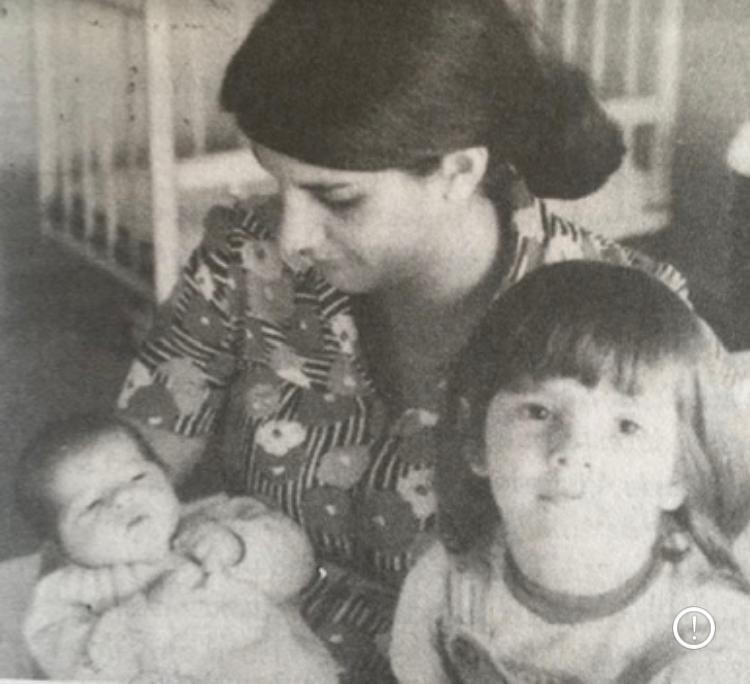
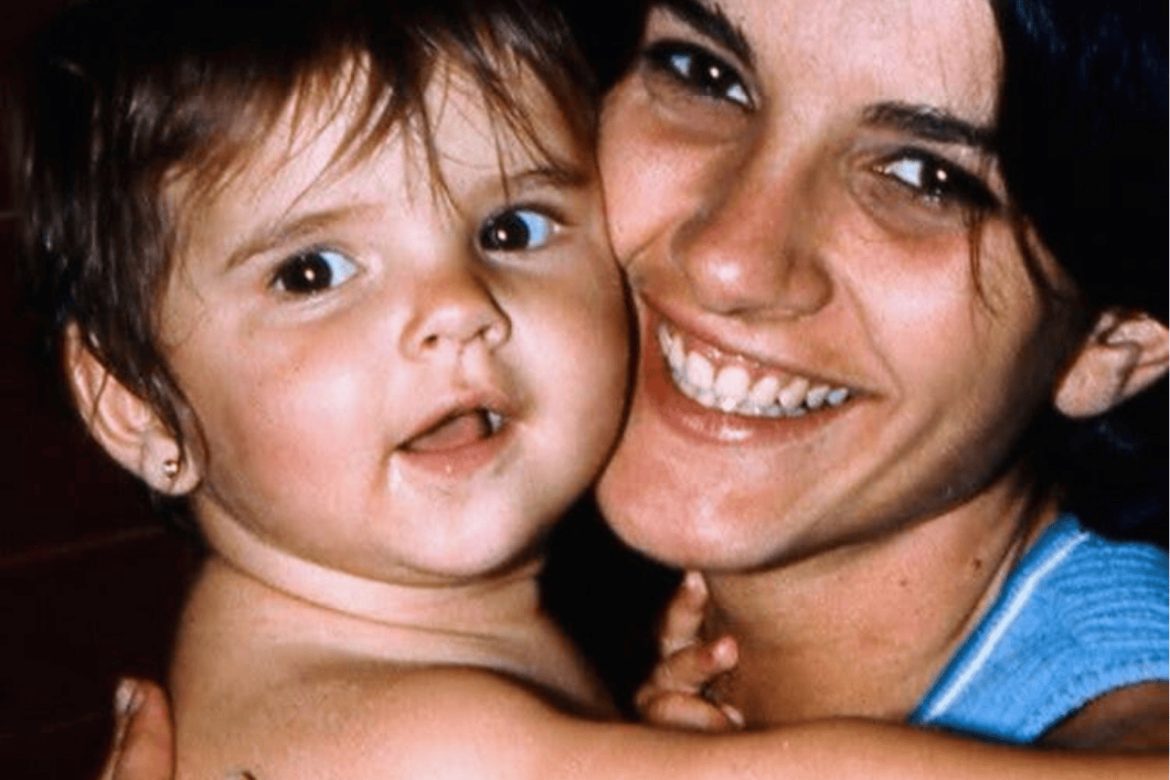
Almost 50 years later, Gabriela still scoffs at the stories she was told as a child in 1976, her even tone growing defiant as she recounts her precocious replies. She’d never see her mother again and understands now that those adults were, in fact, captors trying to house her and her two younger siblings, María Victoria, who was 14 months old, and Máximo Fernando, just two months old, with families approved by the Argentine dictatorship — a practice known as apropiación.
Simultaneously, intelligence officials from Argentina, Bolivia, Chile, Paraguay, and Uruguay were waging a brutal repression campaign officially known as Operation Condor. This campaign, which ran from 1975 to 1978 and eventually included Brazil, Ecuador, and Peru, saw security forces pursue political refugees and dissidents across borders in an effort to stamp out any perceived threat of subversion. Their tactics consisted of torture, kidnapping, rape, and mass murder, among others. Several countries, including Uruguay, received training from the United States.
Gabriela’s appropriators might have had extensive knowledge about her family through their contacts in Uruguay and Chile, but they likely did not expect the little girl’s defiance.
“I remember that my mother always encouraged me to ask questions, to give my opinion, even though I was young,” she told the Herald. “You couldn’t dress me in pants, either; I was quite set in my ways. I’m still a bit like that. If I know different, I’m going to tell you like it is. So I wasn’t about to buy what they were selling.”
“I was four years old, and the situation was just impossible,” she continued. “Because I was my mother’s daughter, I would contest everything they said. I think that kind of saved me because I left them two options: give me back to my family or kill me.”
Gabriela’s father, Gabriel Schroeder Orozco, was a member of the Tupamaros National Liberation Movement in Uruguay. He was killed on April 14, 1972, during a military operation in the Malvín neighborhood of Montevideo. The next day, Rosario, who was pregnant with her eldest daughter at the time, was arrested.
Gabriela was born in detention at the Uruguayan capital’s infamous Cárcel Central. After being held for more than six months, she and her mother were eventually released together that December.
Chaos roils Uruguay, Chile, and Argentina
By 1973, Uruguay was no longer a safe place for the Barredos to live. Security forces had already tortured or killed many members of the Tupamaros with whom her parents had associated in a series of anti-guerrilla operations that began under President Jorge Pacheco Areco (1967-1972).
On June 27, the military staged a coup d’etat when Pacheco’s successor, Juan María Bordaberry (1973-1976), dissolved parliament and instituted a civil-military dictatorship. Trade union federations responded by launching a nationwide general strike, but that lasted just over two weeks before it was violently suppressed. Most union leaders were imprisoned, killed, or forced into exile in neighboring Argentina, and both organized labor and the country’s resistance movement were dealt a bloody blow from which they would take years to recover.
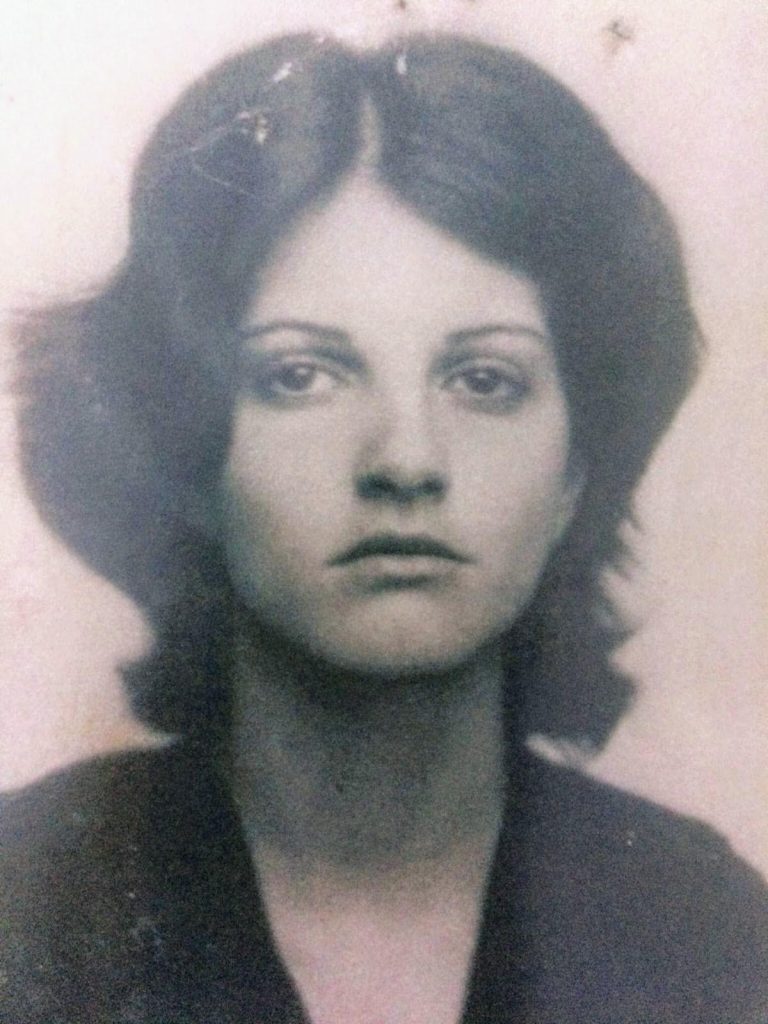
Rosario took her child to Chile in June 1973 in the hope of escaping Uruguay’s military rule. Many other Uruguayans had also made the journey, but no sooner had they arrived than their refuge quickly devolved into a familiar chaos.
“My family was somehow torn apart several times in just four years,” Gabriela explained. “First, I was born without a father. Then, I was born in prison, where my mother was my only role model. Then, I had to go somewhere else.”
The Barredos moved to Chile three years after the socialist Salvador Allende defeated conservative former President Jorge Alessandri, who had been seeking a second, non-consecutive term. Under the direction of the Richard Nixon administration in the United States, the CIA had used money, intelligence, and other resources to try to influence the results of the election. Leonid Brezhnev, the leader of the Soviet Union at the time, followed suit with his own intelligence agency, the KGB. After Allende’s victory, Nixon was reportedly furious.
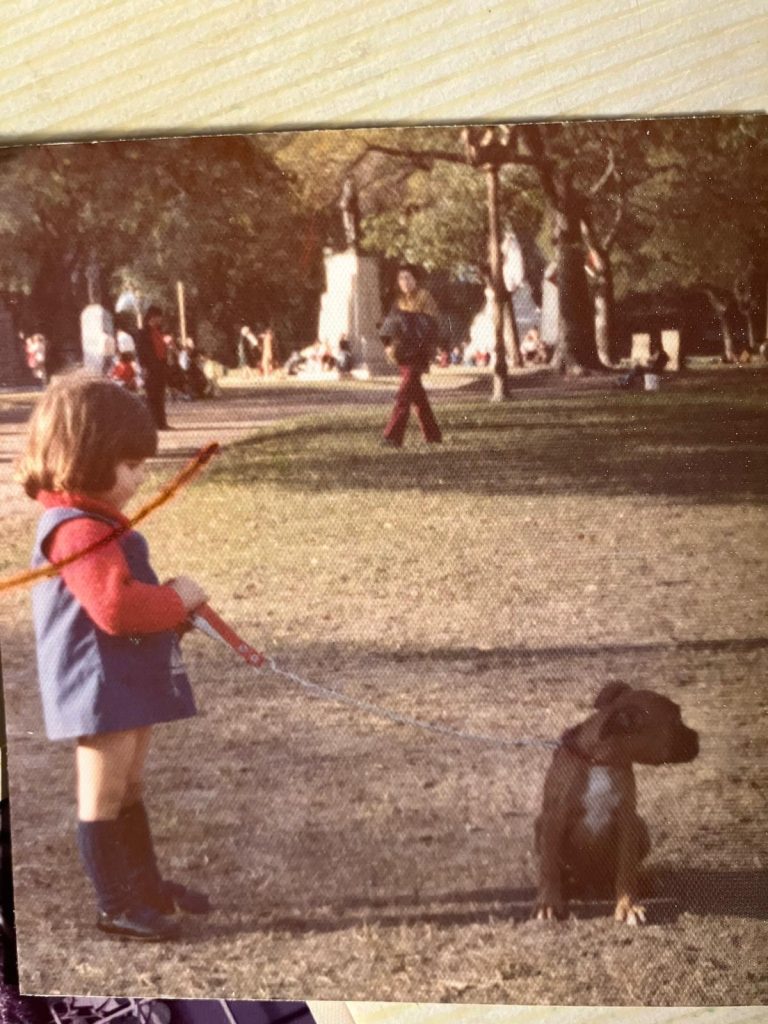
Many left-wing groups from around Uruguay had fled to Allende’s socialist Chile, fearing persecution at home. But on September 11, 1973, General Augusto Pinochet launched a coup of his own, bombing the La Moneda Presidential Palace in Santiago in an effort to take it by force. During the siege, Allende committed suicide, and the Chilean junta would hold power for 17 years.
Fearing the kind of persecution she experienced in Uruguay, Rosario then moved to Argentina. It would prove to be her final destination. In Buenos Aires, Rosario met William Whitelaw, and they had two children. Together, they denounced the armed struggle of the Tupamaros back at home, instead seeking to promote democracy through the political movement “Nuevo Tiempo,” which they founded in 1974.
“I was very happy in this city, and those were the last moments I was with my mother. But at the same time, I lived through the worst of horrors,” said Gabriela.
On May 13, 1976, the military junta in Argentina kidnapped her family from their home in the Caballito neighborhood of Buenos Aires. The bodies of Rosario and her partner were found eight days later in an abandoned vehicle, along with those of Zelmar Michelini and Hector Gutierrez Ruiz — two Uruguayan legislators who had promoted a return to democracy. All four were executed by an Argentine-Uruguayan task force operating out of the Bacacay clandestine detention center in Buenos Aires.
Gabriela was now under the “care” and “responsibility” of the military. She had become another victim of Operation Condor.
You might also be interested in: The Operation Condor files: Argentina’s military said this mom was partying in Spain. The truth was much darker
A wanted infant
The transnational hunt for Gabriela’s family first went public in the Buenos Aires Herald.
“My uncle, Gustavo, lived here in Buenos Aires and worked in the press,” she said. “He knew the newspaper’s editor, [Robert] Cox. So, my grandfather went there, to look for help, to get support.”
“The Herald was vital in creating a pressure campaign to find me. Without it, I would not be here talking to you.”
On May 29, Juan Pablo María Schroeder Otero, Gabriela’s paternal grandfather, eventually received the long-awaited phone call: two little girls and a baby had been left in a health center, and he could collect them from the police station in Vicente López.
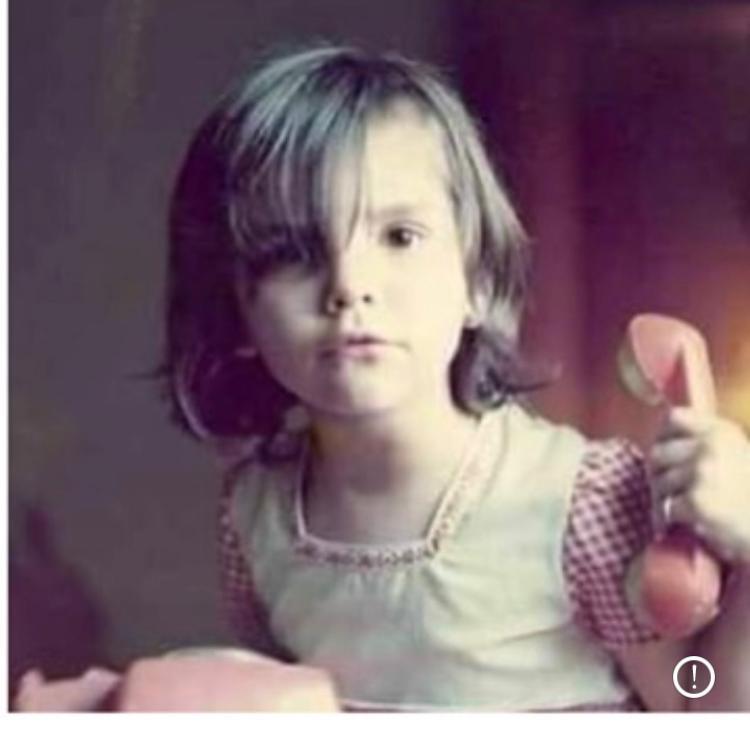
Upon returning to Montevideo, Gabriela was raised by her paternal father’s side of the family, the Schroeders, while her siblings, María Victoria and Máximo Fernando, were taken to France to live with William’s parents, the Whitelaws.
Across the region, quinceañeras, or 15-year-old birthday parties, are celebrated with extravagant parties akin to weddings and sometimes trips. Gabriela chose the latter, traveling to her childhood neighborhood in Buenos Aires, where she had last been with her family.
“I remembered everything… the neighbors couldn’t believe I was alive,” she told the Herald.
“My brothers and I are the only survivors. The only living memory is in me — so there’s a sense of enormous responsibility.”
It was during this excursion that Gabriela decided to take ownership of her story and file her own lawsuit.
“We were an instrument of torture,” she said. “We were imprisoned and separated from our parents. So many things happened to us directly, beyond the horrors of having to live as orphans, as a result of growing up without our parents. I started raising awareness about what had happened to us as children, to show that we were not collateral damage but direct victims.”
“That became my north star.”
Part of what animates Gabriela is the understanding that countless others lived through similar ordeals.
“I wrote a story once,” she continued. “I never found it again, but I argued that my generation is the generation of broken plates. We arrived at the dining table, and all of the plates were broken.”
“In the end, we’re the direct victims of decisions — and this might be a tough thing to say — made by the adults who loved us and were meant to protect us. These people may have loved us unconditionally, but they made decisions that hit us hard.”
“We learned to glue the plates together,” she concluded. “We ate. And we will keep eating.”
All pictures courtesy of Gabriela Schroeder Barredo
Additional reporting by Christopher Martin and Jacob Sugarman
