

 Martin Eayrs
 This is the latest in Martin Eayrs’s series on birding in Argentina. Previous installments include Buenos Aires City, Bañado La Estrella in Formosa, and Parque Nimez in Patagonia.
Nestled in the heart of northeastern Argentina’s Corrientes Province, the Iberá Wetlands –or Esteros del Iberá– form one of South America’s largest and most pristine freshwater ecosystems. Spanning more than 13,000 square kilometres, this vast natural reserve is a breathtaking mosaic of lakes, marshes, lagoons, floating islands, and subtropical grasslands.
The word “Iberá” comes from the Guaraní language and means “shining waters”. The wetlands are part of a protected area that includes both the Iberá Provincial Reserve and the Iberá National Park, which together are vital sanctuaries for wildlife and offer sustainable ecotourism opportunities. The area is currently home to a number of rewilding activities.
For birders, the Iberá Wetlands are nothing short of magical. With more than 350 recorded bird species, it is one of the premier birdwatching destinations in all the Americas. The region’s diverse habitats provide ideal conditions for a wide range of birds — from delicate grassland songbirds to dramatic wetland waders and charismatic macaws. The wetlands are also an important stopover and breeding ground for many migratory species from North and South America.

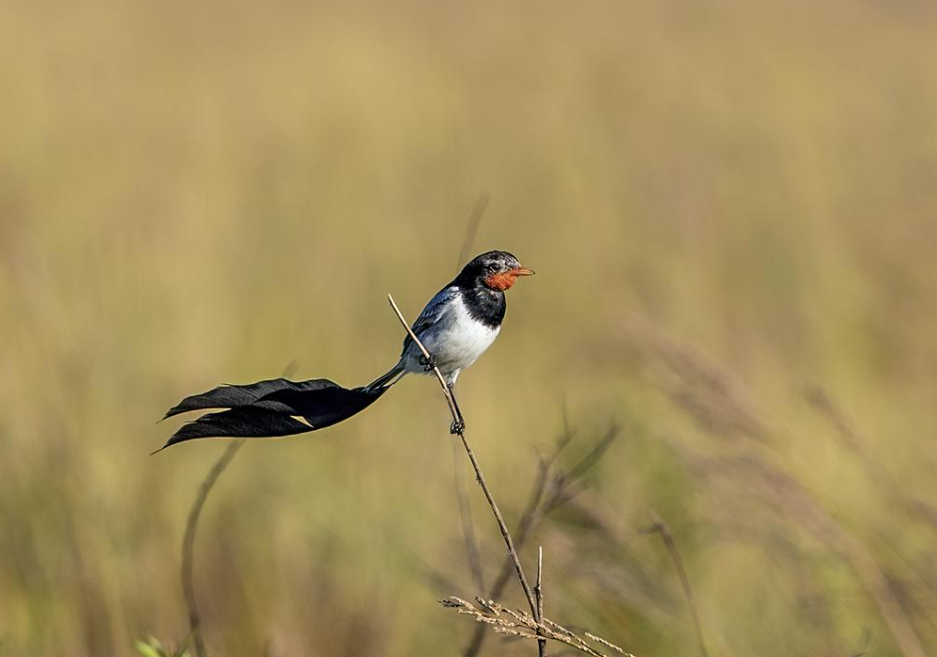
Among the most prized birds that visitors can hope to see are the Black-and-White Monjita (Heteroxolmis dominicana), the only species in the genus Heteroxolmis; the Yellow Cardinal (Gubernatrix cristata), a rare and endangered species with a beautiful song and striking plumage; the Strange-tailed Tyrant (Alectrurus risora), a unique species of the grasslands, with a peculiar long tail that trails behind in flight; the Green-winged Macaw (Ara chloropterus), recently reintroduced as part of a conservation initiative and now gradually reclaiming its native territory; Streamer Tail Tyrant, Black-collared Hawk, Roseate Spoonbill.
The wetlands are also home to numerous seedeaters, herons, ibises, toucans, and nightjars and the improbable Jabiru Stork — the tallest flying bird in South America. One endangered bird you might see at Cambyretá, the Ibera Seedeater (Sporophila iberaensis), was only discovered a few years ago.
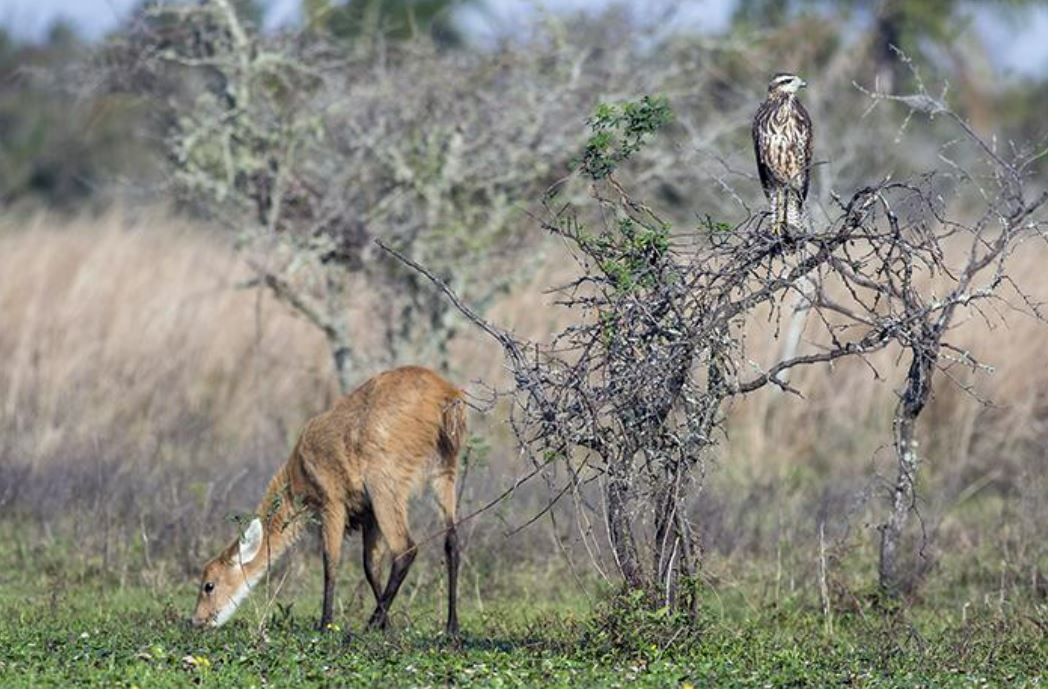
While birds are the highlight, the Iberá Wetlands are also home to a dazzling array of other wildlife, including easily seen capybaras (the world’s largest rodent), marsh and grey brocket deer, yacaré and broad snouted caimans, howler monkeys and, with a lot of luck, giant anteaters, giant otters, jaguars, pampas deer and the rare and elusive maned wolf.
You may also be interested in: A stork standing on a capybara watching a deer: wildlife-watching in Argentina’s wetlands
The wetlands have in recent years become a beacon of ecological restoration through the work of conservationists Doug and Kristine Tompkins, now led by Fundación Rewilding Argentina. Through this initiative some 1.3 million hectares of degraded ranch land has been transformed into thriving ecosystems, and several native species that had vanished from the region have been reintroduced, including jaguars, giant anteaters, collared peccaries, red-and-green macaws and giant river otters.
Access to the wetlands is through one of many ‘portals’ (entry points), some more developed than others. The most developed is the Portal Laguna Iberá at Colonia Carlos Pellegrini, with many ecolodges and boat safaris on offer. The Portal Cambyretá, accessed from the town of Ituzaingó, is also a good option – Ituzaingo was chosen as home to the 2024 South American Bird Fair, and has good infrastructure for visitors interested in birds and other wildlife. The Portal Capivarí near the charming small town of Loreto is another good option, with a local focus on rewilding and research.
All these centres offer rustic eco-lodges, local guides and organized excursions by foot, boat, or horseback and are designed to immerse visitors in the landscape while protecting the fragile ecosystems. Most lodges will provide early morning and sunset birding tours, often led by bilingual guides with a deep knowledge of local flora and fauna. Tranquil and unspoiled, Iberá is still relatively undiscovered by mass tourism, making it ideal for those seeking an authentic nature experience.
Getting there
Getting to the Iberá Wetlands depends on which portal you’re heading to, as it’s a vast area spread over more than 13,000 km². The nearest airports are Corrientes (CNQ), Posadas (PSS) and Resistencia (RES) — check with a map which is best for you. All have daily flights from Buenos Aires.
From these airports you can get a bus or taxi to Mercedes, Ituzaingó or Concepción del Yaguareté Corá, towns that can serve as a base for your trip. You can also rent a car, but remember many roads in and around the wetlands are gravel, and some require a four-wheel drive, especially in heavy rains. There are no petrol (gas) stations in the Wetlands.
When’s the best time to visit?
The wetlands can offer rewarding experiences year-round, depending on your interests. Spring (September to November) has mild temperatures (20–30°C), and the birds are nesting and highly active with young capybaras and deer everywhere. Summer (December to February) is good for biodiversity, with lots of birds, amphibians and reptiles, but temperatures reach 40°C. Autumn (March to early May) has cooler temperatures (15–28°C), drier roads and the birding is still good. Winter (June to August) will be quiet with less vegetation, making it easier to spot mammals, but nights can be chilly and there are fewer bird species around.
Why you should visit Iberá
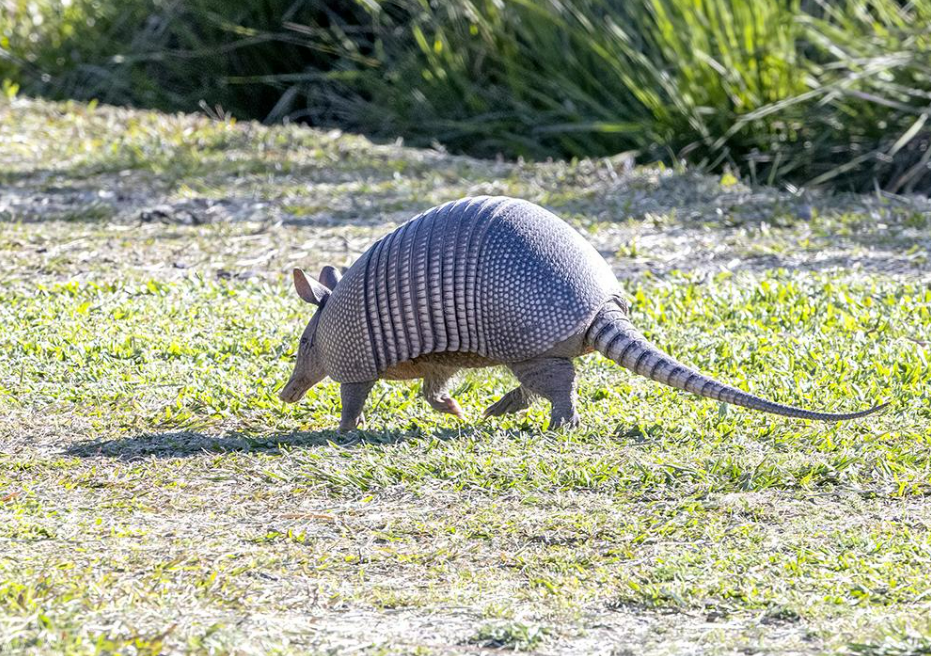
- Observe wildlife that is hard to see: not only capybaras, armadillos, caimans, howler monkeys, and marsh deer, but possibly pampas deer, macaws, giant anteaters or maned wolves
- Over 350 bird species, including the striking scarlet-headed blackbird, jabiru stork, yellow Cardinal, strange-tailed tyrant and green-winged macaw.
- Comfortable, locally run lodges offer local food and you can go on guided excursions with passionate conservationists.
- Or stay in ranches, ride horses across wetlands, and experience Argentine gaucho life: rustic, real and unforgettable.
- Iberá isn’t overrun by tourists; you’ll often have the trails, boat rides, and wildlife to yourself.
- Off the beaten track, it’s ideal for those who like the road less travelled.
- It’s one of the most intact wetland systems in the world, with floating vegetation mats, clear freshwater lagoons, and wet grasslands
- No cities, no noise, no rush; just birdsong, water, and the occasional splash of a caiman

Birds you might see
Iberá is home to over 350 bird species, ranging from showy macaws to subtle seedeaters. Here’s a short list of species you might see.
Parrots & Macaws
Green-winged Macaw (Ara chloropterus)
Monk Parakeet (Myiopsitta monachus)
Flycatchers & Tyrants (Tyrannidae)
Strange-tailed Tyrant (Alectrurus risora)
Streamer-tailed Tyrant (Gubernetes yetapa)
Songbirds & Finches
Yellow Cardinal (Gubernatrix cristata) – endangered
Black-and-rufous Warbling Finch (Poospiza nigrorufa)
Ibera Seedeater (Sporophila iberaensis)
Chestnut-capped Blackbird (Chrysomus ruficapillus)
Doves & Pigeons
Picazuro Pigeon (Patagioenas picazuro)
Eared Dove (Zenaida auriculata)
White-tipped Dove (Leptotila verreauxi)
Tinamous & Ground Birds
Spotted Nothura (Nothura maculosa)
Red-winged Tinamou (Rhynchotus rufescens)
Southern Lapwing (Vanellus chilensis)
Herons, Egrets & Ibises (Waterbirds)
Cocoi Heron (Ardea cocoi)
Great Egret (Ardea alba)
Snowy Egret (Egretta thula)
Roseate Spoonbill (Platalea ajaja)
Whistling Heron (Syrigma sibilatrix)
Plumbeous Ibis (Theristicus caerulescens)
Bare-faced Ibis (Phimosus infuscatus)
Wood Stork (Mycteria americana)
Maguari Stork (Ciconia maguari)
Jabiru (Jabiru mycteria)
Raptors (Birds of Prey)
Black-collared Hawk (Busarellus nigricollis)
Snail Kite (Rostrhamus sociabilis)
Great Black-Hawk (Buteogallus urubitinga)
Roadside Hawk (Rupornis magnirostris)
Ducks & Waterfowl
White-faced Whistling Duck (Dendrocygna viduata)
Brazilian Teal (Amazonetta brasiliensis)
Black-bellied Whistling Duck (Dendrocygna autumnalis)
Other Wetland Birds
Limpkin (Aramus guarauna)
Wattled Jacana (Jacana jacana)
Southern Screamer (Chauna torquata)
Common Gallinule (Gallinula galeata)
Owls & Night Birds
Burrowing Owl (Athene cunicularia)
Tropical Screech-Owl (Megascops choliba)
Nacunda Nighthawk (Chordeiles nacunda)
Bonus Highlights
Toco Toucan (Ramphastos toco)
Guira Cuckoo (Guira guira)
Greater Rhea (Rhea americana)