
 Martin Eayrs
 Whether you’re a serious and dedicated birder or just someone who likes to look at birds in the wild, Argentina has to be one of the best countries in the world for birdwatching. With about 1,100 species spread around many diverse ecosystems, and with 15% being endemic (only found in Argentina), it’s a top spot for birdwatchers worldwide.
Visitors to Argentina can choose between some exceptional places to go birding: National Parks, Protected Areas, or, as often as not, just looking out of the window of your house or car. Frequently visited areas include the Iguazú National Park (a UNESCO site), which is excellent for Atlantic Forest species; the Esteros del Iberá (the second-largest wetland in South America) and the Valdés Peninsula (a hotspot for seabirds and penguins, not to mention whales and other marine life). No other country in the world has such diverse ecosystems: think penguins swimming in the Beagle Channel, toucans flying over the Iguazú Falls, and all that lies between. And Argentina is well prepared to cater to bird lovers, with well-developed ecotourism possibilities: guided tours, eco-lodges, and birding hotspots accessible from most major cities.
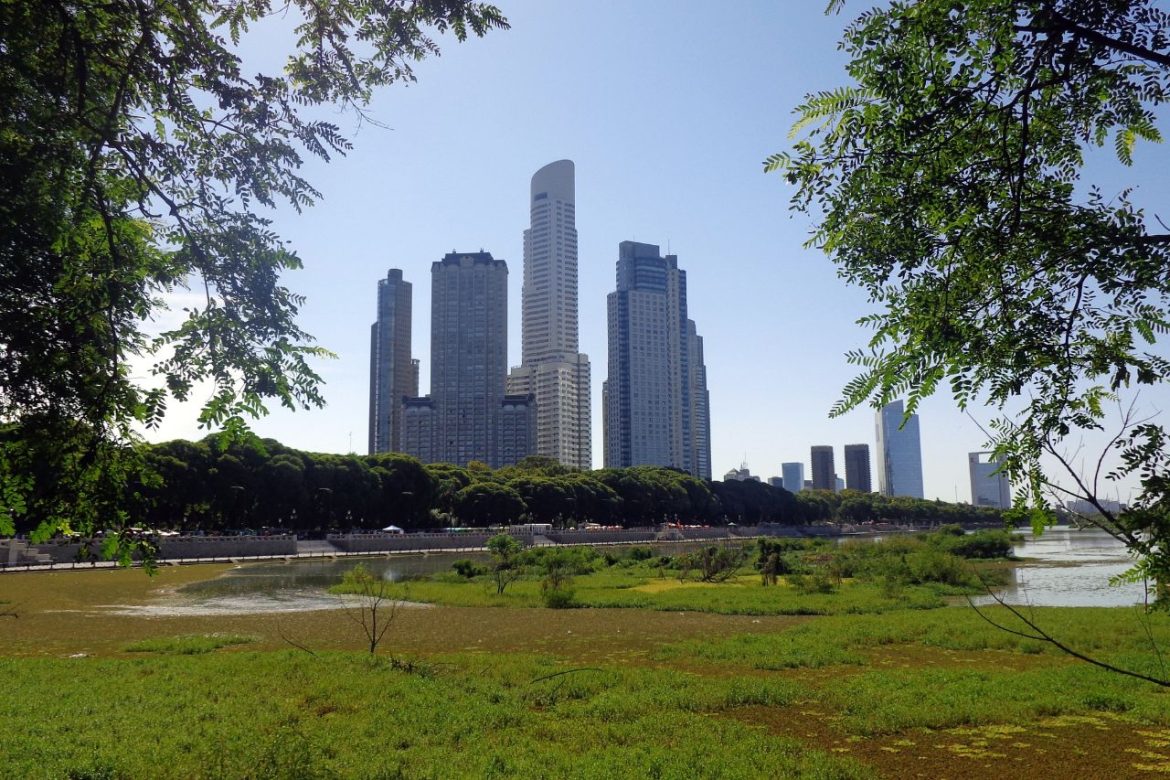
This series will examine birding sites all over Argentina. But let’s start, as most visitors do, in the city of Buenos Aires. There are several good places for birding in the city, but it’s home to what must be one of the best places in the world to see large numbers of species in a short time. The massive Costanera Sur Ecological Reserve (Reserva Ecólogica de la Costanera Sur, known locally as RECS) is only a short walk from the bustling downtown and, birder or not, is well worth visiting.
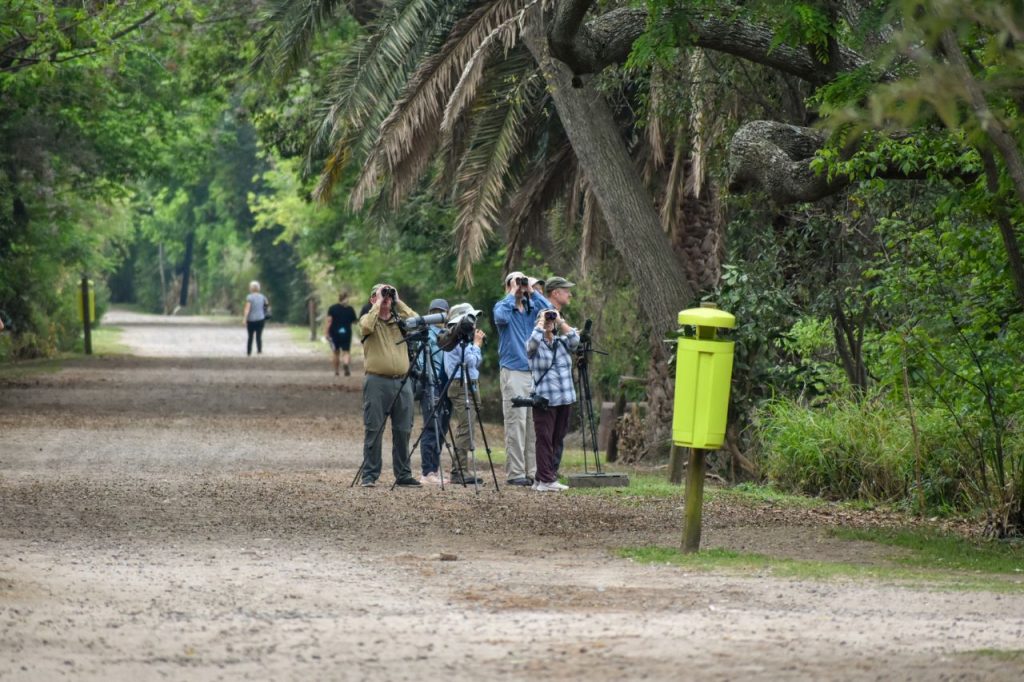
At 350 hectares, this is the largest and most biodiverse nature reserve in the city and a perfect escape from the urban hustle, offering fresh air, scenic trails, and a whole lot of wildlife. And even if you’re not especially a nature enthusiast or a hardcore birdwatcher with binoculars at the ready, this place has something special to offer any casual visitor looking for a peaceful stroll in leafy surroundings, crisscrossed with winding paths that take you past three lagoons and right up to the shore of the River Plate. These paths are perfect not only for birding but also for walking, jogging, or cycling, making it a favorite spot for locals who want to escape city life for a bit.
RECS is home to over 2,000 species of plants and animals, making it one of the most important urban nature reserves in South America. Keep your eyes open, and you’re bound to spot something fascinating. You might come across huge lizards basking in the sun, turtles lazily swimming in the lagoons, or coypus munching on vegetation. If you’re lucky, you might even spot an armadillo scurrying across the path!
But the real stars of the reserve are the birds. With some 350 species recorded here, this is a paradise for birdwatchers. Even if you don’t know much about birds, you’ll still be amazed by the sheer number and variety of them. Serious birdwatchers can easily spot 50 different species in just a couple of hours, and many birders come regularly all year round, specifically to catch a glimpse of rare or migratory birds that pass through the area.
In 2005, the reserve gained international recognition as a Ramsar site, a title given to wetlands of global importance. This means it plays a crucial role in maintaining biodiversity, water purification, and climate regulation. But that’s not all. BirdLife International also classified it as an IBA (Important Bird Area), highlighting its significance for bird conservation. These designations aren’t just honorary; they help ensure that the reserve remains protected from urban expansion and environmental threats. Conservation efforts are ongoing, and local organizations frequently conduct research, clean-up events, and educational programs to raise awareness about the importance of preserving this incredible ecosystem.
Why go to the reserve?
- You’ll see incredible wildlife: whether you’re a birdwatcher, an animal lover, or just someone who enjoys nature, the biodiversity here is truly impressive
- It’s a photographer’s dream: the combination of natural landscapes, wildlife, and city views creates endless opportunities for stunning photos
- It’s a peaceful place to escape to. If you’re tired of the noise and crowds of Buenos Aires, it’s perfect to unwind
- It’s free! Unlike many attractions, there’s no entrance fee. You can come as often as you like without spending a peso
- It’s great for exercise: the well-maintained trails make it an excellent spot for walking, jogging, or cycling
- It’s part of Buenos Aires’ history: the transformation of this area from an abandoned construction site to a thriving nature reserve is a fascinating story in itself
Birds you might see
- Ducks and Swans:
- Coscoroba Swan (Coscoroba coscoroba)
- Muscovy Duck (Cairina moschata)
- Ringed Teal (Callonetta leucophrys)
- Brazilian Teal (Amazonetta brasiliensis)

- Parrots and Parakeets:
- Monk Parakeet (Myiopsitta monachus)
- Ñanday Parakeet (Aratinga nenday)

- Hummingbirds:
- Blue-tufted Starthroat (Heliomaster furcifer)
- Glittering-bellied Emerald (Chlorostilbon lucidus)

- Herons and Egrets:
- Great Egret (Ardea alba)
- Snowy Egret (Egretta thula)
- Whistling Heron (Syrigma sibilatrix)

- Raptors:
- Chimango Caracara (Milvago chimango)
- American Kestrel (Falco sparverius)
- Aplomado Falcon (Falco femoralis)

- Woodpeckers:
- Campo Flicker (Colaptes campestris)

- Thrushes:
- Creamy-bellied Thrush (Turdus amaurochalinus)

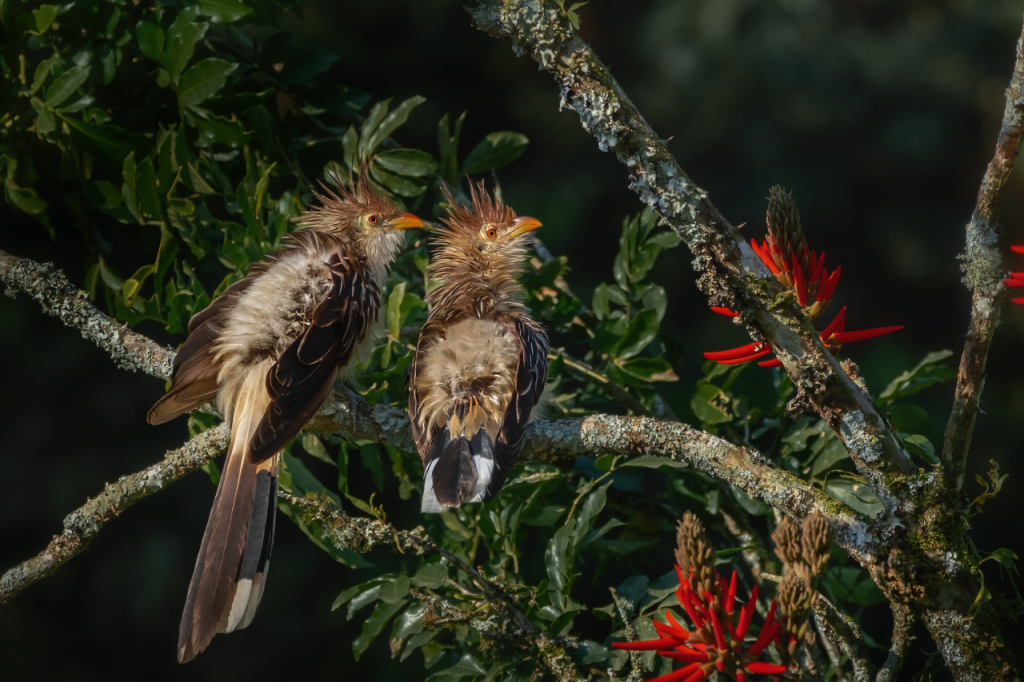
- Cuckoos:
- Guira Cuckoo (Guira guira)
- Doves:
- Eared dove (Zenaida auriculata)
- Picazuro pigeon (Patagioenas picazuro)

Whether you’re visiting Buenos Aires for the first time or you’ve lived here for years, the Costanera Sur Ecological Reserve is a must-visit. It’s a reminder that even in the middle of a sprawling metropolis, nature finds a way to thrive. So next time you need a break from city life, grab your walking shoes, pack a pair of binoculars, and head to the reserve. You never know what amazing wildlife encounter awaits!

_(27841278424).jpg)