
 Martina Jaureguy
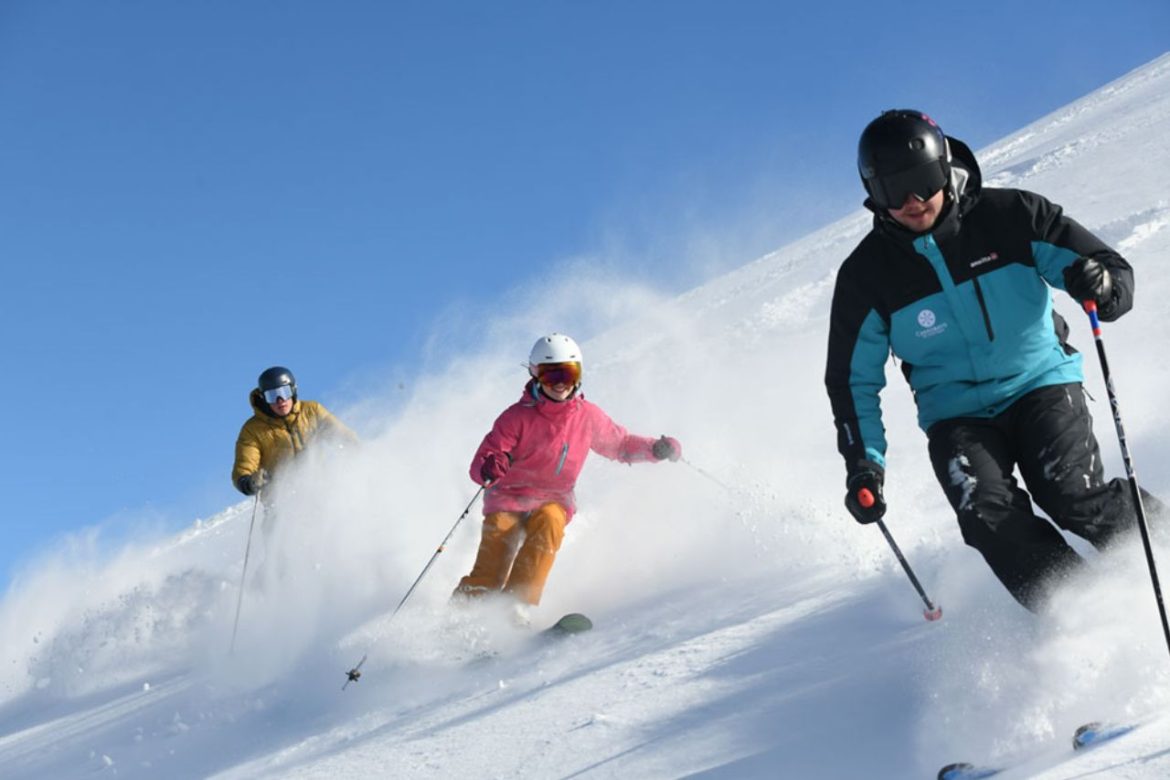
 Ski resorts across the Argentine Andes, in Patagonia and Mendoza province, are facing a difficult season as a lack of snowfall has left slopes without the thick base needed for skiing.
The crisis comes as most provinces are on winter school break, traditionally the busiest time of year for tourists heading to the mountains to enjoy the snow and winter sports.
A long-awaited snowstorm hit Bariloche (Río Negro province), Villa La Angostura, San Martín de los Andes (Neuquén) and Malargüe (Mendoza) between Tuesday and Wednesday, blanketing the region in snow.
According to the National Meteorological Service, more snowfall is forecast through Monday, but it may not be enough to build a sufficient base on the ski runs.
These destinations are home to some of Argentina’s best-known ski resorts: Cerro Catedral in Bariloche, Cerro Bayo in Villa La Angostura, Cerro Chapelco in San Martín de los Andes and Las Leñas in Malargüe.
Other major ski resorts, including Cerro Castor in Ushuaia and La Hoya in Esquel, Chubut province, have not experienced the same shortage of snow this year.
You may also be interested in: Herald favorites: Argentina’s best hiking spots
Not enough snow
Resorts in the worst-affected areas have been operating at reduced capacity after closing runs with insufficient snow cover. In some cases, sections of the mountain have yet to open this season and, in those that have opened, they’ve had to resort to using fake snow to compensate.
In Bariloche, only the beginner slopes at Cerro Catedral were operating, tourists visiting the resort told the Herald.
They reported long queues for the lifts on Thursday morning and said they were charged full price despite most runs remaining closed. A day pass costs around US$110 per person.
According to local media, Las Leñas plans to operate at full capacity from this weekend, while other ski resorts are expected to open additional runs as snowfall increases.
The impact extends beyond lift ticket sales. Many people who had planned skiing holidays have cancelled their trips altogether.
Visitors who do not ski but had hoped to see snow in the mountains — one of the region’s main attractions — have also changed their vacation plans.
You may also be interested in: What not to miss in Patagonia
A drop in tourism
Tourism operators say the lack of snow is already taking a toll on visitor numbers.
Mercedes López Gomara, a travel agent based in Villa La Angostura, told the Herald that hotel occupancy is running at just 35% — an unusually low figure for the winter break period.
“For ski resorts, the lack of snow is a major problem because tourists stop coming,” she said. She added that “the winter season had already been a disaster in 2025 across the entire Andes region,” making this year’s situation even more challenging.
Las Leñas, however, has been less affected than the resorts around Villa La Angostura and Bariloche because it has received more snowfall, she said.
López Gomara stressed that the lack of snow is not the only reason tourism has fallen. The World Cup, she said, tends to affect travel every four years because “people generally postpone planning their trips” while the tournament is under way.
The economy is another major factor. “The fact that the dollar is cheap in pesos and everything else is so expensive does not help,” she said, arguing that inflation measured in dollars has undermined Argentina’s competitiveness.
For Argentines, converting their incomes into dollars makes vacationing prohibitively expensive. For foreign visitors, the exchange rate means their dollars and other foreign currencies buy less than they did in previous years, making Argentina a more expensive destination, she said.
She added that the worsening economic situation facing many Argentines and a “lack of government policies” to promote traveling have further reduced domestic tourism.
Brazilian visitors remain the exception. “Brazilians keep coming not only because they want to ski, but also because they want to see the snow, something they don’t have in their country,” López Gomara said.
At the same time, high tourism prices in Argentina are prompting many locals to choose destinations such as Brazil or Europe instead.
López Gomara believes the ongoing snowstorms will allow the tourism sector to recover at least partially and enable more ski runs to reopen.
However, she noted that travelers who cancel because of poor snow conditions usually postpone their trip until the following year rather than rebooking later in the season.
“If they have already paid, many can request a refund. Some hotels also allow guests to roll their payment over as credit for the following year,” she said.
You may also be interested in: From ice giants to imposing mountains: what to do in Patagonia
Cover photo credit: Cerro Bayo
