
 Buenos Aires Herald
Seven Argentine universities, all public, were among the world’s top 10% in this year’s global Center for World University Rankings (CWUR) — but most slid down the rankings since 2024 amid funding cuts. An eighth fell off the list of the top 10% entirely.
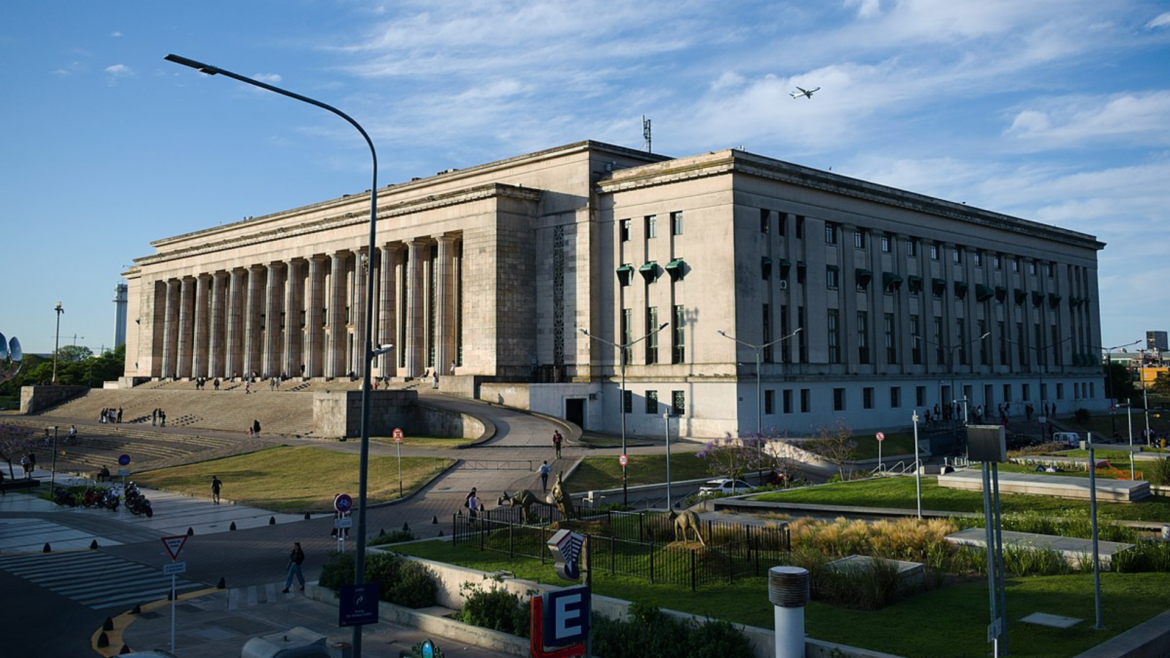
The University of Buenos Aires (UBA) remains the number one university in Argentina and is in the top 2% of the 21,462 institutions ranked worldwide. It was on the list of the 2000 best universities in the world, which make up roughly the top 10%.
The UBA was ranked 409th worldwide this year, but in 2024 came 390th.
The National University of La Plata remained the second-best university in Argentina but dropped from 732nd place in 2024 to 752nd in 2025. The only Argentine university to improve its standing was the University of Córdoba, which climbed from 974 (2024) to 819 in 2025.
They are followed by the National University of Rosario, the National University of the Litoral, the National University of Cuyo, and the National University of Mar del Plata. The National University of the South did not make it onto the 2025 best 2000 universities list.
Argentina’s public university system has suffered from waves of cuts and budget freezes since President Javier Milei began his agenda of state cuts in late 2023. Universities struggled with the lack of a budget adjustment for 2024 despite 211.4% inflation in 2023, which resulted in massive marches and other protests to defend public education.
During 2024, the situation was so dire that universities across the country were forced to switch off the lights and the heating because they couldn’t afford the bills, while the Hospital de Clínicas, part of the UBA, was forced to suspend some medical procedures.
The government eventually increased the budget for basic operational costs and paid a meager salary raise, but later vetoed a bill that would have granted universities a funding increase. The academic community continues to denounce nonexistent research funding, evaporating salaries, and widespread cuts.
In a recent statement, the National Inter-University Council (CIN, by its Spanish initials) said that almost all science programs led by the science secretariat are “paralyzed,” including contracts with international publishers, international science collaboration programs, and initiatives equipping universities and research institutes.
“In the long run, this affects the country’s capability to compete internationally, develop its own technology, and respond to global challenges with innovative solutions,” the organization said on May 6.
You may also be interested in: Was 2024 a lost year for Argentine research?
