

 Buenos Aires Herald
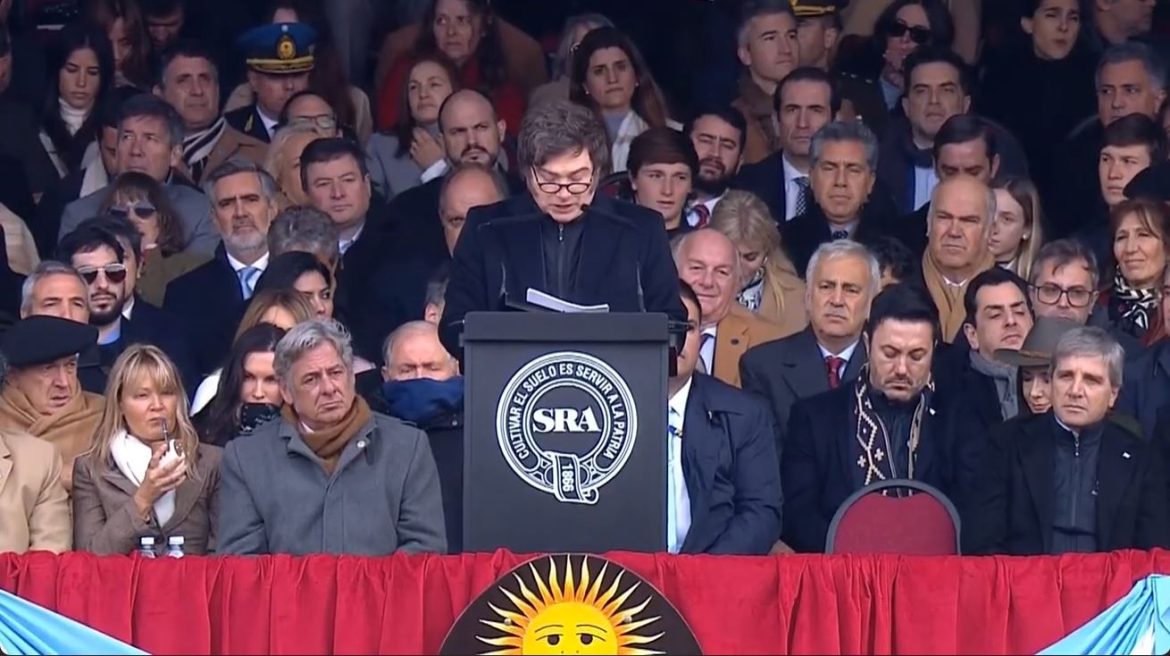
President Javier Milei announced a reduction in agricultural export duties for most products, less than a month after his administration had increased them. Milei made the announcement in a speech on Saturday at the Rural Expo, an annual fair of Argentina’s farming sector.
“This seeks to boost farming, the economy’s most productive sector, which has been severely punished by these taxes over the last 20 years,” said the president. He added that the reductions were “permanent” and promised they would not return while he is in power.
Permanent elimination of export duties has been an ongoing demand of the country’s powerful farming sector for decades. Governments have used them not only to collect money but also to cap local food prices. They have been implemented as negotiation tactics as well, as lower export duties encourage exporters to liquidate their U.S. dollar sales, which add to the country’s international reserves.
Milei’s administration initially cut export duties for some agricultural commodities in January. The break, initially intended to last until June and later extended to July, was applied to soybeans, corn, sunflowers, sorghum, and all their byproducts. Last month, the administration reinstated higher export duties for an array of products, sparking criticisms from farming associations.
The new export duties
Beef sales abroad, which until now had a 6.75% export duty, will now be charged 5%. Corn will also go down (12% to 9.5%), as well as sorghum (12% to 9.5%), sunflower (7% to 4%), soybeans (33% to 26%), and soybean by-products (31% to 24.5%).
Export duties for a plethora of agricultural goods, known in Argentina as regional products, were permanently eliminated by the previous administration. These included sugar, cotton, wine, tobacco, forestry products, and rice, among others. Last month, the administration also established that export duties on wheat and barley would remain at 9.5% until March 31, 2026.
As the government faces an international reserve scarcity crisis, buoyed by the temporary cut in export taxes, the agroindustry had been liquidating roughly US$200 million per day in the first half of the year. However, the agroindustrial sector is expecting a sharp drop in dollar inflows.
Milei said that the tax reduction for the sector is “only possible thanks to the fiscal surplus.” He confirmed, to thunderous applause, that his administration would veto laws recently passed by Congress increasing retirement pensions and the budget for disabled people, arguing that they would “lead the country into bankruptcy and poverty.”
“Did you think the chainsaw was a joke?” he asked.
Milei’s announcement was preceded by a plea by Nicolás Pino, the head of Argentina’s Rural Society, which groups some of the country’s farmers, for the total elimination of export duties.
“We know what to do, and we like our work. We only ask that we be allowed to do it without any adversities other than those posed by nature,” Pino said, adding that since 2022, export duties contributed “more than US$200 billion to the state coffers.”
“Where is that money today? What did the governments do with it?” he asked. He went on to lambast the tax, calling it a “scourge on the common good, damaging Argentina as a whole and seriously hindering its development.”