 Sorrel Moseley-Williams
 While the sad, bad news is that wine consumption is dwindling in Argentina, there’s a chink of positive news that a humble family of grapes is exciting both seasoned drinkers and occasional or novice tipplers.
The stat that Argentines would drink 98 liters per capita in the 1960s is repeatedly wheeled out when blaming the younger generations who choose to drink less or — worse! — no alcohol for this economically catastrophic decline in consumption. Argentina is, after all, the world’s fifth-biggest wine producer, and there’s a general feeling in the industry that there has been a loss of support as well as something of a loosening of the embrace of cultural heritage.
Those good old days hark back to a time when in fact consumers for the most part didn’t know what they were consuming. In 1977, Bodega Humberto Canale in Río Negro province gave ‘Semillón’ an identity for the first time by labeling it with the variety’s name, while ‘Malbec’ was commercially registered three years earlier. Ignorance of bottle contents was rife, and, given that the population was likely often blotto, it hardly mattered.
Today wine consumption is at just under 16 liters per person, a sad, bad historic low, and the favorite red continues to lead the pack, both at home and in wine glasses around the world. But inching its way forward is the Criolla grape family, with a new origin story worth sharing.
The Criolla origins
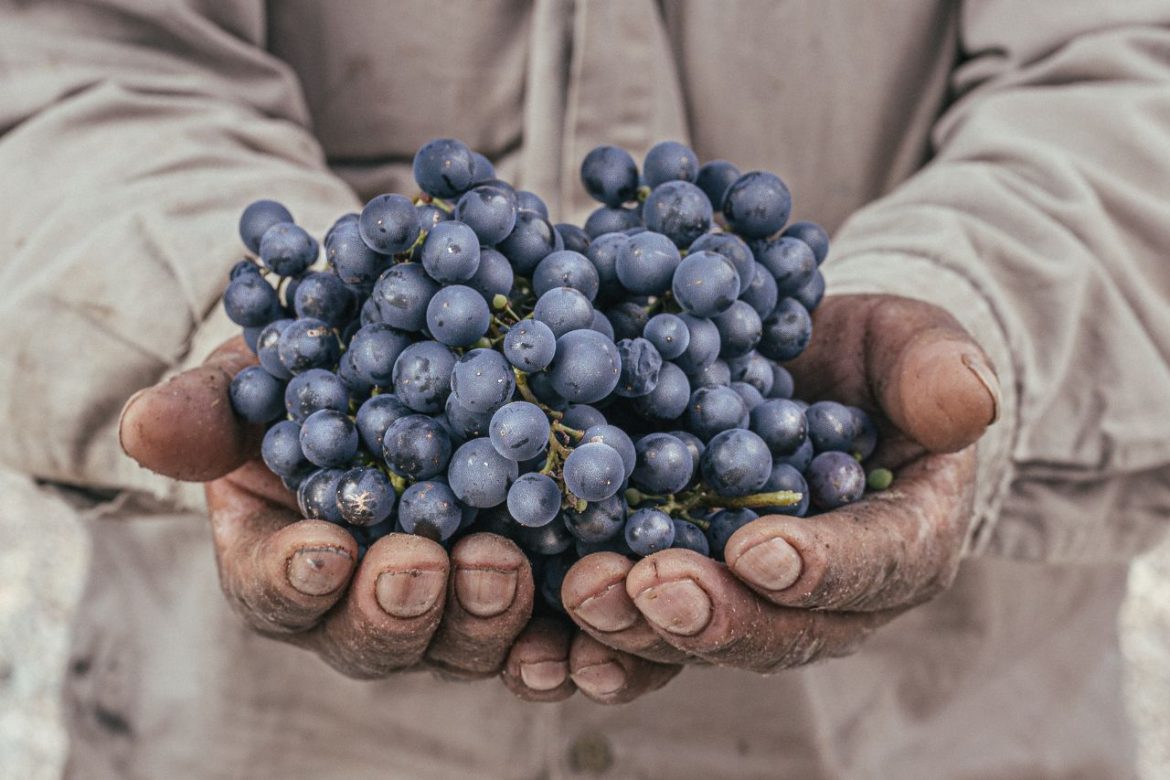
Rather than a single grape, Criolla is a family of varieties that arose in the Americas after European vines brought by Spanish colonizers naturally crossbred in the 16th century. First introduced to Argentina in 1553 to produce wine for Catholic Mass, these grapes laid the foundations of the country’s mainstream wine industry.
The Criolla family has several members, including Criolla Grande, Criolla Chica, Cereza, Pedro Giménez and the renowned Torrontés, to choose from; think of it like selecting which citrus juice you want — orange, pink grapefruit or lime. So, yes, there are similarities, but the passion for telling Argentina’s winemaking story is what’s driving the grape group’s popularity.
These light-skinned red and aromatic whites tend to have lower alcohol and have proven time and again that they can make top-quality wines, as well as make excellent pairing companions.
In San Juan, Cara Sur winery has long been discovering old vines that are more than 100 years old, nurturing them into valuable production since 2011. The wines made by Pancho Bugallo, Sebastián Zuccardi, Marcela Manini and Nuria Año Gargiulo are terroir-driven, exploring the nuances of Calingista Valley and reviving both the ancestral grapes, such as Moscatel Tinto and Criolla Chica, and old vineyards.
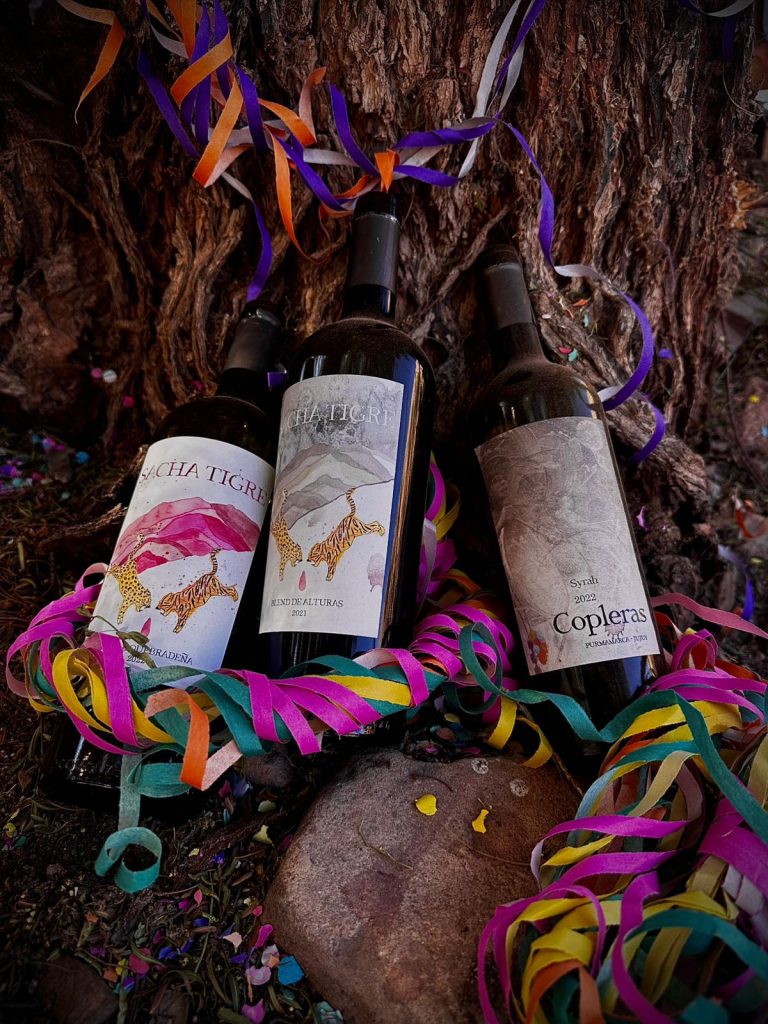
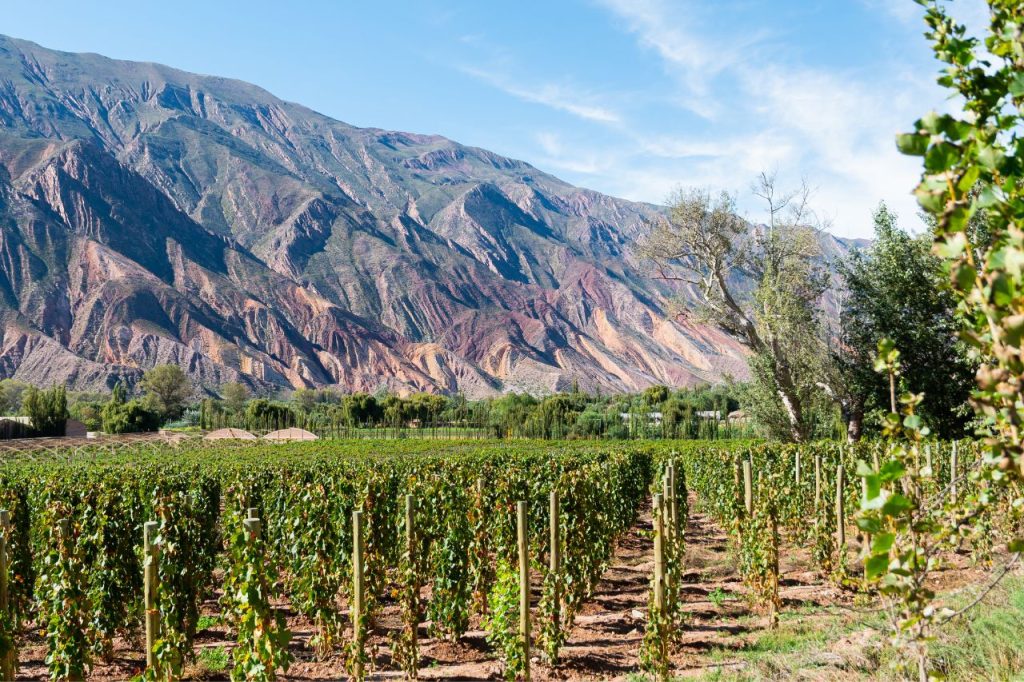
Further north in the Quebrada de Humahuaca in Jujuy, wine grower Matías Michelini teamed up with El Bayeh’s Daniel Manzur — a champion of caring for old vines — for a special project. They realized that many families in the elevated region grew grapes at home to make hooch for Carnaval. So, they put out an ad on the radio, asking for the vecinos to call up and let them know the possible quantities they had, thereby discovering just how many vines existed in this highly elevated corner of Argentina. The upshot is El Bayeh Pequeños Parceleros, in production since 2019.
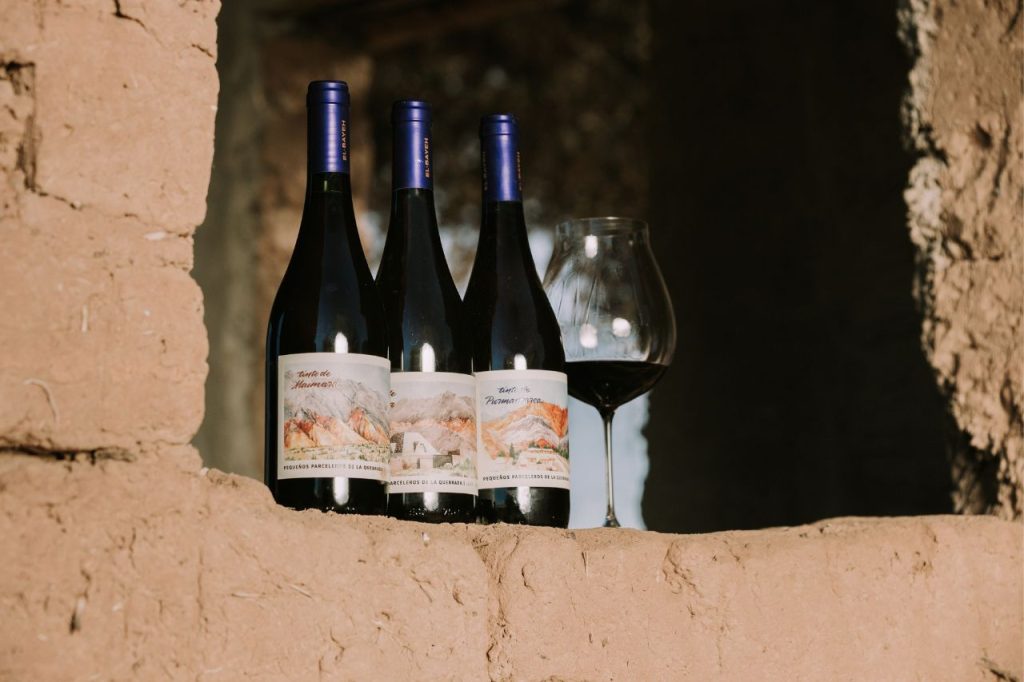
Since the revival began, one of the versatile heritage varieties has been granted quality status by the Instituto Nacional de Vitivinicultura (INV). Criolla Chica — known as Listán Prieto in Europe and most commonly grown in the Canary Islands — joined the INV’s cast of illustrious reds in August 2024. The institute has registered more than 70 types of Criolla planted on more than 300 hectares around the country.
The story of Criollas now brings together the past with the future, and now many around the world are reevaluating other native strains. In Uco Valley, Mendoza, husband-and-wife team Juanfa Suárez and Cecilia Durán make three Criolla wines at Roca Madre. A professional trumpeter who has played with bands such as Onda Vaga, he’s now the fourth generation to turn his hand to the grape-growing industry.
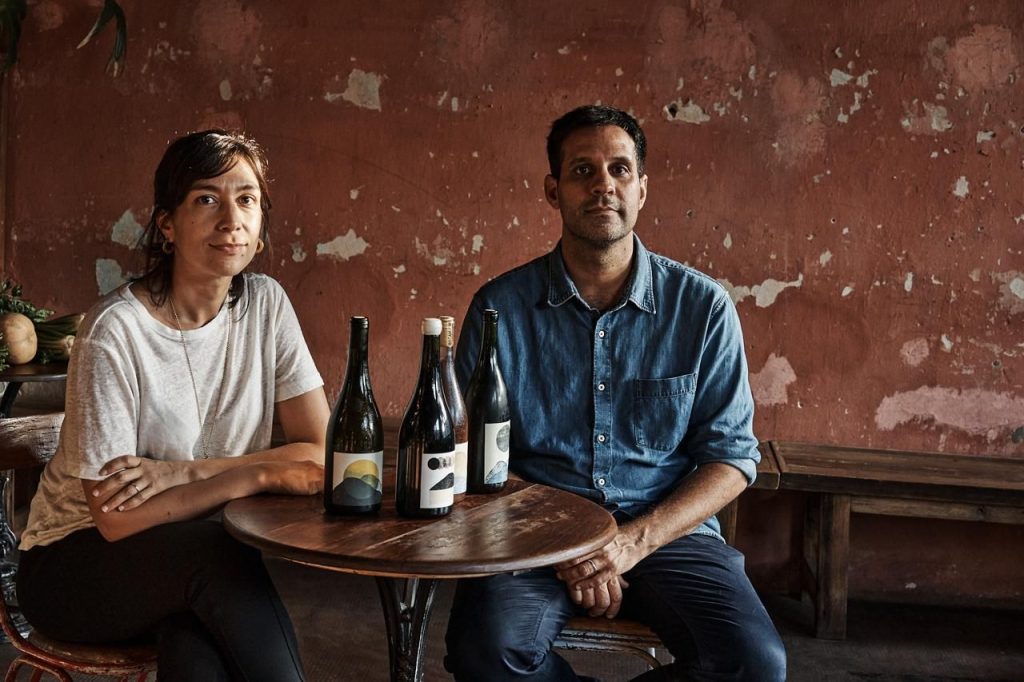
They started making Criolla in 2019 from a 60-year-old vine in Vista Flores, looking for a light red for the portfolio. Criolla, he claims, seemed ideal due to its history, cultural and heritage value.
“Last year we planted half a hectare of Criolla Chica in a special place called Jardín de Piedras. What’s new about this planting is its high density and location in the prestigious Paraje Altamira; that wine will be released next year,” he tells me.
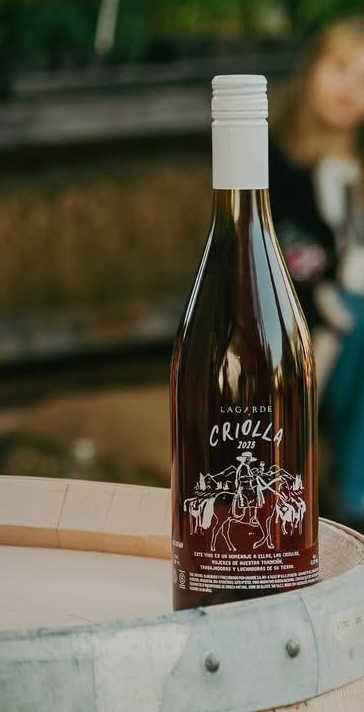
Sofía Pescarmona, of Bodega Lagarde, agrees. In their case, for Lagarde Criolla, the grapes come from an organic vineyard in the Uco Valley, where they found “the freshness, purity and expression we were looking for in this project”. The result, she says, is a wine with “enormous personality yet very easy to enjoy: fresh, light, vibrant, and with great gastronomic versatility. It has the freshness and approachability of a rosé, but the subtle structure of a light red. That’s why it works exceptionally well with fish and vegetables, as well as with meat and charcuterie.”
Beyond its characteristics, Pescarmona describes this wine as an “exciting” project: rescuing Argentine winemaking heritage and demonstrating that Criolla grapes can give rise to high-quality, contemporary wines deeply connected to local identity.
“It’s a way of looking toward the future, without losing sight of our roots.”
Five Criolla to try:
Here are some ideas to try next time you’re after a light red that’s an alternative to Pinot Noir or Grenache:
- El Bayeh Pequeños Parceleros, Jujuy
- Cara Sur Parcela La Totora (Criolla Chica), San Juan
- Bodega Kindgard Sacha Tigre Criolla Quebradeña, Jujuy
- Roca Madre Criolla Blanca (Pedro Giménez), Mendoza
- Bodega Lagarde Criolla (Criolla Grande), Mendoza