

 Adrian Luna
 Content marketing
How do you find the best tango lessons in Buenos Aires? It’s a tricky question, because every person, couple, and group has different expectations, meaning the best classes for you might not fit someone else’s needs. So, asking a slightly different question makes a big difference: “How do you find the best tango lessons for you?”
Buenos Aires is the capital of tango and the ideal place to start dancing or improve your skills. However, the huge number of options can be overwhelming when you’re trying to decide. Here are some tips to make the choice easier.
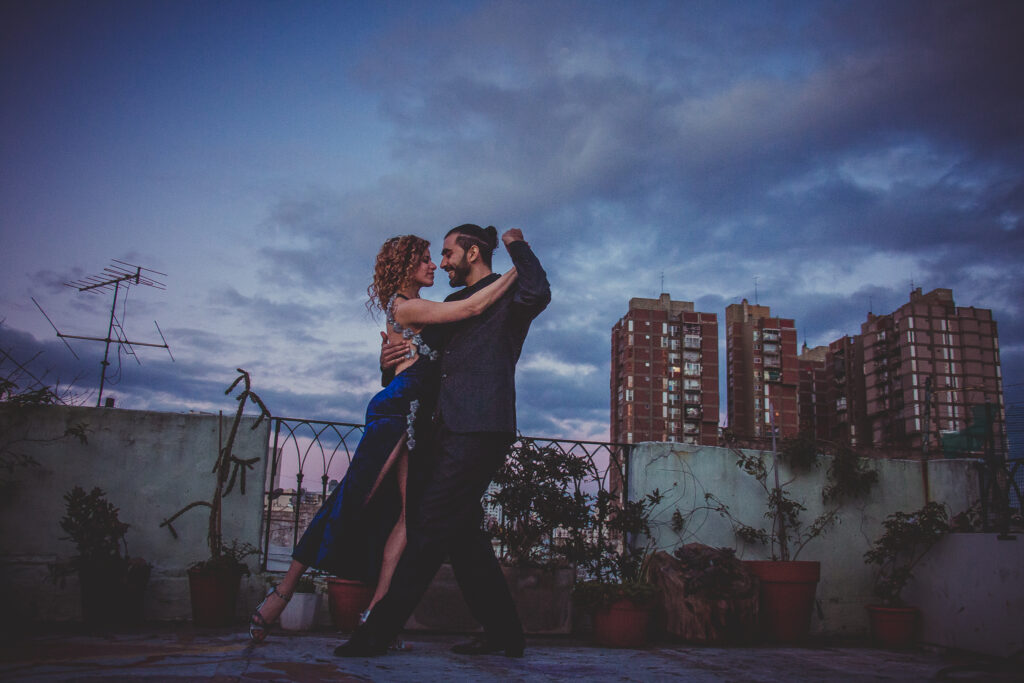
Set your goals and expectations first
Having a clear image of the outcome you’re hoping for will help to orient you when choosing lessons and designing your learning program.
- Many tourists are just looking to dip a toe into the waters of tango. Since tango is probably the most authentic activity in Argentina, booking one or two lessons is normally enough for you to have a valuable experience. Most people in this category tend to fall into one of two groups, which I call “Tango Selfie” and “Local Experience.”
- If you’re a Tango Selfie person, it means you’d like a picture of yourself doing the “tango pose.” If that’s the case, then you can do so by booking a group lesson, without engaging much in the activity. But if you really want to experience the tango as a language, like the Argentines do, then you’re looking for a local experience. If that’s you, consider booking a private lesson so you can really get a feel for what tango is about and understand the beauty of this amazing dance. Combining private and group lessons has proven to deliver the best results over short periods of time.
- You may want to join the community of social tango dancers, going to milongas and other places to dance tango. This community is growing exponentially all over the world.
- You might already be a professional dancer, actor, or artist coming to Argentina to learn tango and include this unique skill on your resume.
- Your goal could be to become a professional tango dancer — if that’s you, then you’ll have to think of a long-term plan.
- Medical advice is another common motivation for tango classes, given the proven benefits of this activity on our minds, bodies, and souls.
- The dynamics of tango can provide a fantastic platform for team building. Whether you’re coming with colleagues or your family, it’s an experience that can be designed to connect with others and work on a group’s communication skills.
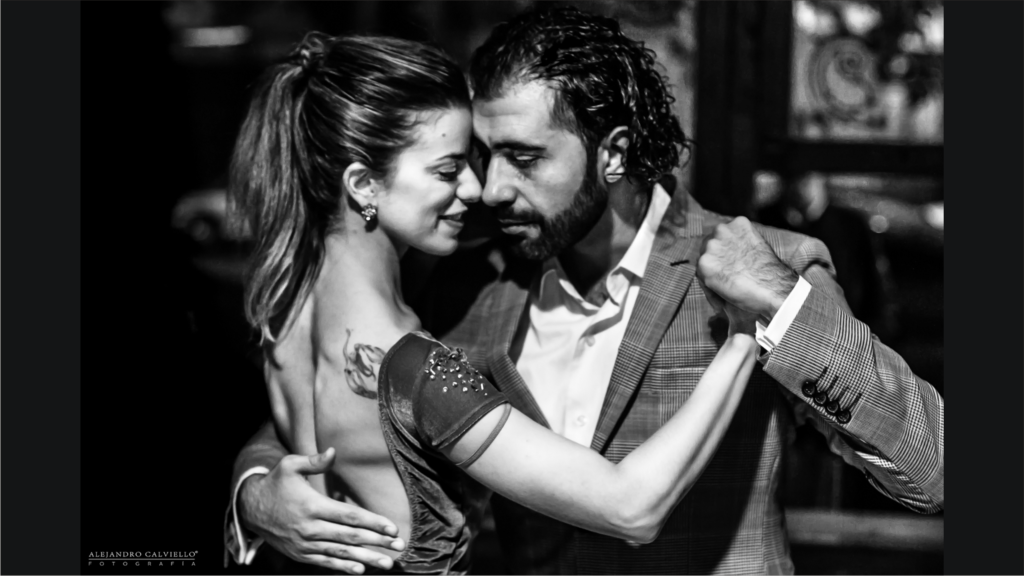
How much time will you have for tango lessons (and practice)
When you decide to start tango classes, you’ll need to consider how much time you’re prepared to dedicate to it. You can measure that in hours, days, months, or years, but it’s good to have an idea. This will allow you to book a program that introduces you to the concepts in a precise order, aligning closely with your progress.
The cost of tango classes
This needs to be proportional to your goals and commitment. As you develop, you could find that you surpass your original goals and set new, more ambitious aims. That might involve reassessing your budget. Fortunately, in Buenos Aires you’ll have plenty of options to find the right teacher at the right price.
You’re picking a learning model
A private tango teacher, group classes, an academy, online lessons, or a combination? You’ll have to pick the model according to your goals and time commitment in order to accomplish your desired level. A balanced mix will probably deliver a wider overview of the dance, giving you better judgment so you can monitor your results along the way.
Credentials, experience, certifications
Of course, the teacher, coach, or instructor has to be able to dance beautifully, but that alone isn’t enough to give them responsibility for your learning process. Coaching skills and teaching should feature prominently on your instructor’s resume, since they are the person who will be judging your progress and adapting the concepts accordingly.
Tango styles
Tango salón, stage, milonguero, canyengue, Villa Urquiza style — some of the most common misconceptions I come across involve styles. Students often need clarification, mainly in the early stages, because some concepts learnt in one tango school aren’t accepted at another. Generally, this means they attended schools that teach different styles. It’s a good idea to be aware of this in advance.
Your coach’s communication skills
Tango is a language, and the communication patterns are reflected in every interaction. That’s why I believe the first emails, calls, and messages speak volumes about the person you’ll be (literally) embracing soon. It’s a good idea to set the number of sessions, venue, price, payment method, and cancellation policy in advance. Crystal-clear agreements will facilitate coordination and prevent misunderstandings.
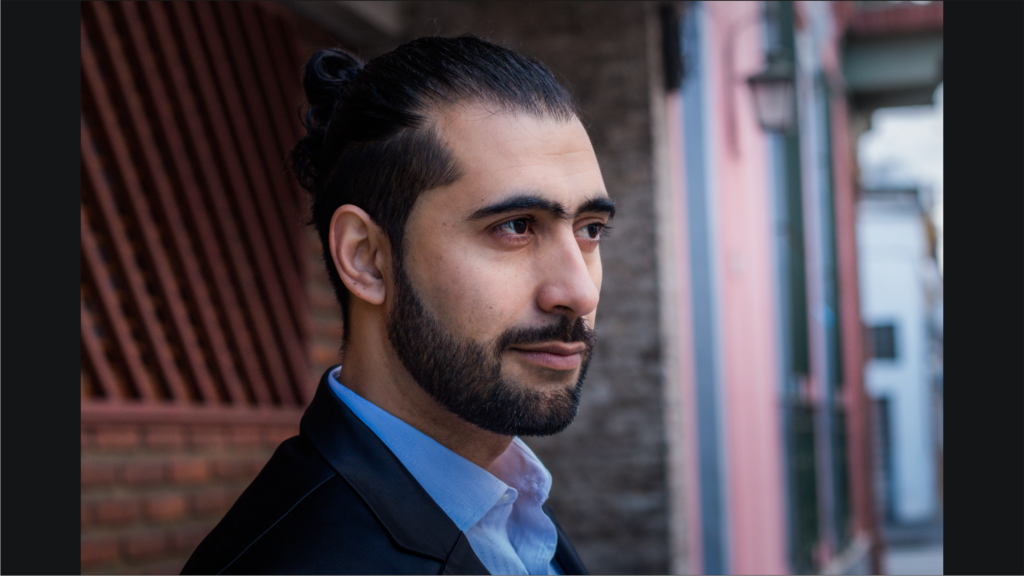
About the author
Adrian Luna is a certified ontological coach, speaker, and social tango dancer. He has been involved in the tango world since 1996. He is the author of “Essay about the art of embracing people: Argentine tango and coaching” (2018). He has given talks and tango workshops in primary schools and at universities, congresses and cultural centers in Argentina, the Netherlands, Croatia, Italy and Australia, among others.
