
 Zoya Ahmer
 This story was produced through the funding of the Pulitzer Center
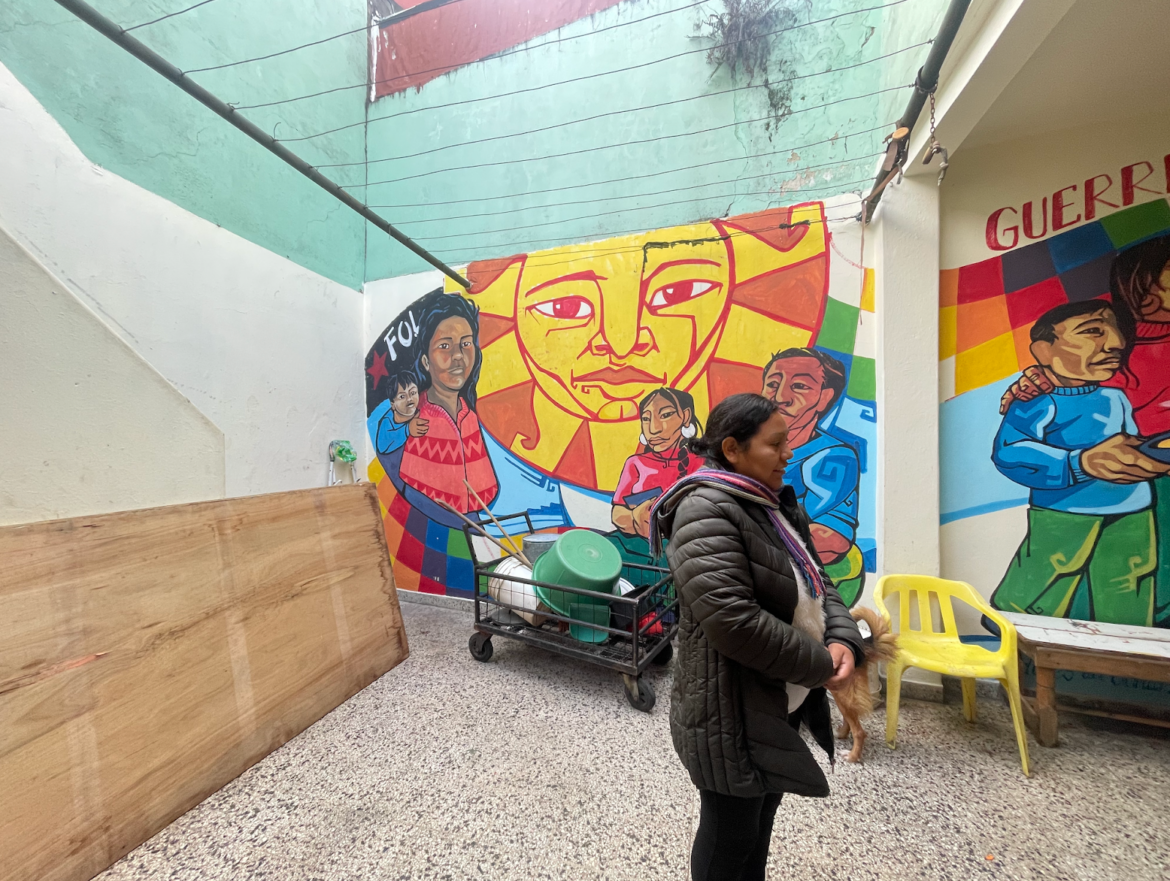
Ana recalled the day her son fell seriously ill, and she needed to take him to the hospital.
“He was 14,” she said in Spanish, her voice breaking slightly. Having immigrated from Peru to Argentina and being unfamiliar with the health system in Buenos Aires, she was unsure what to do when they didn’t attend to him.
“They made us wait five hours, hungry, desperate,” she recalled. After hours of anguish, they still didn’t receive proper help.
On her second visit, she begged the hospital attendants to assist her son. Still, they gave scant information and only a few pills for him to take. She assumed it was a lung virus but later learned it was much more serious than she expected.
“I was told at first that he was just born with a bad lung,” she said.
“So, I checked [his medical records] from every year and told the doctor that I had confirmation that [the illness] was not from birth.”
Ana had to fight to get them to help her son properly.
At that time, Ana lived in a villa, a small, economically disadvantaged area within Buenos Aires City (CABA, for its Spanish initials). Rony, an advocate from Peru who is part of the Bloque de Trabajadorxs Migrantes (Migrant Workers Block), explained that it was cheap to live in but also held risk. Ana added that the place was stigmatized, and since she lived there, those who attended her presumed that most people there had lung problems and tuberculosis because of its conditions.
Peru in Buenos Aires
Walking through some neighborhoods with large numbers of immigrants, such as Abasto, the largest Peruvian community in the city, one can feel the cultural impact. The aroma of ceviche, a classic Peruvian dish of marinated fish, mingles with the welcoming scent of aji de gallina, or chicken stew, as Peruvian restaurants and bustling fruit and vegetable markets drive the neighborhood’s economy.
Despite these vibrant pockets of culture and the draw of tourism, Ana and other Peruvian migrants experience day-to-day discrimination simply because they are Peruvian. Unfortunately, this issue is often overlooked and lacks comprehensive research.

“In Peru, they say, there is more crime. They treat us like criminals. That we are drug traffickers, that we are thieves. Every Peruvian, well, either he is a narco, or he is a chorro [thief],” Ana explained.
The challenges the Peruvian community faces in Buenos Aires signal broader social systemic barriers to accessing essential services that affect many immigrants in Argentina.
The inaccessible accessible systems
Argentina has a free, public, and universal healthcare and education system, offering services to whoever needs them, regardless of residents having social security or the ability to pay.
“For many years now, in theory, access to health care has been easy,” Rory said in Spanish. The opportunity to access treatment in hospitals and public healthcare does not always imply effective use by immigrants, who face hurdles.
Ana’s story is just one of many among the Peruvian migrant community in Buenos Aires, where accessing primary healthcare is often an ordeal fraught with discrimination and neglect. The issue has become even more problematic with current Argentine President Javier Milei’s government.
In fact, the government in Salta province began to charge non-resident foreigners for health care, an unconstitutional move permitted due to the declared economic emergency in the province. As a result, the number of foreigners attending Salta hospitals has dropped by more than 80%.
Alarmingly, other provinces and even the country could soon follow suit, as in June, the Argentine Senate approved Milei’s controversial Ley Bases, granting the president extraordinary legislative powers in four different areas for one year by declaring a similar “public emergency.” Milei’s aversion to immigrants is apparent and terrifying, with the original draft of the Ley Bases including a section that would charge international students to attend public and free universities in Argentina.
Challenges with the identification card
As for the current situation in Buenos Aires, Rony noted that he had not heard any cases in which they were charging foreigners, but did know that in some instances “certain restrictions” had been placed.
Sometimes, in order to get medical attention, they ask Argentine citizens and temporary and permanent residents for the Argentine identification card (DNI, for its Spanish initials). This is not legally required and creates challenges. Although it is easier for a foreigner to obtain the DNI than in the past, it’s still not easy.
Before Patria Grande, an initiative enacted in 2006 to grant legal resident status to immigrants from MERCOSUR member states (including observer states such as Peru), obtaining a DNI, the door to health and education, was almost impossible.

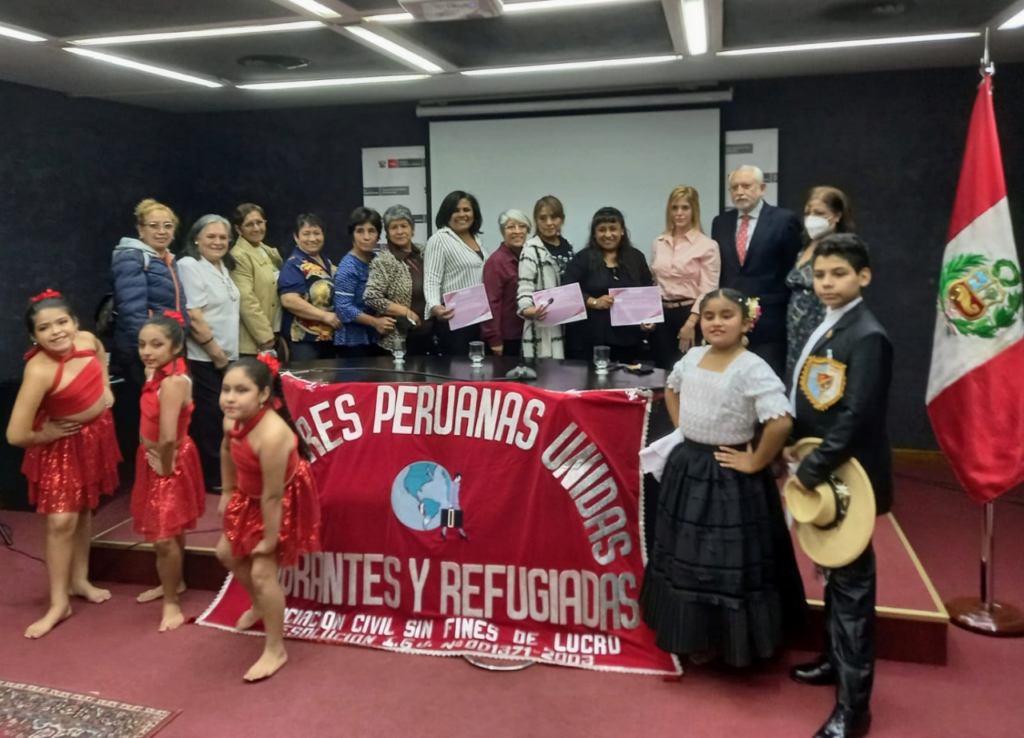
Because of this, social activist Lourdes, along with other leaders and associations from various communities, created MPUMR to help Peruvian or migrant women secure a DNI. They created the Association of United Migrant and Refugee Peruvian Women (MPUMR, for its Spanish initials) in Buenos Aires to assist people in the same situation.
“There were people who at that time could not enroll their children or be treated in hospitals because they did not have the DNI,” Lourdes said, speaking in Spanish as she recalled her determination and frustration.
“We protested, and we managed to get it done, to change the law, and indeed, they said that we could obtain the DNI through a program called Patria Grande.”
Her organization helped settle around 9,000 immigrants in Argentina. Still, Lourdes acknowledges that discrimination and challenges persist for Peruvian migrants in other forms.
Pilar and Margarita, two coordinators with the Centro de Integración para Migrantes y Refugiados de CABA (Buenos Aires City Center for Migrants and Refugees), work with immigrants facing high vulnerability to secure documentation and access to healthcare, education, and housing.
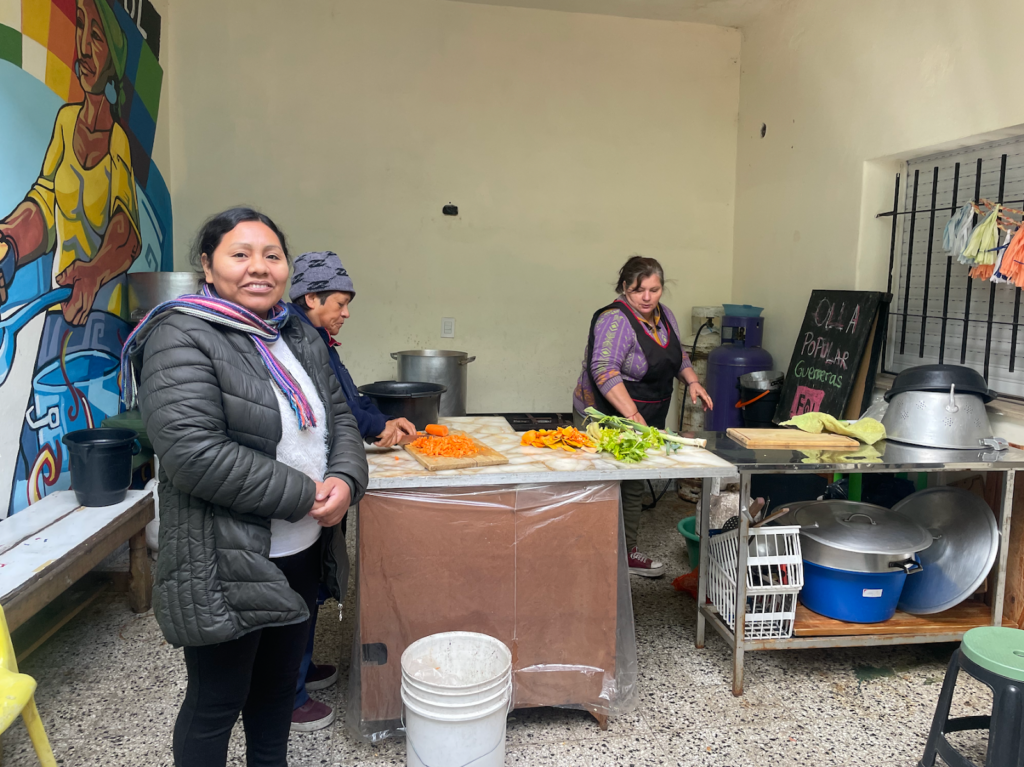
Getting a DNI is not as easy as it’s painted to be. Currently, new applicants must start the procedures online, and those without access to technology must rely on intermediates that charge for services. Also, until 2011, the migration office didn’t have the infrastructure to handle the increasing number of applications, further expanding the role of expensive intermediates. Ana, who helps with these applications as a coordinator at the advocacy organization Frente de Organizaciones en Lucha (Battling Organizations Front), describes it as a process with a lot of bureaucracy and extremely difficult to complete without help.
Milei’s anti-immigrant rhetoric
Fostered through immigrant bias and challenges within the government system, prejudice is prevalent in Argentine society, exacerbated by Milei’s rhetoric. Ana shares her experiences with discrimination, including being denied work.
“Once, I wanted to work as a nanny. When they saw I was Peruvian, they said no. They said they couldn’t leave their daughter alone with a Peruvian.”
Her frustration is palpable. “Even with good references, they didn’t trust me because of my nationality… And they also saw the place where I lived, which was the villa. So, the villa is also a reference that establishes us as criminals. Poor or migrant people are seen as criminals.”
For Ana, the new administration has only worsened the situation. “Those who discriminated against us before now do it with more enthusiasm, with more fury, with more hatred.”
Even though Argentina has welcomed migrants for years and has had favorable migration regulations, there is a persistent myth that migrants use and abuse public resources. By fabricating data and operations to back his position, Milei creates an “internal enemy” of migrants, according to numerous Argentina journalists who have fact checked his speeches and data.
With his new legal powers, Milei recently signed a decree that immensely increased the cost of immigration fees, yet another obstacle to immigration in Argentina. Laws are already changing and becoming more burdensome for migrants, which will no doubt continue.
Despite everything, Ana is committed to defending the country that opened its arms to her.
“I consider myself a part of Argentina; I will defend this country even with my life,” she exclaims. Nely, a Peruvian compañera of Ana at FOL, adds that she will continue fighting on the streets for her organization and her and her children’s future in the country they call home.
“I have my children who are Argentines, so I am going to fight for my children and Argentina.
The Peruvian migrant community remains spirited. Amidst the challenges lies hope and resilience used to continue advocating and fighting together.
*The author has translated all of the quotes from Spanish to English and uses only first names to maintain privacy.
Cover photo by Zoya Ahmer
