
 Buenos Aires Herald
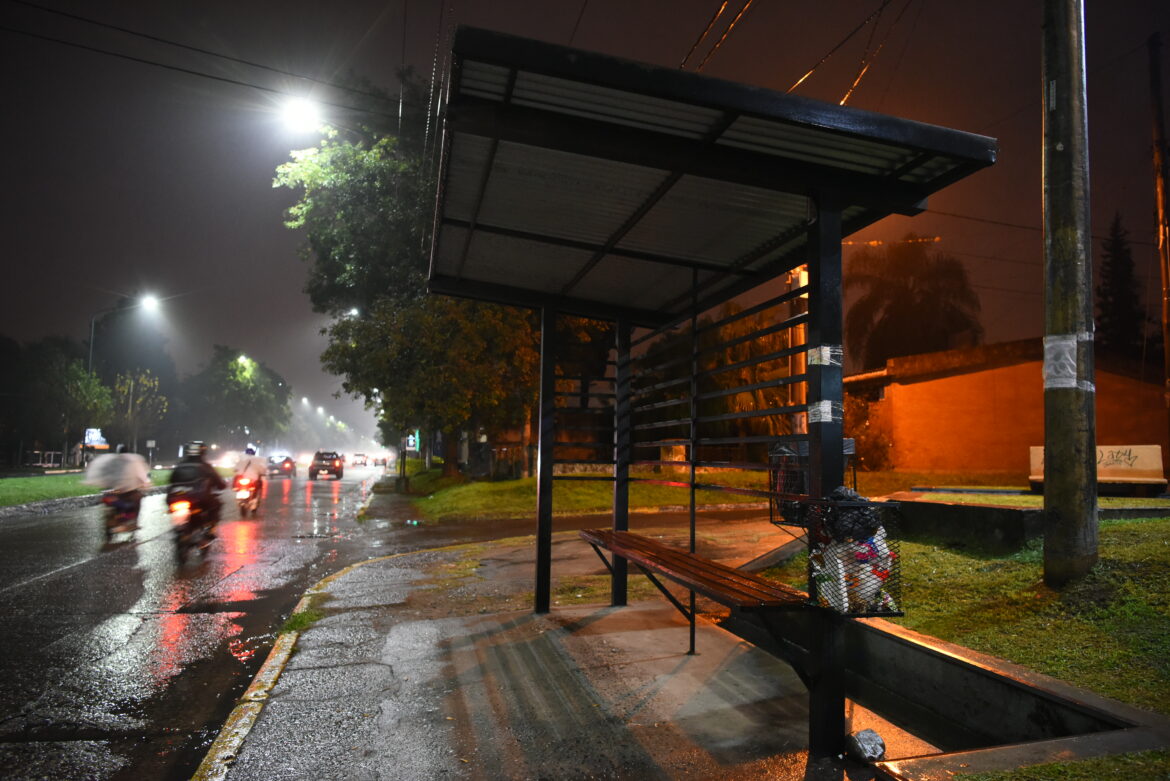
A 24-hour long distance and inner city bus strike that began Friday at midnight is currently underway in Greater Buenos Aires, as well as six provinces and La Plata. The strike was called by the Automobile and Tram Union (UTA, by its Spanish acronym) in response to bus companies failing to pay what they said were “agreed upon salary raises,” according to a press release. The five provinces affected are Corrientes, Entre Ríos, Santa Fe, Formosa, Misiones and Tucumán.
“We have verified that certain companies [in these locations] have failed [to pay raises]. Workers will proceed to halt their duties for companies that have not complied with the salary increase,” said the UTA in the statement. In provinces where companies have paid wage increases, bus services function normally
“We will not allow monopolistic groups to pressure the national government for more economic resources, call on them to discuss these issues in the appropriate settings, and refrain from taking workers and bus users hostage of their sectoral demands,” the statement said. The UTA demanded authorities enforce current regulations to avoid further harm for users.
Public transportation in Greater Buenos Aires was complicated even more due to a surprise 4.30 a.m. strike on the Sarmiento train line, which connects BA city with the western Buenos Aires metropolitan area. The strike ended at around 9.30 a.m. after the Labor ministry called the train line company’s authorities in for an 11 a.m. meeting.
In response to this situation, the BA city government announced that on Friday commuters in private vehicles entering the city will not be charged a toll; paid street parking will not be enforced and the city run biking system will be free.
Labor minister Raquel “Kelly” Olmos addressed the situation in an interview, saying that once raises for bus drivers were agreed upon, the government gave subsidies to the companies so they could pay for these increases, but that they haven’t done so yet. Olmos said the strike really is a “management lockout,” and hinted that the government could file complaints against bus companies for “wrongful retainment of subsidies that belong to workers.”
“The companies say that they have larger expenses in other areas, and because of that they are keeping workers hostage. Now, [workers] are striking,” said Olmos to Splendid-AM 990 radio station.
-with information from Télam
