
 Buenos Aires Herald
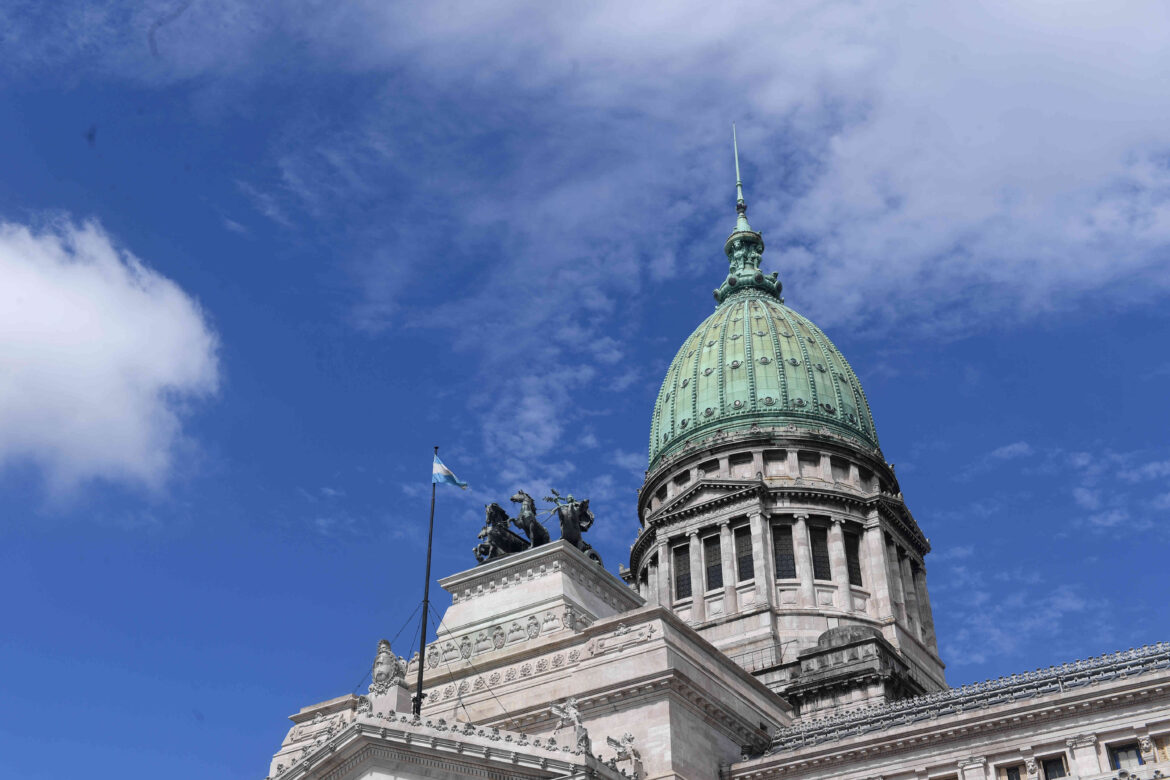
The Argentine government has officially called for extraordinary Congress sessions on January 20 to debate several bills including an anti-graft proposal whose first iteration fell through in November. The Milei administration also wants to debate its two nominees for the Supreme Court, Ariel Lijo and Manuel García Mansilla.
Presidential spokesman Manuel Adorni said in an X post on Friday that Congress will also debate the abolition of mandatory primary elections, another hot-button issue. A so-called anti-mafia bill, a modification of the penal code, and a bill regulating companies’ bankruptcies are the other bills the administration aims to pass.
The extraordinary sessions are scheduled to end on February 21.
The goverment had already tried calling for extraordinary sessions last last year, but eventually decided against it. Early in December, the administration made the announcement and floated the idea, but eventually didn’t an official call and squashed the idea due to what it called a “lack of consensus.”
The anti-corruption bill is among the most controversial topics to be discussed in the sessions. In November, the PRO-backed anti-corruption initiative known as Ficha Limpia (Clean Record) failed to reach a quorum in the Lower House, with government lawmakers among those absent. The government announced then it would file a new version of the anti-graft bill to Congress, after an angry backlash by PRO deputies amid rumors that the Milei administration had struck a deal with the Peronist opposition to tank that session.
If approved, the Ficha Limpia bill would prevent people convicted of corruption by two separate courts from running for office. The most obvious consequence of the passing of this bill would be the barring of Cristina Kirchner from electoral politics.
The government also aims to discuss the elimination of the mandatory primary elections, known in Argentina by their acronym PASO and established in 2009. Chief of Staff Guillermo Francos said they cost “US$150 million” and called them “a ridiculous expense, a bad use of State funds and this has to be changed.” “If we are serious, we have to change the system,” he said in an interview with Radio Mitre.
Opposition deputies questioned the call for extraordinary sessions, saying the government wants to avoid debating the 2025 national budget. In December, Milei decreed that the 2023 national budget would be renewed for an unprecedented second time. This means that he will govern in 2025 using the same budget as in the final year of Alberto Fernández’s government after Milei’s budget proposal failed to pass in Congress.
Since the president is allowed to make changes to the extended budget, the government has more flexibility to decide on expenses if it does not pass a budget bill for the ongoing year.
“Milei’s government wants to call for extraordinary sessions in Congress to deal with issues of the caste and political jabs, ignoring the problems of the people,” Unión por la Patria deputy Leopoldo Moureau said in a post on X.
“They want to discuss whether or not to eliminate the PASO — we want to debate the 2025 budget because society wants to know how much will be invested (if anything) in health, education, public works, the retirement system, medicines for critical diseases, science and technology, transfers to the provinces and national universities,” he added.
