
 Buenos Aires Herald
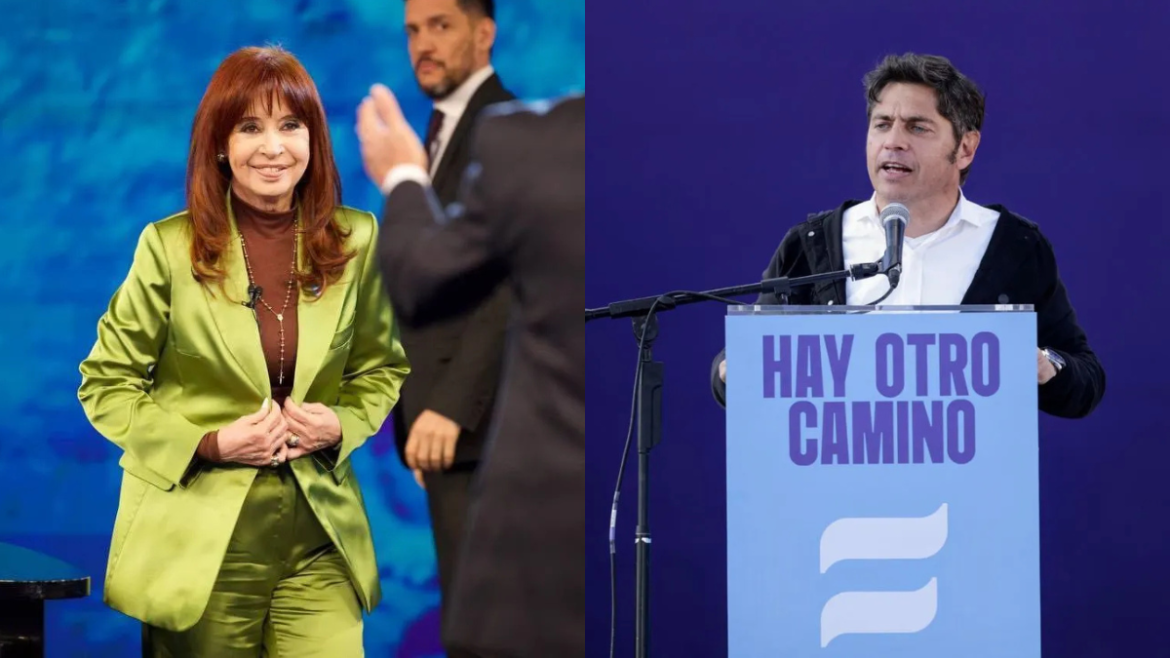
The confirmation of former President Cristina Kirchner’s candidacy has accelerated contacts with Buenos Aires Province Governor Axel Kicillof. Following a phone call on Tuesday, the pair met on Thursday afternoon and agreed to form a working committee in preparation for the September and October elections.
Sources close to Kicillof told the Herald’s sister title Ámbito that the group will include representatives from various factions in an effort to build a strategy that leads to joint electoral lists. While no specific names are on the table yet, direct representatives from each political figure are expected to participate.
The committee will aim to outline a shared roadmap that helps organize candidacies, proposals, and relationships with other Peronist actors, in line with Unión por la Patria’s goals to unify behind a single list to compete against La Libertad Avanza and PRO.
“It was a long meeting,” said a source familiar with the encounter. “They were alone, in a respectful and cordial atmosphere, but without the former warmth.”
The formation of the working group does not mean both camps have sealed a unified front for the elections. Sources close to both leaders warn that there are still differences over their programs and electoral strategy, and that this is only the beginning of a possible agreement.
After months of silence, the former president and the governor resumed communication twice this week. First, with a 20-minute phone call on Tuesday, during which they spoke amicably and agreed to meet in person. Then came Thursday’s meeting.
Understanding the dispute between CFK and Kicillof
The differences between CFK and Kicillof became public last year during an internal dispute with La Rioja Governor Ricardo Quintela over leadership of the Justicialist Party. At the time, the Instituto Patria think tank, which was founded by Cristina Kirchner, criticized the governor’s lack of public support for her candidacy. By the end of 2024, the rift between Kirchnerism and Kicillof’s camp deepened when the Kirchnerist faction refused to approve the provincial budget in the legislature.
The internal division continued into this year due to the governor’s decision to split the provincial elections from the national ones. Recently, in an interview with C5N, the former president publicly criticized this move — but stated that “collaboration is necessary,” and therefore, she will run as a legislative candidate for the Buenos Aires Province’s Third Electoral Section.
Recently, Kicillof has positioned himself as one of the main organizers of Buenos Aires Peronism. He relaunched his political group, the Right to the Future movement (or MDF, by its Spanish initials), through which he seeks to strengthen his territorial leadership without severing ties with Kirchnerism. The group brings together mayors, union leaders, and grassroots figures.
Kicillof is currently serving his second and final term as Buenos Aires governor, having risen under the wing of Cristina Kirchner. He holds legitimate aspirations to become the national leader of Peronism and run for president in 2027. He is trying to avoid becoming another Alberto Fernández — a product of the 2019 consensus model of unity who ended up without real authority or an independent strategy.
Cristina remains the Peronist leader with the broadest electoral support and popular representation. Although no longer in public office, she leads the national Justicialist Party (PJ) and seeks to coordinate a national electoral strategy, aiming to position her faction as the true alternative to Javier Milei’s government.
The key question now is whether Peronist leadership can be defined by consensus or will be settled through open electoral conflict — as happened in 2005 between Néstor Kirchner and Eduardo Duhalde, when then-President Kirchner put forward Cristina as the candidate in Buenos Aires Province to challenge Hilda “Chiche” Duhalde and settle the leadership dispute within Peronism.
