
 Liliana Franco
 Those who know President Javier Milei well say that handing over the more than 129 companies in which their is some form of state involvement to private ownership is a priority. Because of this, the government is working on the documents required to open air cargo company Intercargo to privatization bids. They hope to have them ready before the end of the year, official sources told Herald sister publication Ámbito.
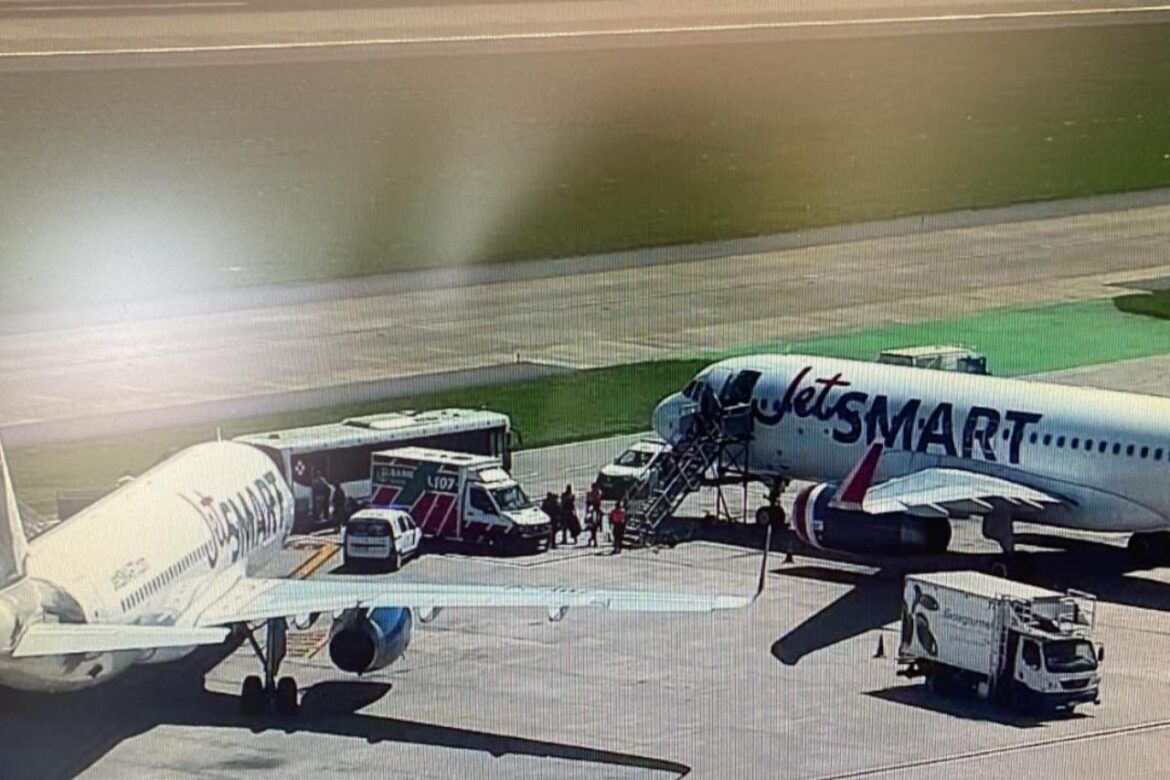
Intercargo is the cargo company currently providing ramp-operation services and passenger transportation in 21 major airports in Argentina. It handles aircraft towing, ground signaling before takeoff and landing, moving passengers to and from an aircraft, baggage handling, supplying drinking water and power, as well as bathroom cleaning, among other functions.
Authorities are studying what is the best model to transfer this service to private owners. An international tender process is expected, and one of the possibilities is that the entire company will be sold. However, it is more likely that it will be split up, with bids depending on how lucrative each business unit is.
Official data from the first semester of 2024 shows that Intercargo had 1,580 employees. According to fact-checking site Chequeado, last year the company had a financial surplus of AR$1,2 billion (approximately US$1,1 million at the MEP rate) and of AR$9,6 billion (US$8,9 million) by the end of June 2024.
The case of Aerolíneas Argentinas
The flag carrier is one of the most difficult to privatize, according to government officials.
Although unions agreed to cut workers’ benefits, critics say that unions merely “managed to make it through the summer” with what they say are “marginal concessions that do not solve the basic problem.”
Likewise, unions continue fighting privatization and make a point of showing their struggle to passengers. In the buses that carry them to the aircraft, for instance, there are posters criticizing Deregulation Minister Federico Sturzenegger amid appeals to “national sovereignty by defending Aerolíneas Argentinas.”
However, Milei is determined that the airline be privatized.
One of the problems is that uncertainty about the future of the company is likely to affect its results. In Uruguay, for example, the sale of Aerolíneas Argentinas tickets “totally collapsed” due to the company conflicts. The Uruguayan Association of Travel Agencies (Audavi, for its Spanish initials) advises its customers not to buy tickets in the midst of the current uncertainty.
Utility company AYSA
Water provider Argentine Water and Sanitation (AYSA, for its Spanish initials) is another company that the government intends to transfer to private hands in the near future.
“There are people interested in taking over the operation,” official sources told Ámbito.
They pointed out that the problem is more “political than economic,” given that AYSA provides services in the Buenos Aires suburbs, where Kirchnerism has a strong political presence.
In any case, they indicated that President Milei intends to resolve the situation because “it is not fair that all Argentines subsidize consumers in Greater Buenos Aires.”
