
 Facundo Iglesia
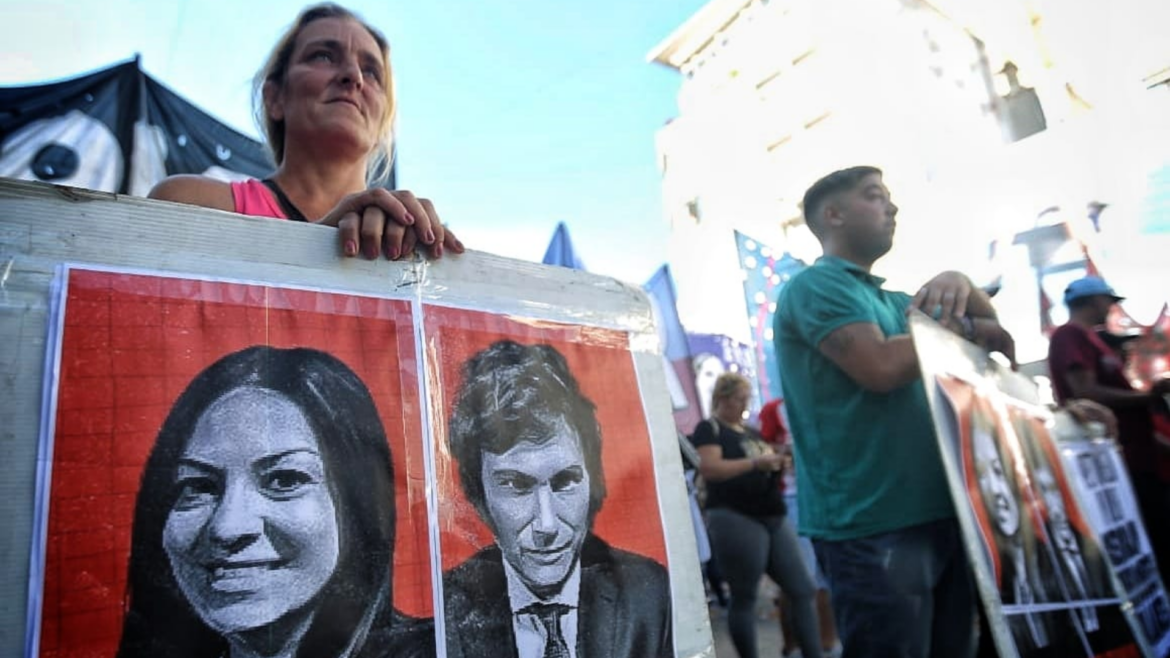
Argentina President Javier Milei has issued a new presidential decree with further prevention measures to stop people in the country from striking or piqueting.
In a decree issued on Wednesday, Milei listed more workers to be considered “essential,” meaning that at least 75% of their workforce should be available, even during strikes. The new activities include education, telecommunications, and customs services.
The decree also created a new category, “transcendental services,” for which 50% of the service has to be guaranteed during strikes. Those are medication production, land and underground transportation, radio and television services, industrial activities, food manufacturing, and a flurry of activities including banking, production of goods and services intended for export, and others.
The decision was hidden in an unrelated decree, the 340/2025, which deals with a modification of the regime for the merchant navy.
The country’s main trade union federation, the CGT, announced it would file a legal complaint against the government, claiming that the decree “attempts to suppress the right to strike in Argentina with the stroke of a pen and without prior debate or analysis.”
“In practice, this decision is tantamount to restricting the constitutional right to strike of millions of workers,” a communiqué by the CGT said.
Javier Milei’s administration had already tried to do this on two occasions before. The first, in a “mega-decree”, where the labor chapter was stopped in a court. The second, in its so-called Bases Bill. However, after negotiations with the opposition, the articles severing the right to strike were taken down from the approved bill.
The decree arrives in a week where in Argentina’s southernmost province, Tierra del Fuego, unions staged a 24-hour protest against Milei’s decision to lower and eventually eliminate import tariffs on cellphones and other electronics. Some of the countries’ top electronics manufacturers are based there.
