
 Buenos Aires Herald
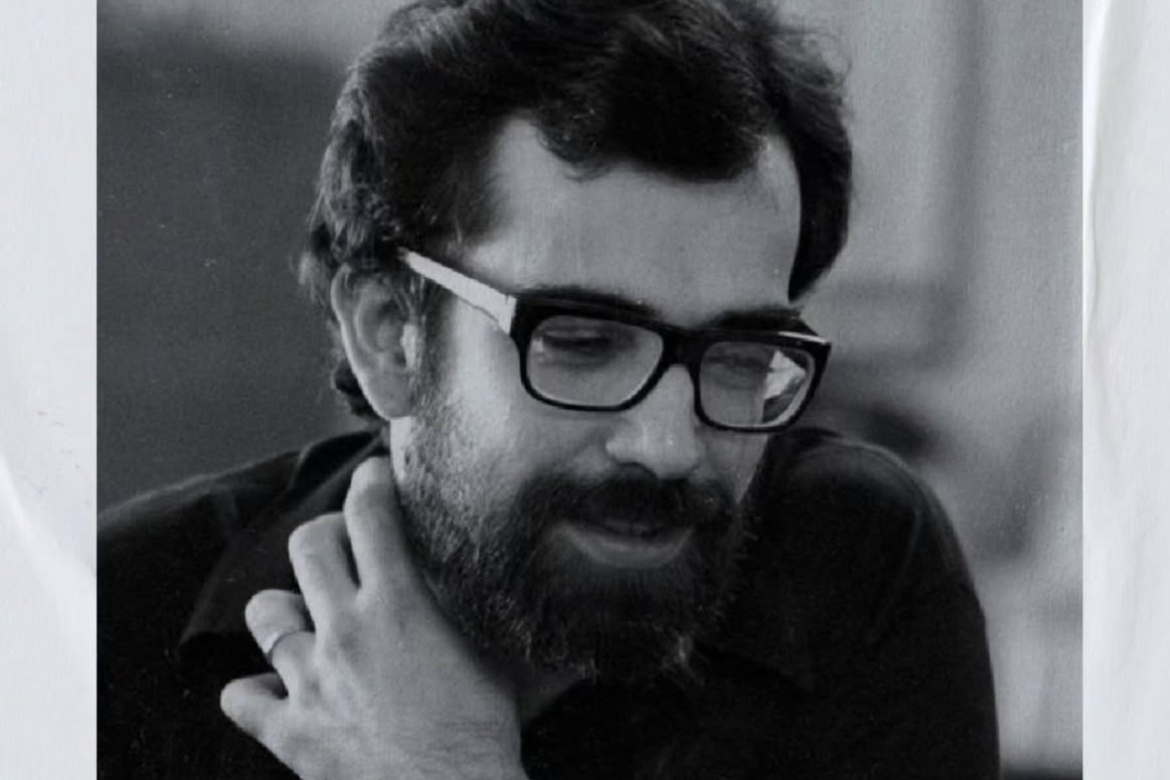
Brazilian pianist Francisco Tenório Cerqueira Júnior arrived in Buenos Aires in March 1976, just days before the military coup that would go on to disappear more than 30,000 people. A renowned samba-jazz musician, he was set to play a series of concerts with the band of celebrated poet and musician Vinicius de Moraes and singer-songwriter Toquinho.
On the evening of March 18, a few days before the coup, the 35 year-old stepped out of his downtown hotel reportedly to buy cigarettes, only to disappear forever.
Forty-nine years later, the Argentine Team of Forensic Anthropology (EAAF, in Spanish) has positively identified his remains via fingerprints. They also confirmed that his bullet-ridden body was originally buried in an unmarked grave at the Benavídez cemetery in Buenos Aires province.
Who was Cerqueira Júnior
Born in Río de Janeiro, Tenório, popularly known as Tenorinho, was a fixture of Copacabana, the cradle of Brazilian music. He was also a member of Os Cobras, a highly respected instrumental band of the time. The night he disappeared, the pianist had just played a show with Toquinho and de Moraes, the lyricist behind bossa nova classic The Girl from Ipanema.
Despite his untimely end, Tenório’s place in Brazilian music has not gone unnoticed in Brazil. In 2023, a graphic novel and an animated film, both entitled They Shot the Piano Player, by Oscar-winning Spanish director Fernando Trueba and illustrator Javier Mariscal, covered his prominent career and disappearance.
Tenório’s body was found just two days after his disappearance, although authorities failed to identify him. On March 20, a man’s body was found in a vacant lot in the Tigre district. Police opened an investigation file, took fingerprints, and performed an autopsy. The report concluded that the person had been shot multiple times.
A couple of years ago, the Prosecution’s Office for crimes against humanity analyzed the case, as part of their ongoing effort to review cold cases involving bodies found between 1975 and 1983. These cases are investigated in order to determine whether they were victims of state terrorism, who are still reported as desaparecidos.
Based on that file and the EAAF investigation, the fingerprints from the 1976 file were compared with those of Tenório in Brazil, thus identifying the pianist and confirming his fate.
“We received the news of the identification of our father’s body with surprise, of course, and with a mixture of relief and sadness,” three of his five children wrote in a statement.
“Relief because, finally, we can know with certainty what happened to him. In a way, we will be closer now. Sadness, at the confirmation that Tenório was a victim of violence, and buried as an unknown person.”
A victim of Operation Condor?
Tenório’s case is actually mentioned in the sentence against Argentine dictator Jorge Rafael Videla and other military members in the Operation Condor trial. The military plan was hatched as a coordinated effort between the Latin American dictatorship to kidnap dissidents across the region.
The sentence includes testimony from Argentine journalist and investigator Stella Calloni, who wrote several books on Operation Condor. In court, she said that she learned Tenório had been tortured at the ESMA death camp. Calloni speculated that Tenório had been kidnapped by mistake and then killed to cover-up the crime.
“We still want and need answers. Who killed Tenório? Why? Why kill a man with no political involvement, who lived only for music? For years and years, we’ve heard versions and stories that are now revealed to be false,” read the statement by Tenório’s children.
“A new investigation is needed, in the name of memory, which cannot be lost. We hope that, this time, the authorities can tell us what happened. The pain will never go away, but justice can bring solace.”
