
 Estefanía Pozzo
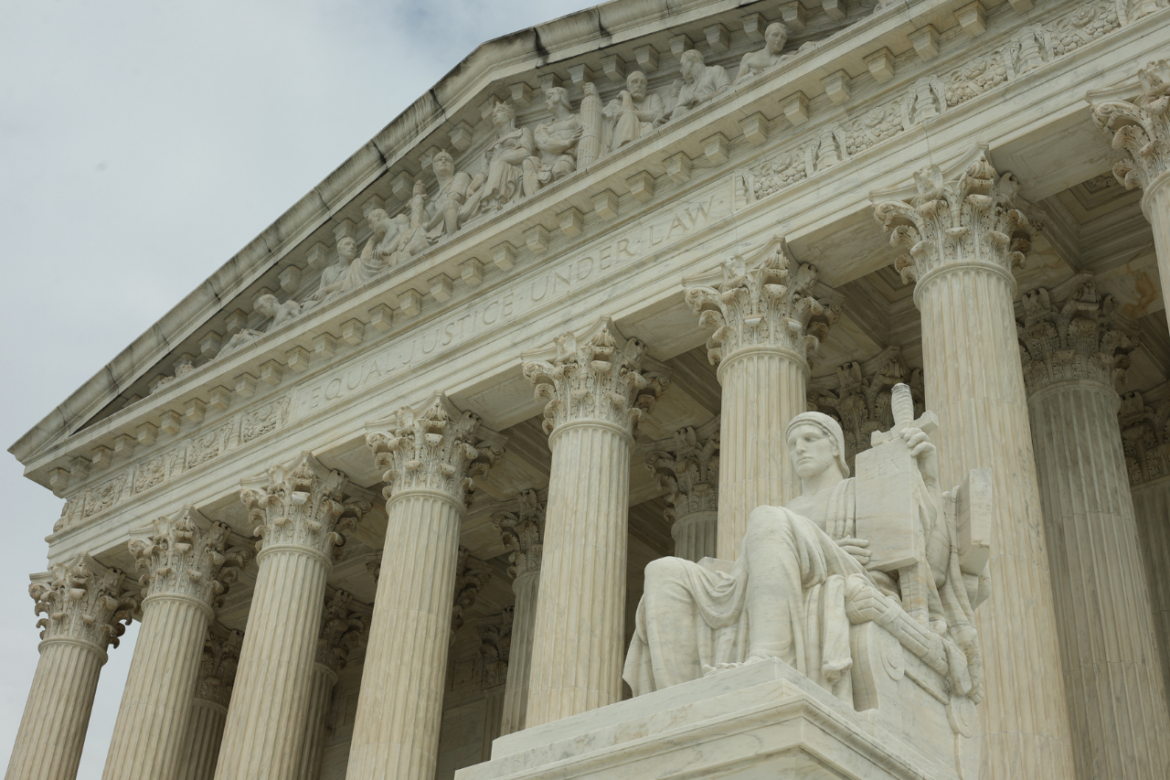
The United States Supreme Court upheld the seizure of assets worth around US$300 million held by Argentina at the Federal Reserve, a new judicial win for holdout investment funds with sovereign bonds that defaulted in 2001. It’s the latest setback for Argentina in a lawsuit brought on by multiple funds that rejected all three debt swaps the country offered (2006, 2010, and 2016) and have continued to litigate.
In a writ of certiorari filed in December 2024, Argentina petitioned the Supreme Court to review prior rulings that embargoed the account in the Central Bank’s name — the court declined. The country claimed that U.S. sovereign immunity law should protect those assets from creditors. Since March 2023, the account in question held money that remained after the maturity of some U.S. Treasury bonds Argentina had received as a guarantee under the Brady Plan. According to private estimates, the amount could be around US$300 million.
The context behind Monday’s decision goes back to the 1980s. A debt crisis sweeping Latin America at the time led the U.S. government to intercede since the region’s main creditors were U.S. banks. Secretary of the Treasury Nicholas F. Brady developed a plan in which, in order to avoid a massive crisis and the bankruptcy of his country’s banks, he approved the restructuring of the debt of Latin American countries by guaranteeing those securities — called Brady Bonds — with bonds issued by the US Treasury. Thus, U.S. banks agreed to restructure the liabilities of Latin American countries because they were backed by U.S. securities.
The contract for issuing the Treasury bonds used as collateral stipulated that if a country defaulted on its obligations, the U.S. bond would be executed to pay the maturity. If, at the time of total debt cancellation, the country had used fewer Treasury bonds than had been issued as backing, i.e., had a balance in favor, this balance was automatically deposited as an asset of the country in question.
Why is all this context essential to understanding the Supreme Court’s decision? Monday’s decision marks the achievement by investment funds Attestor Master Value, Trinity Investments, White Hawthorne, Bison Bee LLC, and Bybrook Capital Master to seize the remaining money that Argentina had received in March 2023 after the Brady bonds matured.
U.S. courts have already ruled twice in favor of the investment funds: first, Judge Loretta Preska of the Southern District Court of New York and then Judge Debra Ann Livingston of the Second Circuit Court of Appeals of the same city. The plaintiffs had purchased defaulted debt from Argentina in the secondary market and had not entered swaps and agreements offered by the country in 2005, 2010, and 2016. It is estimated that they represent 3% of the total number of bondholders.
Are other Argentine assets in danger?
A source who asked not to be identified told the Herald that the U.S. Supreme Court decision does not affect the risk of the seizure of Argentine assets.
The Supreme Court contended that sovereign immunity law could not protect the money deposited in the Federal Reserve account. In fact, the money meets two requirements for being a seizable asset: it was deposited in the United States, and it can be proven that it was destined for the country’s commercial activity, in this case, the payment of financial obligations.
Regarding sovereign immunity, although the account is in the name of Argentina’s Central Bank, the U.S. courts ruled that the Argentine government was the ultimate beneficiary of the money produced from the bonds.
The Herald contacted the Argentine Central Bank, the Economy Ministry, and the Treasury Attorney’s Office — at press time, no government official or agency responded to requests for comment.
