
 Facundo Iglesia
Prices in Argentina went up by 3.7% in March, the highest monthly increase since August 2024.
It’s the second consecutive rise in the monthly figure: after trending downward throughout 2024, February inflation had risen very slightly, from 2.2% to 2.4%.
The Economy Ministry attributed the March increase to seasonal factors and highlighted that the annual figure had fallen again, from 66.9% to 55.9%.
Analysts acknowledged seasonal drivers, but also pointed to market uncertainty over Argentina’s imminent deal with the International Monetary Fund (IMF): the numbers were released just hours before the international lender is due to announce a new US$20 billion loan to the country.
Prices rose by 8.6% in the first quarter of 2025.
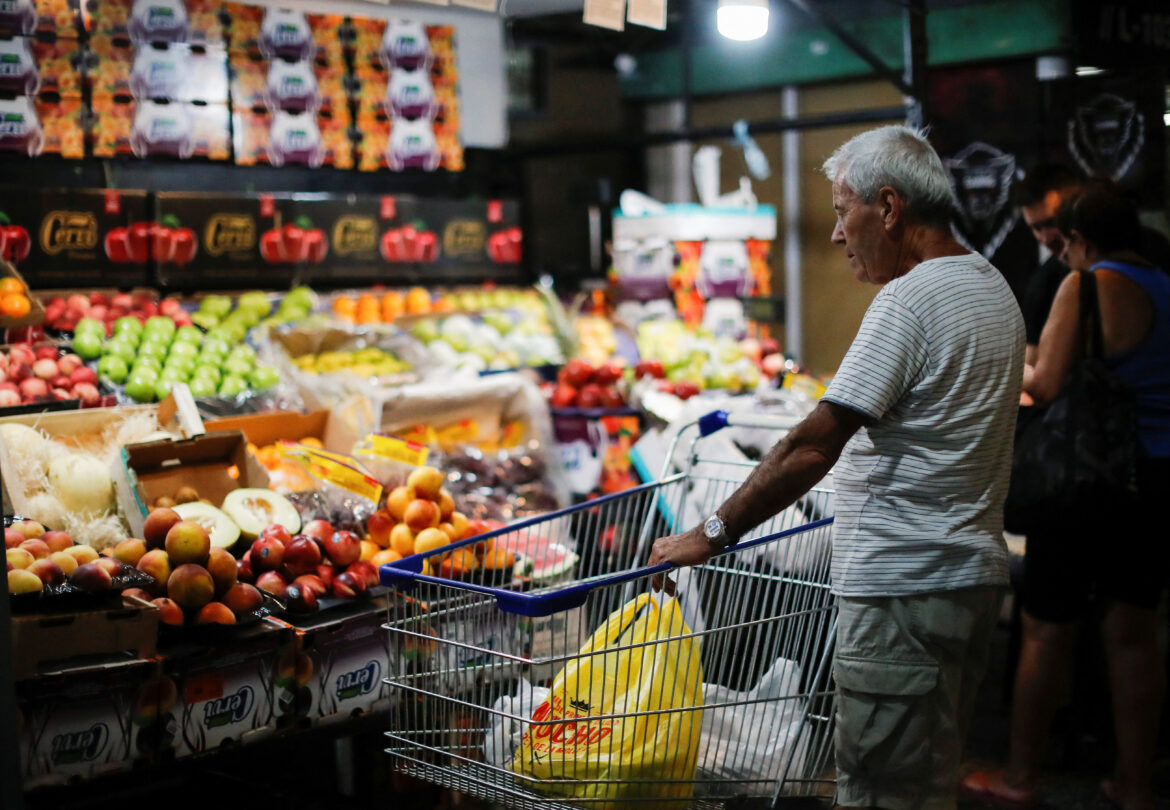
March’s figure was driven by the food and non-alcoholic drinks category (+5.9%), its largest rise in 11 months. The education category rose the most (+21.6%), a seasonal hike due to the start of the school year.
Financial analysts and entities surveyed in late March by Argentina’s Central Bank expected a 2.6% monthly inflation rate, more than one percentage point lower than the true figure.
Sebastián Menescaldi, associate director of EcoGo consultancy, said hikes in food, education, and clothing were seasonal, with shortages of some vegetables due to floods. However, he said that a “structural” factor pushed prices upward: “the de-anchored expectations for the second quarter, which began to impact prices in the economy.”
“I think that’s what explains the general increase in prices, which was much higher than [the market] expected this month,” he added. Menescaldi thinks market uncertainty started in March, when Economy Minister Luis Caputo gave an interview in which he failed to confirm whether the “crawling peg” exchange rate regime, which involves devaluing the peso by 1% monthly, would remain in place after the IMF deal was struck.
“I believe that this is going to be finally known when there is an agreement with the Fund and the new exchange rate scheme is known,” he added. “Moving forward, we have to wait for the impact of the devaluation,” he said, referring to the anticipated new scheme.
Market uncertainty continued throughout the day. The Central Bank was forced to sell US$398 million in the official market on Friday, the highest since March 14.
The Economy Ministry said in a statement that the 3.7% figure “was the lowest for a March since 2020” and the annual figure meant “the eleventh month-on-month deceleration when compared to the same month of the previous year.” The ministry also celebrated that yearly inflation was the lowest since March 2022.
