
 Buenos Aires Herald
Argentine President Javier Milei deregulated the mail service through a decree published in the Official Gazette on Monday. This will eliminate all norms that restricted local and international companies from entering the Argentine mail market.
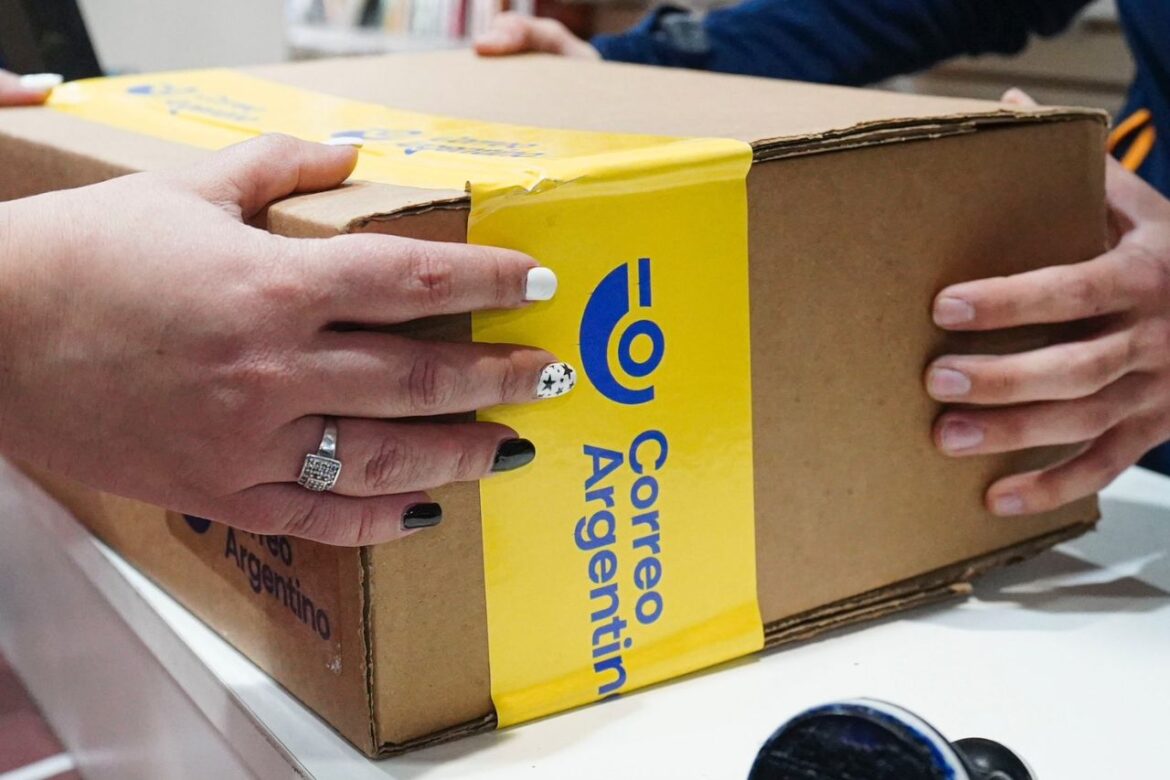
The decree eliminates the exclusivity public mail company Correo Argentino had over some services, such as certain kinds of official notifications, recorded-delivery mail, and packages of up to 50 kilograms. The new regulations allow this kind of document to be sent digitally, and for the recipient’s identity to be checked virtually.
Any company wishing to register as a mail service provider can now register to do so via an online procedure, and will automatically be allowed to start operating five days later.
The government aims to promote competition in the sector, make it easier for users to access these services, and eliminate bureaucracy, it said Monday.
“Excessive regulation of the postal service has created barriers to entering the market, restricting competition, which leads to a lower quality service and higher prices,” the authorities wrote in a release.
The move, product of a deregulation ministry decision, “eliminates all vestiges of mail predominance and exclusivity given to public mail companies” over these services.
Presidential spokesperson Manuel Adorni announced the decision to deregulate the mail service in an X post on Sunday. “With this measure we will achieve more competition, more digitalization and more security in the mail service,” he wrote.
Correo Argentino was included in a list of companies Milei wanted to privatize via his Ley Bases deregulation law earlier this year, but Congress removed it from the list.
Argentina privatized its postal service in 1997 under the presidency of Carlos Menem, whom Milei admires. Menem sold Correo Argentino to SOCMA, a company owned by Franco Macri, father of former President Mauricio Macri. SOCMA accumulated a large debt with the Argentine state, and Correo Argentino was ultimately re-nationalized in 2003 under Néstor Kirchner’s government.
