

 Amy Booth
 Tiny Aruba is a Caribbean island off the coast of Venezuela. Known for its long stretches of sugary-white sand and crystalline waters, it’s no surprise that tourists from the United States and Canada have long viewed it as an idyllic beach destination, with Latin Americans joining them in growing numbers.
More unusual is the fact that Argentina became Aruba’s largest tourist market in Latin America in August, with visitor numbers more than doubling. As more Argentines seek out the island’s award-winning beaches and international melting-pot cuisine, the Herald spoke to Jordan Schlipken Croes, director of the Aruba Tourism Authority for Latin America, to understand why.
The interview has been lightly edited for length and clarity.

Why do people go on holiday to Aruba?
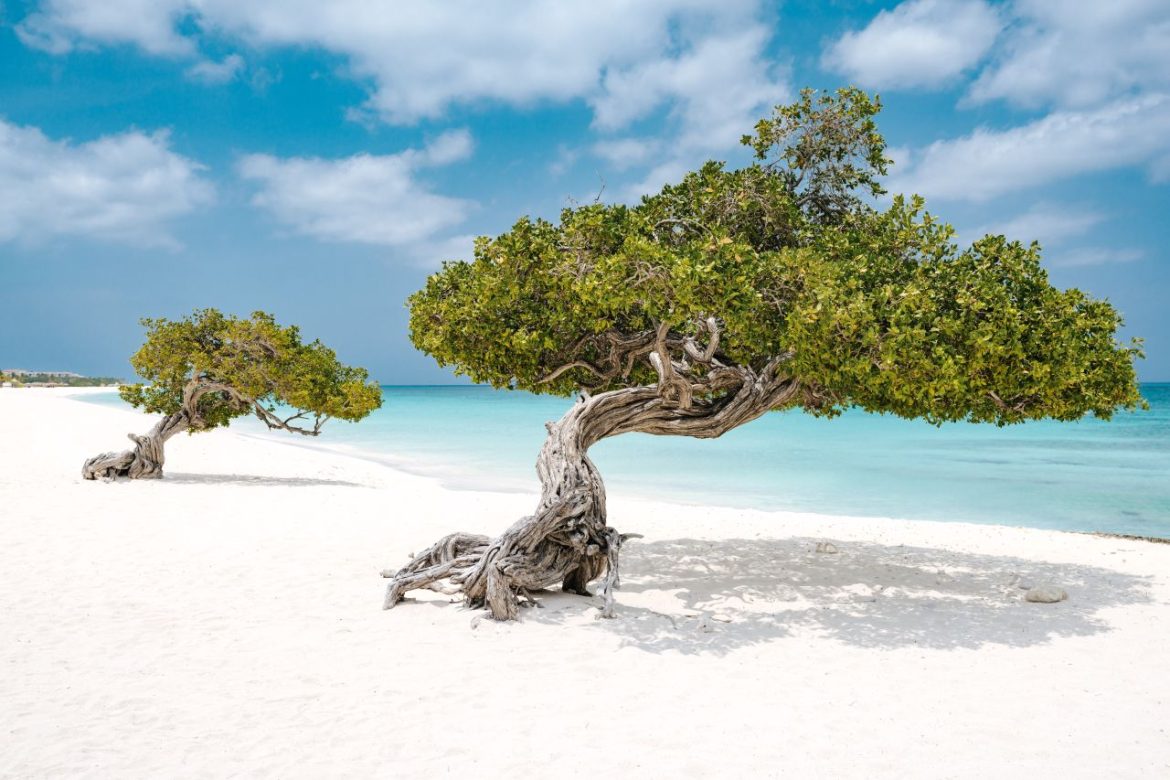
We aim for the main reason to be the people, the island, and what it has to offer. Not only sun, sand and sea. That said, Eagle Beach was recognised this year as the best beach in the Caribbean and as the third best beach in the world by Trip Advisor. We’re talking four or five kilometres of white sand, crystal clear waters. It’s not mass tourism there, either. You’d think the number one best beach in the Caribbean would have thousands of people, but that’s not the case.
Aruba was first among Caribbean destinations in the Travellers’ Choice Awards this year. Why is that?
We were honoured to receive that award! In recent years, we’ve been working on responsible tourism, because we understand that Aruba isn’t an island that could receive two or three million visitors a year.
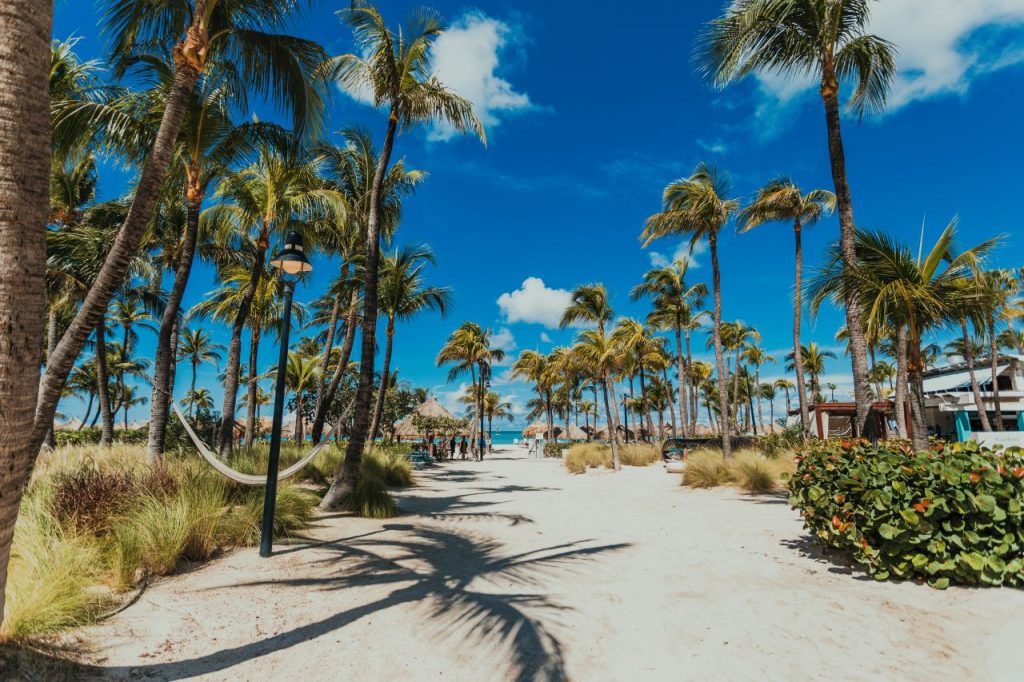
We’ve been working the last couple of years on responsible tourism. For example, it’s very cultural for us to pick up trash if we see it on the streets, it’s like we’re cleaning our own house. So when a visitor comes, we try to incentivize them to do that via on-island communications about keeping the island clean.
Another example — single-use plastic has been prohibited in Aruba, and we incentivize people not to bring it, but rather to bring reusable water bottles. There are water stations around the island.
What’s the food like on Aruba?
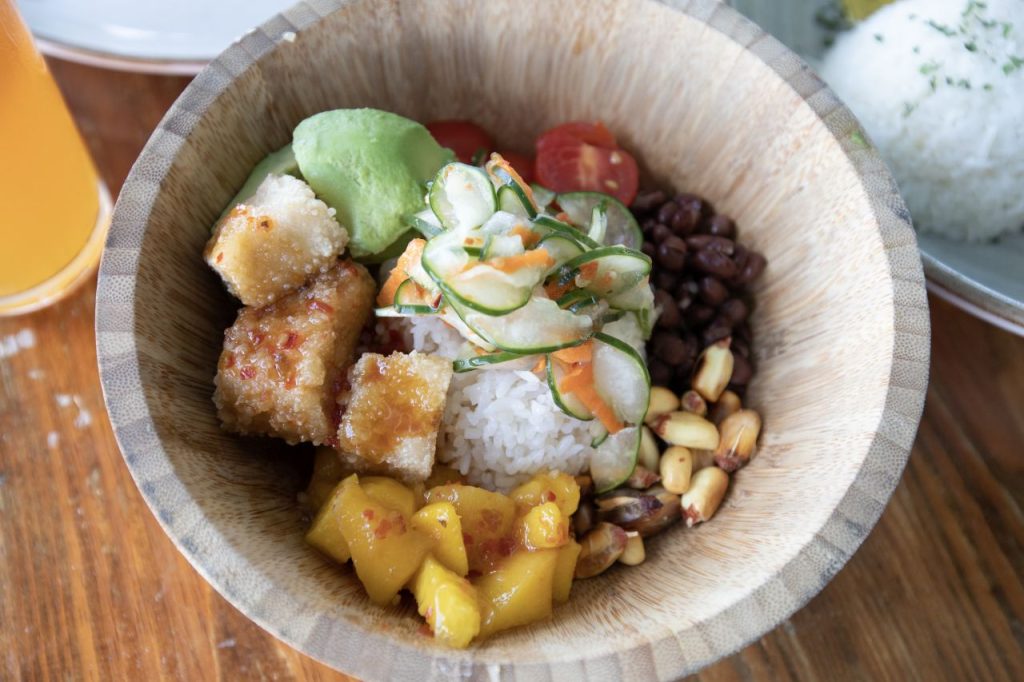
We have more than 200 types of restaurants in Aruba. To give you a sense of scale, 120,000 people live on Aruba, representing 110 nationalities. As you can imagine, each brings their own cuisine. That mix gives Aruba a huge variety of restaurants.
One example I always give is pastechi. In Argentina, they would be called empanadas. It’s Dutch cheese, gouda, but wrapped up so it looks like an empanada. So that’s a fusion of Latin American empanadas with Dutch influence.
A small group of fishermen will also go out very early in the morning, come back around 11 a.m. and sell their catch to restaurants.
Auténtico is our culinary festival. That’s from October 11-19. It’s the second time we’ve done it, and we’re bringing chefs from all over the world: the U.S., Peru, the Netherlands. Michelin chefs, in some cases, but also our own chefs from Aruba.
Can you talk to me about the kind of tourist who visits Aruba?
Right now, around 70-75% comes from North America. After that, we have Latin America, with a 15% market share. And lastly, we have Europe, with around 5%. Right now, Latin America is the booming region for Aruba, it’s astonishing. That 15% share today was only around 8% three or four years ago.
For Colombians it’s a 90-minute flight, so it’s like, we go on Friday and we come back on Monday. For Argentina it’s a big visit. It’s a 10-hour flight. So bigger families tend to go, normally adults that have the funds for these types of trips.
More Argentines are going abroad in general because of the strong peso right now. But why Aruba specifically?
Indeed, more Argentines are travelling around the world. The Dominican Republic and other Caribbean islands are seeing growth from Argentina of 50%, 60%, even 80%. But in Aruba, we’ve seen 127% growth. We think perhaps traditional Caribbean destinations like Cancun have become a different priority for Latin Americans, or they’ve already visited a couple of times. So they’re looking for a non-traditional Caribbean destination.
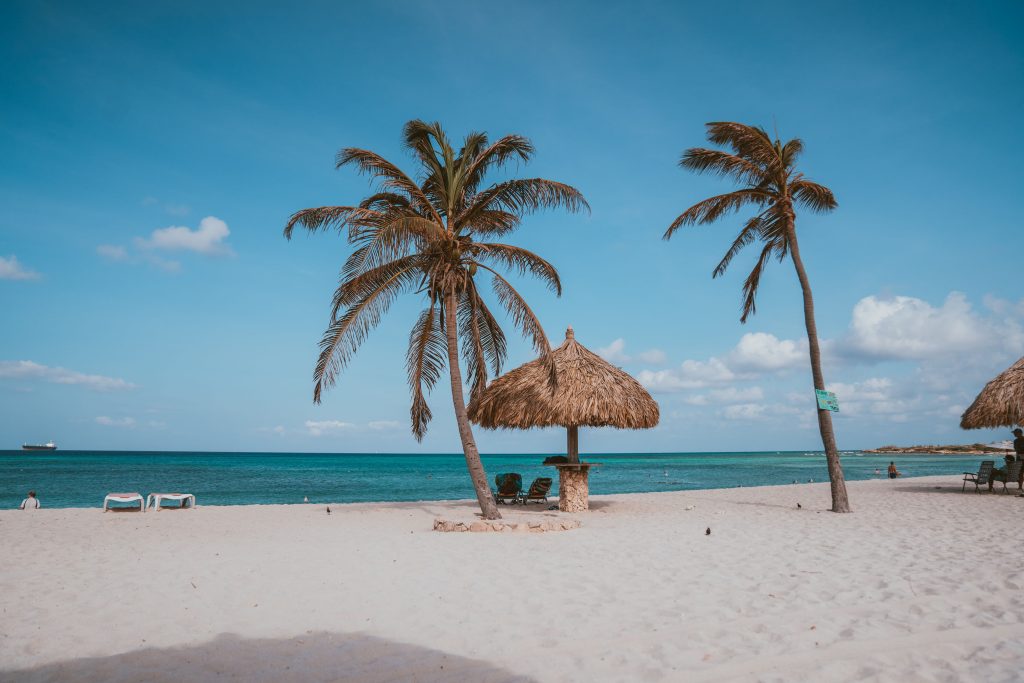
The other point is safety. In Latin America, safety is an issue, we all know that. Aruba has — I don’t want to say zero, but almost zero crime rate. When I say Aruba is safe, it’s not because we have thousands of police around the island. We go by the philosophy that we live from tourism, 80% of our GDP is tourism, and that makes us responsible for the safety of our island, our people, and our guests, right?
We’re also outside the hurricane belt: Aruba has never had a hurricane in its history. And the other point is that unfortunately, sargassum seaweed is hitting a lot of traditional Caribbean islands at the moment. Aruba is fortunate enough to have escaped that, too.
Aerolíneas Argentinas is starting direct flights from Argentina to Aruba, right?
In August, Argentina went from the second most important market for Aruba from the Latin American region to the first.
We’ve been investing in Latin America for 53 years, and this is the first time we’ve seen Argentina, such a distant country, become the number one market. That’s something we’re proud of.
When it comes to Aerolíneas Argentinas, this shows that other stakeholders see the same potential benefits that we do. So, on January 1, 2026, Aerolíneas flights will leave five times a week, with flights from Buenos Aires, Córdoba and Mendoza, which will be a new beginning for Argentina and for Aruba.
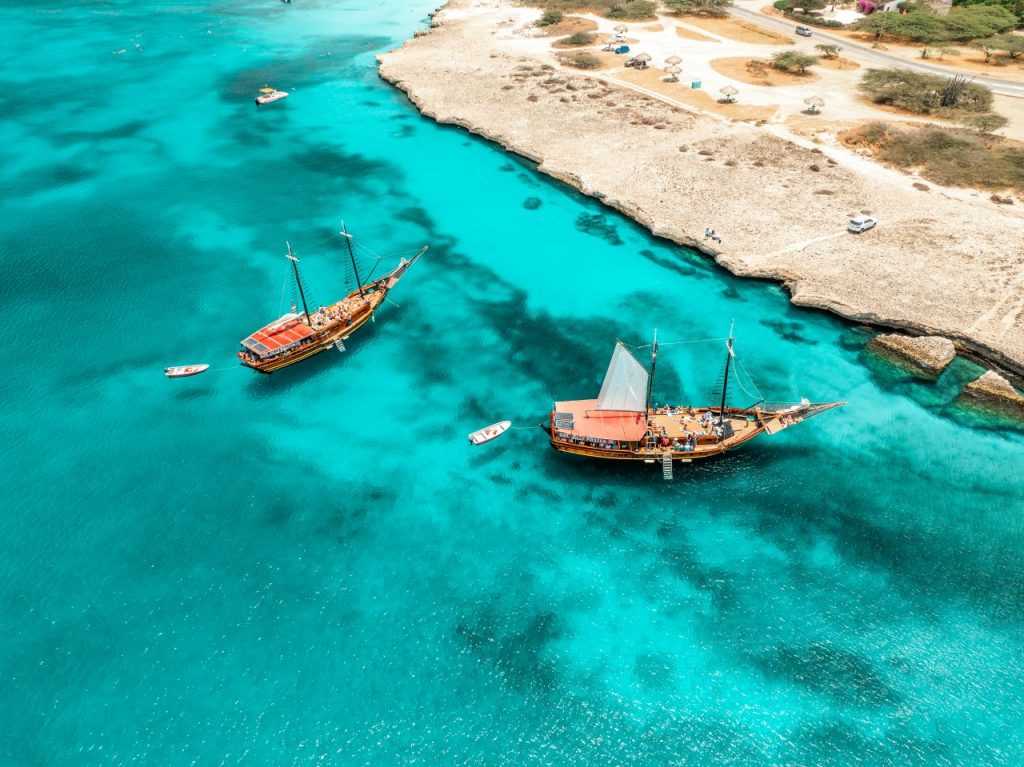
What sorts of activities does Aruba offer?
We are a sun, sand and sea destination — and as well as Aruba’s gastronomy, we think nature is another reason to visit Aruba. Actually, 23% of Aruba is a nature reserve, so nothing can be built there. It’s a really nice place to do walking and bike tours.
There’s a lot of wildlife. Curiously, most wildlife is imported — there are iguanas, rattlesnakes, but Aruba didn’t originally have rattlesnakes. They were imported together with sand and trees.
Aruba has a lot of wind, in August and September there’s a lot of warm wind, so you can go kite surfing and windsurfing. We’re proud that the world kitesurfing champion for the past 10 years, Sara-Quita Offringa, is from Aruba, and she learned in Aruba.