
 Elisabeth G. Iborra
 On the Argentine coast a five-hour drive from Buenos Aires, a close-knit group of chefs and restaurateurs has transformed the national culinary scene in recent years. No longer just the land of giant, succulent prawns and family beach vacations, Mar del Plata has become Argentina’s most refined seafood hub. Here, chefs trained in Europe apply cutting-edge techniques to the freshest catches of the South Atlantic.
“La feliz,” (The happy one), as Enrique de Thomas called the city in his wildly successful advertising campaign of the 1960s, now boasts Argentina’s best seafood restaurant, the country’s first bar included in the 50 Best Discovery list, and a vibrant dining scene that thrives 365 days a year, offering experiences that stretch far beyond its fertile lands and waters.
Amid vineyards, plazas, scenic viewpoints and cultural stops, I’ll walk you through the most remarkable restaurants I’ve had the chance to try first-hand.
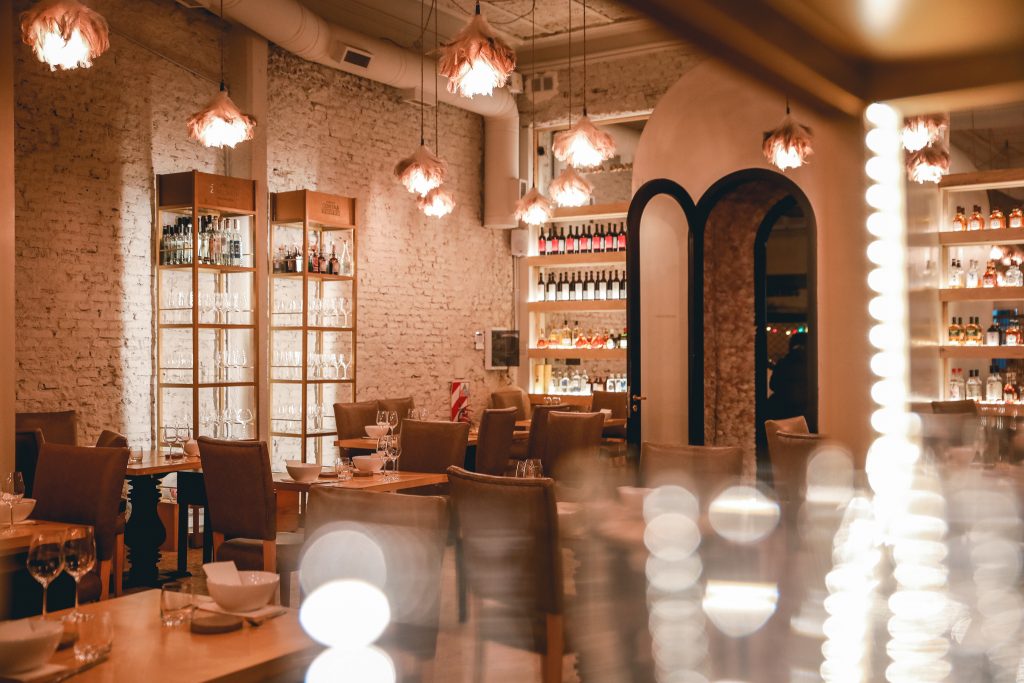
The Michelin-style revolution began over 20 years ago, when chefs Fernanda Sarasa and Patricio Negro returned from stints at Martín Berasategui’s restaurant, and the three-starred Da Vittorio in Italy to open Sarasanegro in 2003. Today, it is widely hailed as Argentina’s best seafood restaurant, famed for its pioneering “sea charcuterie” and a wine cellar holding 20,000 labels.
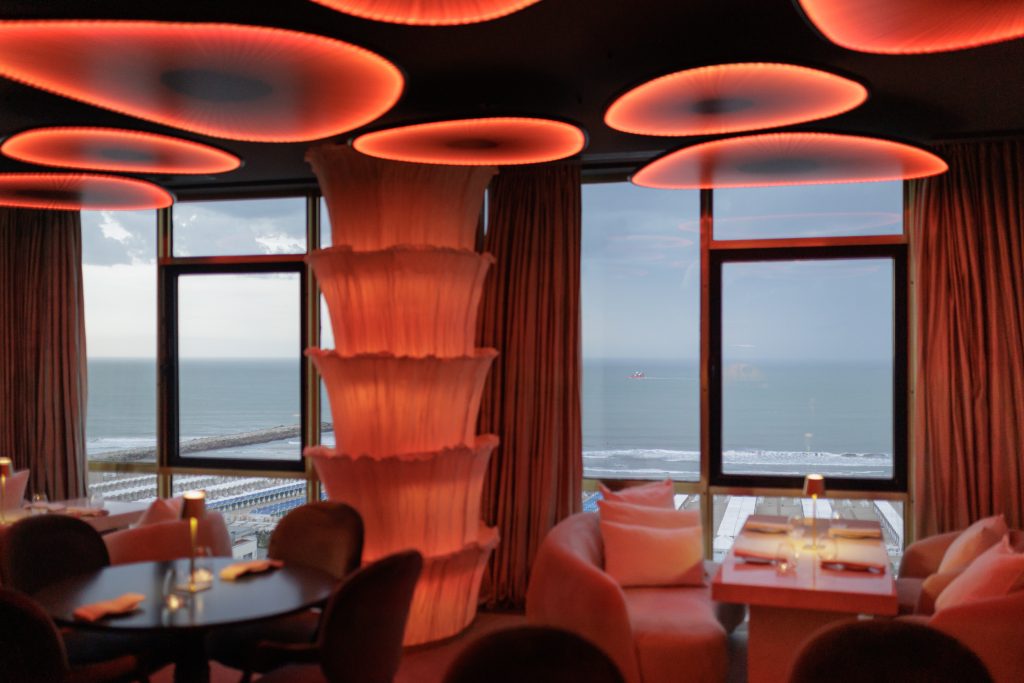
Their success, along with a strong philosophy of training and retaining staff, led them to create Furia Puro Fuego, a high-end rooftop where Patricio grills fish and meats alongside Leonardo Perales, heir to the legacy of Parrilla Perales. Guests are welcomed with a cocktail bar that channels the four elements, complete with panoramic views.
From its lovely terrace, where a controlled fire pit warms the nights, your gaze stretches all the way to the Torre Tanque — an 88-meter water tower that has offered 360-degree views of the city since 1943.
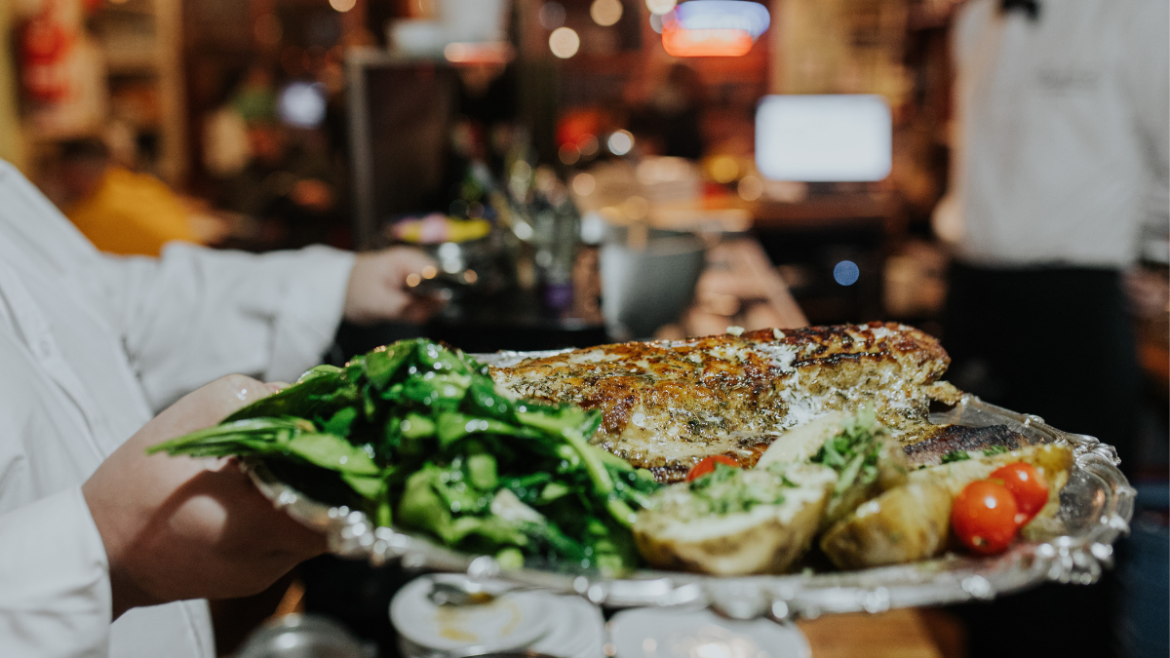
With the same respect for ingredients, Lo de Tata (see cover photo) cemented the movement by turning culinary honesty into an homage. Cousins Santiago Nosiglia and Lisandro and Manuel Ciarlotti created this Italian-style tavern inspired by their grandfather, El Tata. Lisandro’s tiraditos, prawns, cured fish and fried dishes like the mila napo speak to that family tradition.
After feasting there, the MAR Museum is a must. Its 7,000 square meters and Marta Minujín’s colorful sea lion sculpture — a pop-art version of the Rambla’s iconic statue — make for the perfect cultural counterpoint.
Among the city’s architectural treasures, one gem is the former home of the “King of the Sorrentino,” now housing Caldo. Since 2018, it has been at the heart of a new Atlantic Italian wave. Chef Lisandro Ciarlotti teams up with Hernán Domínguez, trained at El Bulli, to serve inventive fish and pastas like conchiglioni, rigatoni, or orecchiette — classic in Italy, but distinctive in Mar del Plata.
Their concept of “Atlantic Italy” resonates beautifully with the Casa sobre el Arroyo, a Modernist masterpiece from 1945 that illustrates the dialogue between international and local design.
Sea views
History and the ocean meet at the Torreón del Monje, a neo-Gothic castle from 1904. Here you can linger from brunch through dinner, browse its book fair or bookstore, and marvel at Mar de Cartas, an ever-changing exhibition drawn from an archive of 30,000 letters and postcards that trace Argentina’s social history.
From there, a stroll to the Escollera Sur reveals the world’s longest sea-side mural, ending in the Puerto Natural Reserve.
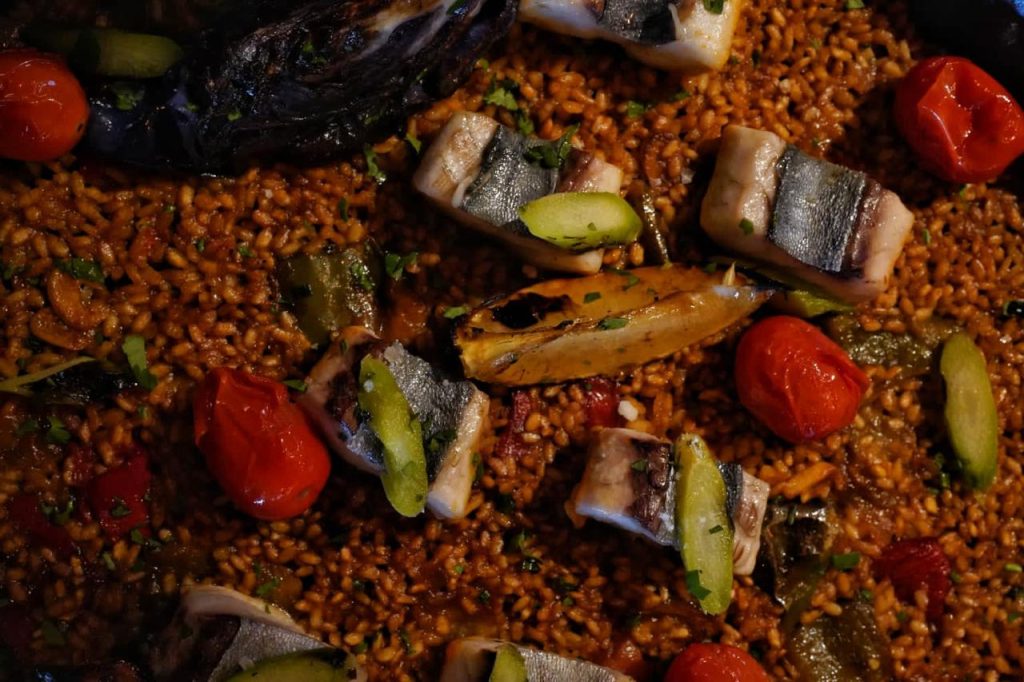
Across from the port, chef Fran Rosat brings Spanish techniques to the South Atlantic fish his family has long harvested and sold. At his maritime-style tavern, Lo de Fran, quality shines brightest in the black rice with squid socarrat, battered baby squid, and chistorra sausage — an ode to Mediterranean rice tradition that rivals many Spanish restaurants.
After such indulgence, I recommend walking along the costanera to take in San Martín Park, the statue of the woman, and the city’s famed beach clubs.
If dinner finds you near Playa Grande, head to the third floor of the Costa Galana Hotel, where Alex Vidal’s cocktails meet the fine dining of Pedro Bargero and Rodrigo Gurtchenco at MAR Cocina Suratlántica. Their seafood snacks — don’t miss the local octopus — are worth the climb.
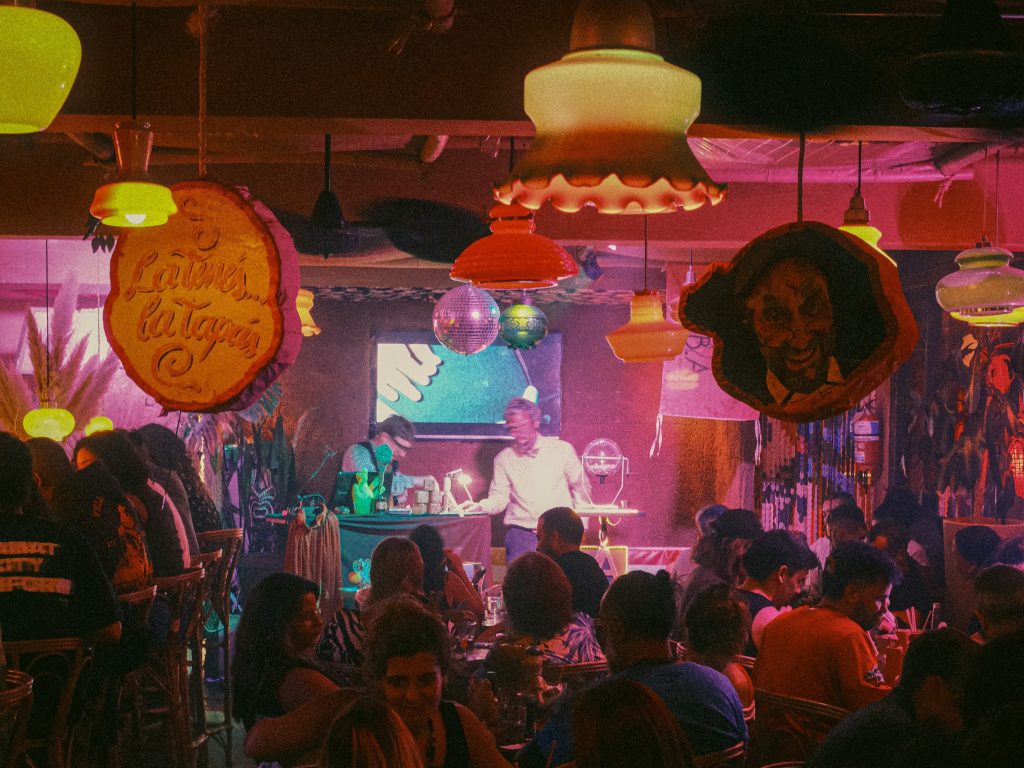
In the same area, Tiki Bar has been shaking cocktails for 12 years and earned a spot on the global 50 Best Discovery list, the first venue in Mar del Plata to achieve such recognition. Handwoven coasters by local artisans and produce from Granja La Piedra create a symbiosis that benefits locals and visitors alike.
Chapadmalal: the land that feeds the kitchens
Speaking of Granja La Piedra, this beloved dairy and cheesemaker supplies nearly all the top restaurants here, and visits (booked in advance) often include the chance to witness a goat giving birth. On the final ridge of the Tandilia range, sisters María and Griselda turn 400 million years of marine-rich soil into pastures, then into milk, and finally into unforgettable cheeses.
Since you’re in Chapadmalal, a few kilometers to the south of Mar del Plata by car or bus, make the most of the trip through the Sierra de los Padres, with its 150-meter viewpoints and the fascinating José Hernández Museum.
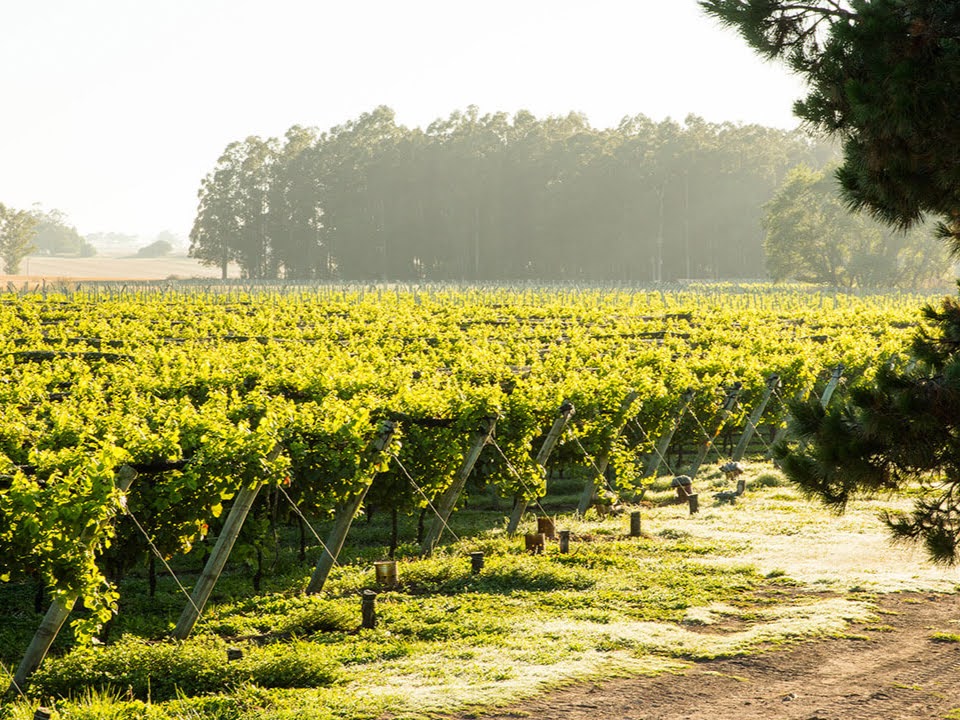
Nearby, don’t miss a tasting at Bodega Costa y Pampa, Argentina’s pioneering oceanic winery. Its 25 hectares sit just 30 meters above sea level, defying conventional viticulture and producing award-winning whites, rosés and reds with a unique saline minerality that sets them apart from more famous denominations.
Six kilometers inland, the route leads to Luna Roja, a charming restaurant and lodge since 1963, prized for its sweeping Atlantic views and its seafood stew, alongside a wide-ranging menu.
Aperitifs and tapas
Sin Nombre, Fran Rosat’s cosmopolitan vermouth bar, comes closest to a true Spanish-style tapas experience on this side of the Atlantic. His grandmother’s ham croquettes with béchamel and an ossobuco empanada that elevates comfort food into delicacy are not to be missed.
More old-school is Las 40 Viejo Bar, the historic watering hole of Carlitos, saved from developers by eight friends. One of them, Joaquín Teixido, has since become one of the city’s most respected charcutiers, renowned for his fresh txistorra and other cured meats. Another, Marcos Valdettaro, created Rodo, Mar del Plata’s first artisanal vermouth, now with several versions.
Fusion done right
In Güemes, chef Luciano Fogolini and sommelier Ludmila Barda turned a 1950s chalet into Carácter de Fonda. What began as home cooking is now a lively space for daring fusion cuisine and relaxed midweek wine tastings paired with enticing small plates. Their motto: “You’re at home.”
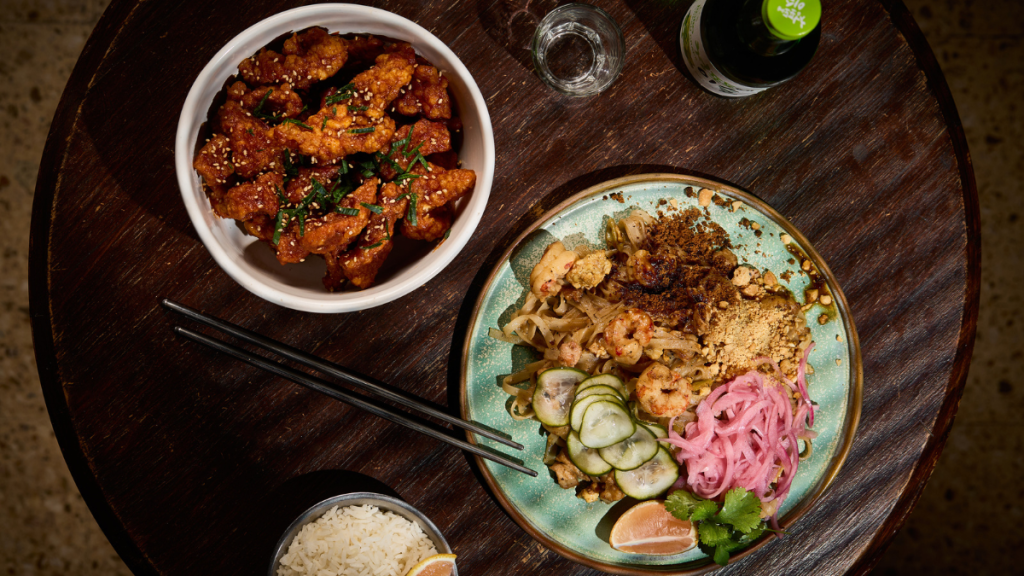
That same feeling carries through at Asian Ghetto, run by cook Eugenia Krause. Awarded the Slow Farm distinction, she sources from a 120m² garden in Santa Celina and even mills her own flour for dumplings, noodles, and Pad Thai. Her green curry is among the best I’ve tasted — even in Asia.
With all that energy, start the next morning at Laguna de los Padres, just 14 kilometers from the center, where you can kayak or hike and reconnect with the landscapes that sustain these kitchens.
Even if there’s much more to say, these examples alone show how Mar del Plata proves that Argentine culinary excellence can confidently turn inward — towards the land and the sea.
Here, different styles coexist without egos or rivalries, not even with Buenos Aires chefs, who are often invited for four-hands dinners and even share suppliers. The goal is common: to establish the province’s second city as a world-class food destination, year-round.
“Mardel” is no longer just the seaside getaway for porteños. More and more are making weekend escapes to eat well and unplug from the capital, drawn into an ecosystem where food, landscape, and culture feed off each other.
