

 Buenos Aires Herald
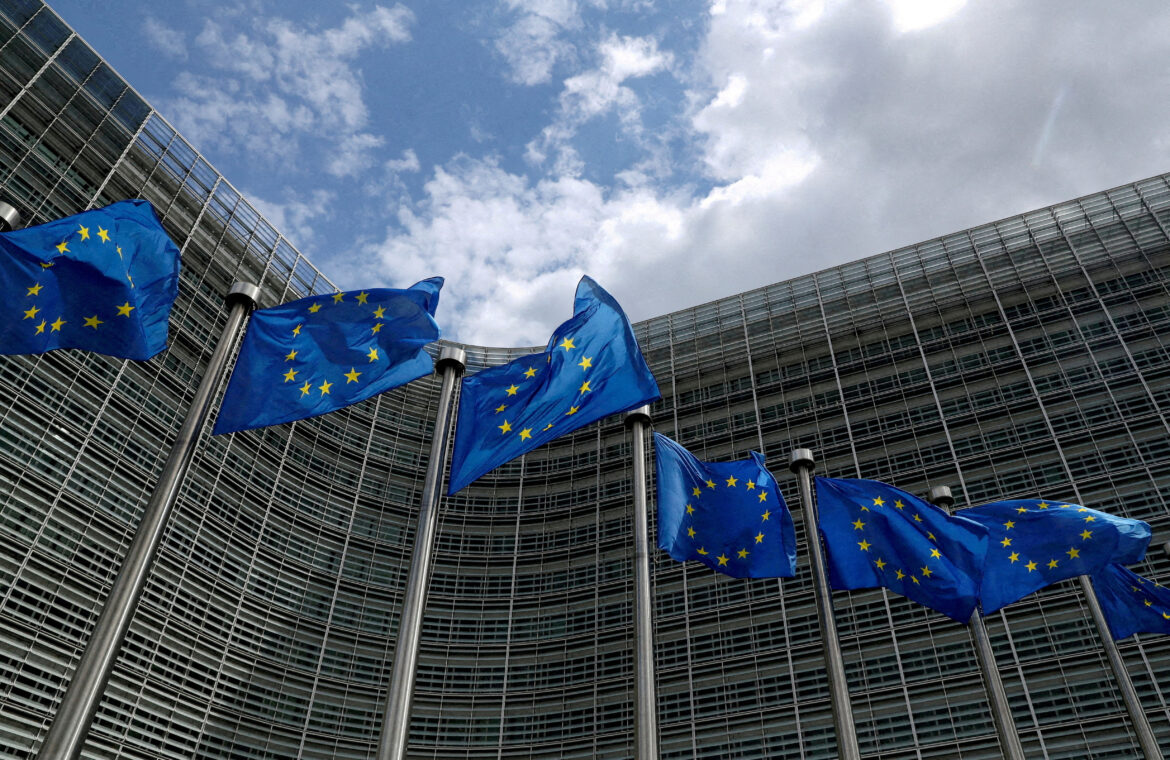
The European Commission has filed its final proposals for the EU-Mercosur and EU-Mexico trade deals to the European Council.
The council, which represents the governments of the European Union member states, will now discuss the agreements. They will then be debated in the European Parliament.
A source at the EU told the Herald they expect to finish the process this year.
“These partnerships will create billions of euro’s worth of export opportunities for EU companies of all sizes, contribute to economic growth and competitiveness, support hundreds of thousands of European jobs, and promote EU interests and values,” said an EU communiqué. It added that the agreements would help the continent to “widen its range of reliable sources for critical inputs and raw materials.”
European Commission President, Ursula von der Leyen, said that EU businesses and the EU agri-food sector would immediately reap the benefits of lower tariffs and lower costs.”
“The EU is already the world’s biggest trading block, and these agreements will cement this position,” she added.
You may also be interested in: What’s next for the EU-Mercosur trade deal?
The European Union is a political and economic union of 27 member states in Europe. Mercosur is a South American trade bloc whose full members are Argentina, Bolivia, Brazil, Paraguay, and Uruguay. Bolivia is not part of the new deal, as it became a member after debate over the agreement started.
The EU said the deal would “create the world’s biggest free trade zone, covering a market of over 700 million consumers.”
“EU firms will enjoy first-mover advantage, benefitting from lower tariffs in a region where most other countries face high tariffs and other barriers to trade,” the communiqué said, adding that EU exports to Mercosur would increase by up to 39% because the deal involves removing “prohibitive” Mercosur duties on EU exports.
Each agreement (the one with Mercosur and the one with Mexico) has been divided into two parts: a commercial and a political agreement. The first only requires a qualified majority in the Council of the EU, while the political section requires consensus — that is, 27 approvals from national parliaments plus the European Parliament.
The EU and Mercosur concluded negotiations for a trade agreement in 2019, but the process was delayed when Europe sought additional commitments on issues such as the environment and Amazon deforestation. Five years later, in December 2024, the parties announced that a final agreement had been reached.