

 Martina Jaureguy
 Peronism confirmed its candidate lists for each of the Buenos Aires province electoral districts ahead of the provincial legislative elections, scheduled for September 7.
Fuerza Patria, the alliance formed between the main Peronist factions ahead of the election, filed all the required paperwork to participate in the race at 2 p.m., the new deadline established by the provincial Electoral Board after two powercuts affected the registration process on Saturday night.
According to a source close to Sergio Massa, one of the leading voices of the coalition, there were no changes being made to the lists as of Monday morning, but rather they were filling out the required documentation.
Peronism confirmed the same list of leading candidates for each of the electoral districts that the Herald had reported on Sunday. Lead candidates include Gabriel Katopodis, the province’s current infrastructure minister, in the first electoral district and Vice Governor Verónica Magario in the third. These districts, which include many of the large suburbs and cities immediately surrounding Buenos Aires City, are the most populous in the province, and key to electoral success.
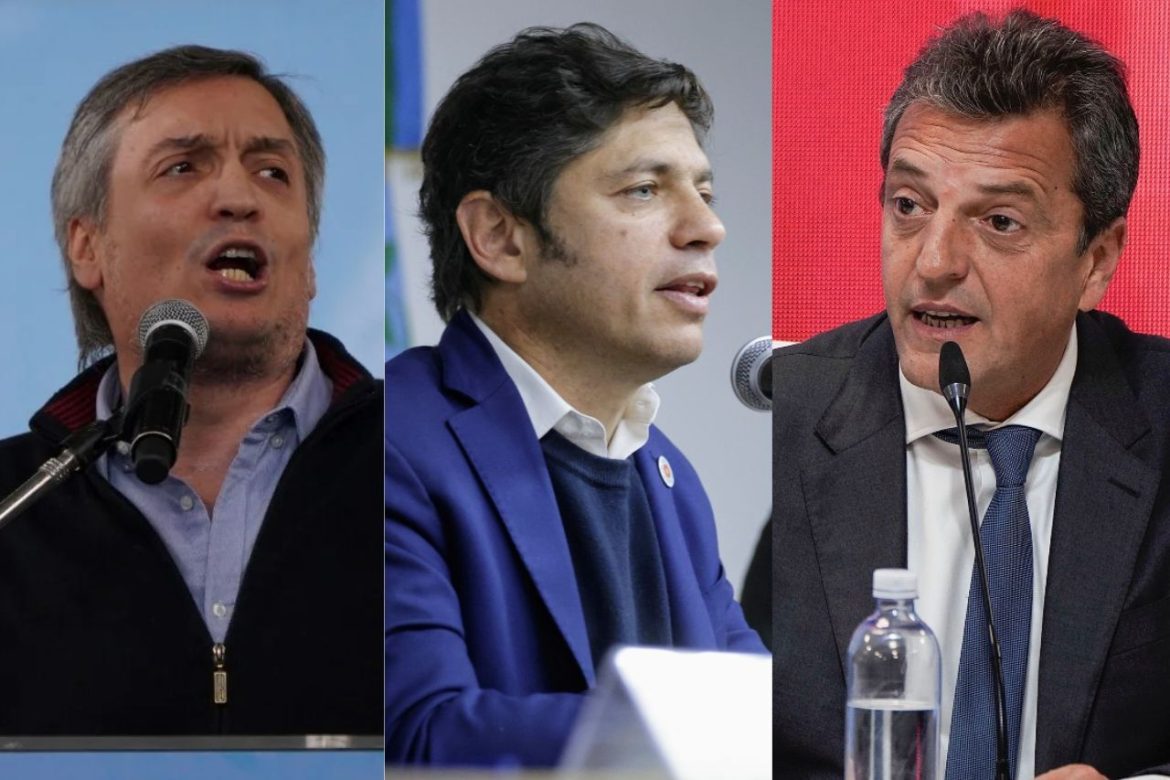
Despite normally being seen as a minor election, the 2025 legislative race took the spotlight after Governor Axel Kicillof decided to split it from the national election scheduled for October 26. The negotiations regarding the candidates led to a peak in pre-existing tensions between the three clashing Peronist factions, led by Kicillof, Massa and Máximo Kirchner respectively.
While Kicillof managed to keeü people close to him leading the tickets in three electoral districts — including Katopodis and Magario — the remaining five will be led by Kirchnerists. However, according to the Herald’s sister publication Ámbito, the complete candidates lists include members of all three factions, with Kirchnerism having the highest overall number of candidates, followed by Kicillof’s Movimiento Derecho al Futuro (MDF) and Massa’s Frente Renovador.
A key factor in this election is that, reportedly, there will be no “testimonial candidacies,” a concept used in Argentina to refer to candidates who appear on a ticket to gather more votes but that will later not take on the role they were elected for, choosing to remain in their current position.
For example, Quilmes Mayor Mayra Mendoza, a prominent leader within Kirchnerism, will compete in third place in the ticket for the third electoral district. She is expected to take her seat in the provincial Legislature in December. She will reportedly be replaced by Quilmes council member Eva Mieri, who recently spent 13 days in prison, accused of throwing excrement at the door of LLA national deputy José Luis Espert.
The deadline extension
The original deadline was midnight on Saturday, July 21. At the time, Peronism was still far from reaching an agreement regarding who would be the leading candidate for each of the eight electoral districts, and the discussions finished around 5 a.m. on Sunday.
While the rest of the parties registered their candidates before the deadline, the Electoral Board decided to accept a request filed by Fuerza Patria and other coalitions to extend the deadline. The entity decided to open the registration system on Monday between 9 a.m. and 2 p.m.
A copy of the board’s resolution reported by several media outlets showed that the request was made by coalitions La Libertad Avanza (LLA), Fuerza Patria and Potencia, as well as the Libertarian Party. However, the LLA coalition — which includes President Javier Milei’s party as well as the PRO — denied that they requested the extension in a statement released on Sunday.
“The La Libertad Avanza Alliance did not request any extension of the deadline to file these documents,” they wrote in the statement, calling that request “a trick” and the power cuts “strange.”
“This situation overlapped, coincidentally, with the unresolved infighting within Kirchnerism and its struggles to agree on candidacies,” they added. “The maneuver is clear: they did not meet a deadline established by themselves, and took advantage over the rest of the coalitions, knowing beforehand who their candidates would be.”