

 Sorrel Moseley-Williams
 The trending topic for foodies in Buenos Aires in 2008 or thereabouts was, “So what can we eat besides pizza, pasta, and parrilla?” Expats in social media groups would exchange information on where to eat something “different” that went beyond the three Ps, Argentina’s key food groups. People were hungry, verging on hangry, to savor other flavors.
A decade or so ago, a Mongolian guy opened up a barbecue spot, preparing meat and vegetables over a vast circular hot disc in his Recoleta restaurant. That was pretty damn exotic at the time. Then it was the turn of Pakistani kebabs in Palermo Hollywood, well priced and bursting with spices, one of many small mom-and-pop shops conceived by migrants starting a new life in foreign lands, keen to share their culinary traditions in their adopted home.
Despite Argentina’s strong Spanish heritage, I’ve never really found a go-to taverna worth frequenting for an incredible paella or an oozy tortilla (I wish I had one!). The Old World’s culture has left its thumbprint in other ways. Then there was a new, 21st-century immigration wave that flowed down from northern South America.
Colombians appeared on the restaurant scene, bringing new dynamics to the table. Friendly, happy, smiley faces, as opposed to the brash, “I’m doing you a favor by taking your order and bringing your dishes to the table” style of service that porteño restaurants were renowned for. And then the restaurants began to flourish anew.
One notable establishment in Villa Crespo was I Latina, run by three siblings from Bogotá. I Latina was a welcome addition to the fine dining scene, given that chef Santiago Macías spotlighted ingredients and flavors from all over the continent in his tasting menu while also doing away with fussy service and replacing it with Colombian charm. It was named One to Watch in 2015 by Latin America’s 50 Best Restaurants. They also ran a very popular weekend brunch, a clever initiative to bring their style of hospitality to a wider audience. Sadly, the restaurant fell victim to the pandemic and bit the dust in January 2021.
Then came a wave of Venezuelan empanada storefronts, a favorite food and taste of home all over the continent. The ones from Venezuela, however, come with their own twists. Little wonder so many opened: the International Organization for Migration noted in 2024 that the Bolivarian diaspora forced 7.89 million Venezuelans to flee their country.
La Carbonera was one spot to celebrate the incoming Venezuelan food influences. Ramón García and Lucías Arias, the husband-and-wife team behind this fast-food joint, lovingly created Venezuelan empanadas from scratch, taking their time to cook and then mill corn for flour. While La Carbonera also sadly shuttered some time ago, you can savor the Venezuelan flavor at unofficial stands every morning outside the migration center in Puerto Madero.
More food for thought: Despite the substantial Bolivian or Paraguayan communities in Buenos Aires, why aren’t there restaurants from those communities making their mark? Off the top of my head, I can think of one Paraguayan lady who sells empanadas at the Mercado de Liniers on Sundays. But beyond that, you need to make the effort to seek out Bolivian dishes such as sopa de maní, sopa paraguaya pie, or mbeju crepes made with manioc starch in Buenos Aires.
The most recent migration wave comes from Russia and Poland. Two places in particular are welcome additions to the food scene, even if this isn’t the most conducive time to be opening a restaurant during Argentina’s current recession.
New flavors on the Argentine culinary scene
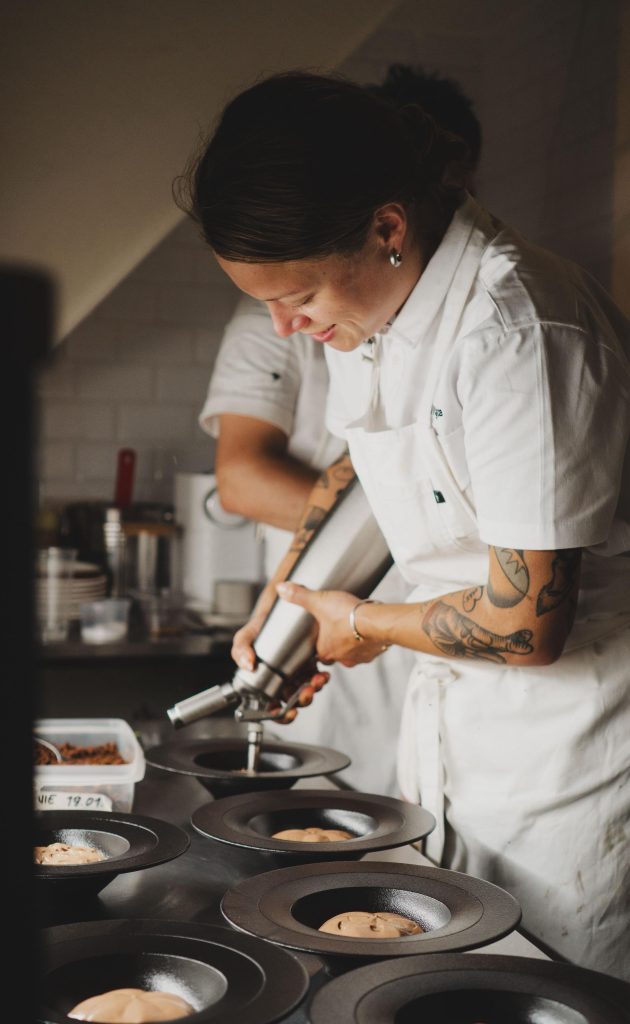
It was Marta Wadja’s husband’s idea for the couple to up sticks and move to Argentina during the pandemic. Having spent many Polish winters in Buenos Aires, they didn’t want to waste their lives in sun-free Poland. According to the artist-turned-chef who opened her eponymous restaurant in Colegiales in March, the Argentine capital is a city where “everything is possible, where everyone can be themselves.”
Creating passionate and creative cuisine, fine dining without restrictive rules that doesn’t necessarily focus on Polish dishes, as she says, Marta recently hosted a special dinner that drew from flavors and dishes from back home – and it was outstanding. Her use of fruits such as blood orange with duck was refreshing, while the poppy seed ice cream was original and delicious. U.S. diplomats should beware, however, because a random Class A substance test might come up positive for something else if you consumed her dessert.
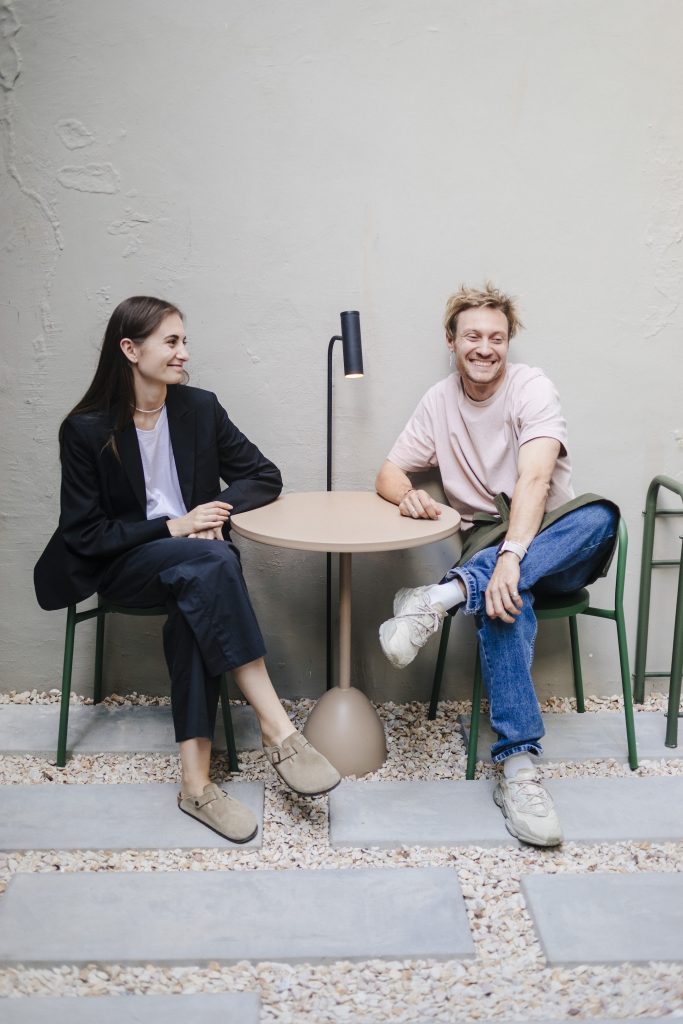
As for Konstantin Voronin and Ksenia Romantsova, they come from opposite sides of the Russian Federation but were united in their decision to move away from their home country almost as soon as the war with Ukraine commenced. The Russian community has grown fourfold since 2022 — from around 2,000 to 8,500 people — although it seems unlikely to expand further following recent changes in migration law.
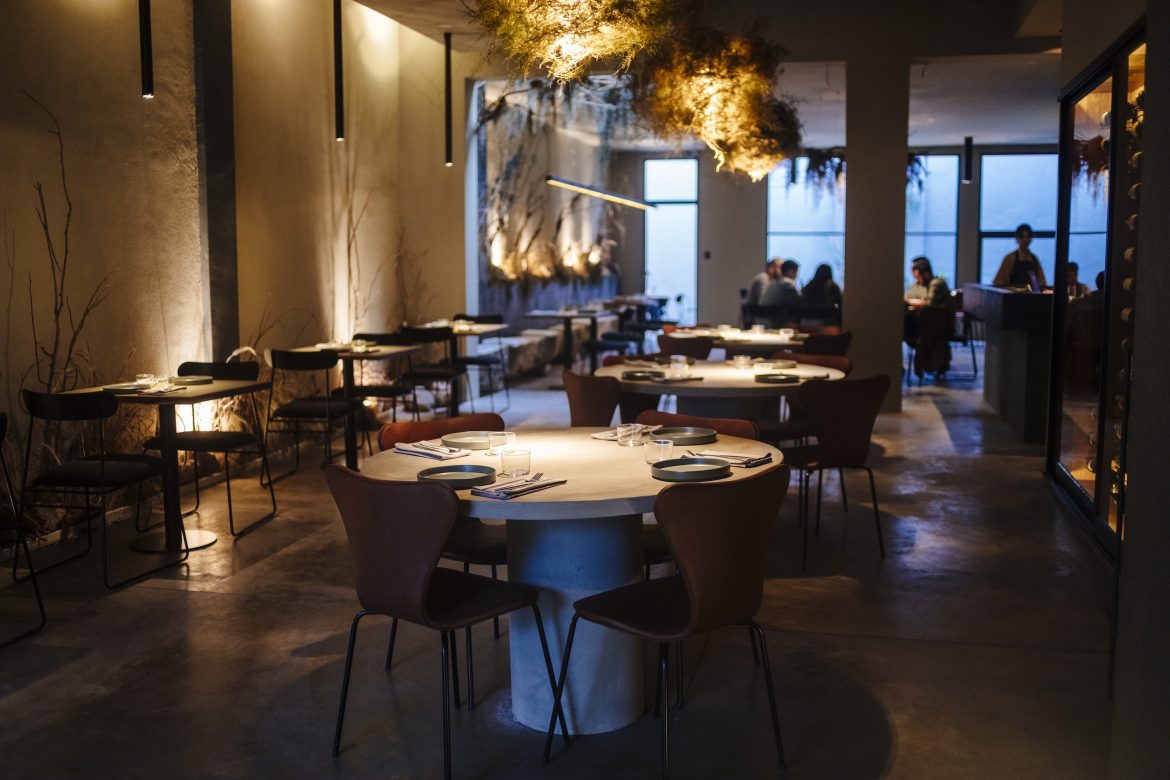
While he is a trained chef who was coming and going between jobs in the Middle East, she was a manager for a Japanese retail store. Given that Argentina’s migration law gave them the opportunity to move, in 2024 they opened Musgo, their own restaurant in Palermo.
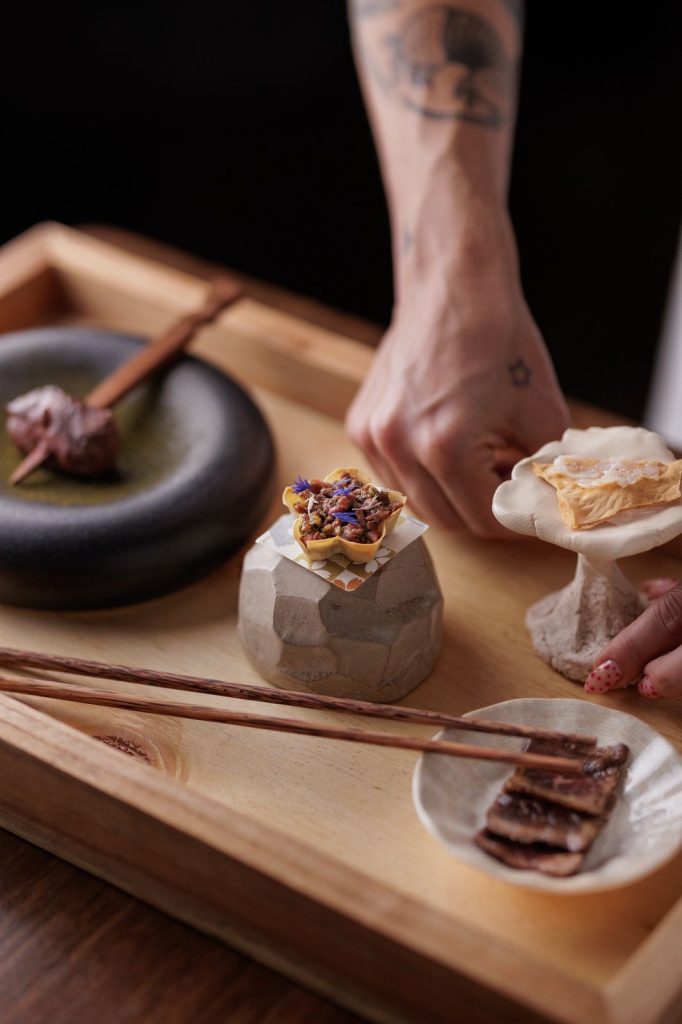
Inspired by Japandi fashion, which amalgamates Japanese and Scandinavian styles, the couple conceived Patagandi cuisine, bringing together ingredients and products from Patagonia with Scandinavian culinary techniques. Highlights include golden curry rib-eye and tempura roast beef with Japanese mint and ponzu, delightful twists on revered Argentine staples.
Cover image: inside of Musgo (image courtesy of Musgo).