
 Sorrel Moseley-Williams
 It was the omissions, rather than the additions, that captured my attention when Argentina’s second Michelin Guide launched in April. There had already been speculation about the outcome of the prestigious guide, as I alluded to last month. (Nope, Gran Dabbang did not make the cut this time, either.)
I had been privy to that information and knew that the Palermo-based restaurant would not feature. For 2025, a total of 80 restaurants featured, including a relatively robust handful of new entries in Buenos Aires City and Mendoza. Three establishments received first-time stars: rounds of applause to Crizia in Palermo Hollywood, Riccitelli Bistró in Las Compuertas, and Angélica Cocina Maestra in Agrelo, Mendoza. The Argentine constellation now tops out at nine one-star venues, 10 in total including two-star Aramburu.
Fortunately, every restaurant that had been awarded a green star for sustainability efforts, a red star — nay, even two — for high-quality cooking, or a Bib Gourmand for “good quality, good value cooking,” kept their accolades. Three restaurants took home new Bibs, including my go-to lunchtime spot in La Paternal, MN Santa Inés, for whom the “good value” prize was surely created. A quick mention for chef Maxi Rossi, who has two restaurants in the guide: Picarón and 2024-opening Ultramarinos.
So we know that Dabbang, the people’s favorite Argentine-Indian eatery, wasn’t featured. Parrillas are still woefully underrepresented — Michelin likes to talk up identity, and there’s little more Argentine than a steakhouse.
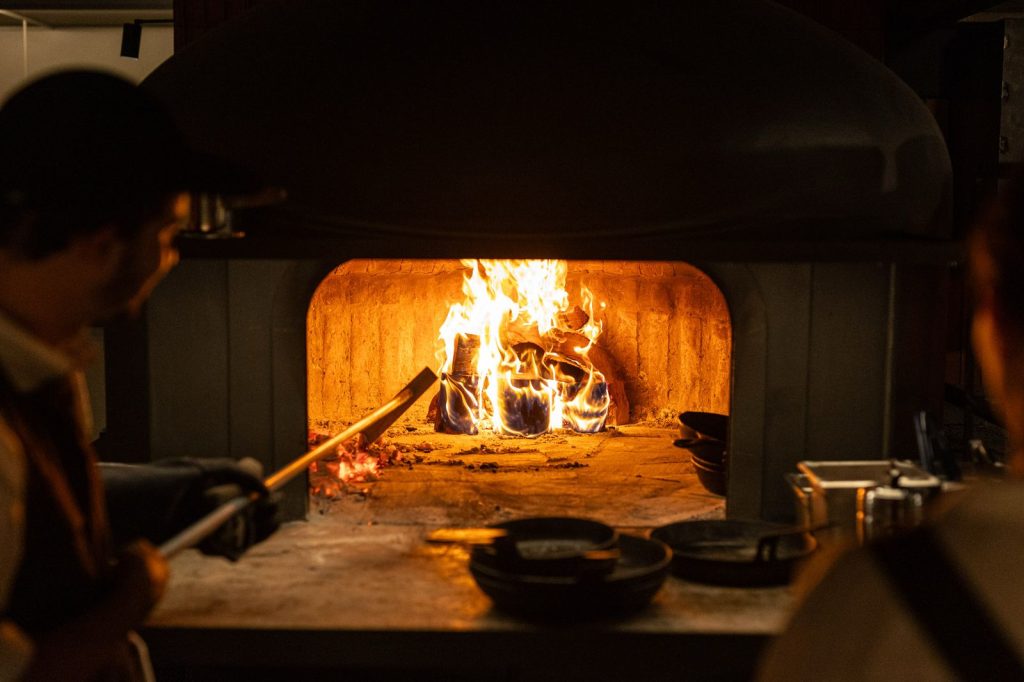
Neither was Ness, which I see as one of the top-three openings of 2024 in Buenos Aires, if not the best. The chef and owner of the Nuñez-based restaurant, curiously, is a contemporary of Dabbang’s Mariano Ramón. Leo Lanussol also used to work with chef Narda Lepes for many years, and has a strong gastronomic identity as he uses open flames in various formats. His style was long revered by foodies at Palermo restaurant Proper, which he co-founded with Augusto Mayer in 2015, until the pandemic forced them to close down.
Lanussol, in the interim, took English classes, consulted in California, and currently takes care of Pan y Oliva and Casa del Visitante, the two restaurants at Bodega Santa Julia in Mendoza. Curiously, neither even received a recommendation for “good cooking” from the French-run arbiter of culinary excellence.
Ness, in particular, boasts many attributes that I personally appreciate in a restaurant. A creative chef who advocates sourcing local seasonal produce. A chef who developed his concept of open-fire cooking to the next level. A solid wine list managed by an excellent sommelier who headed the prestigious Gustu in La Paz for many years. An entertaining yet intimate kitchen counter space where you are basically at one with the line cooks. Cool decor that’s both industrial and sexy. There are also tables, should the proximity to preparation be too in your face.

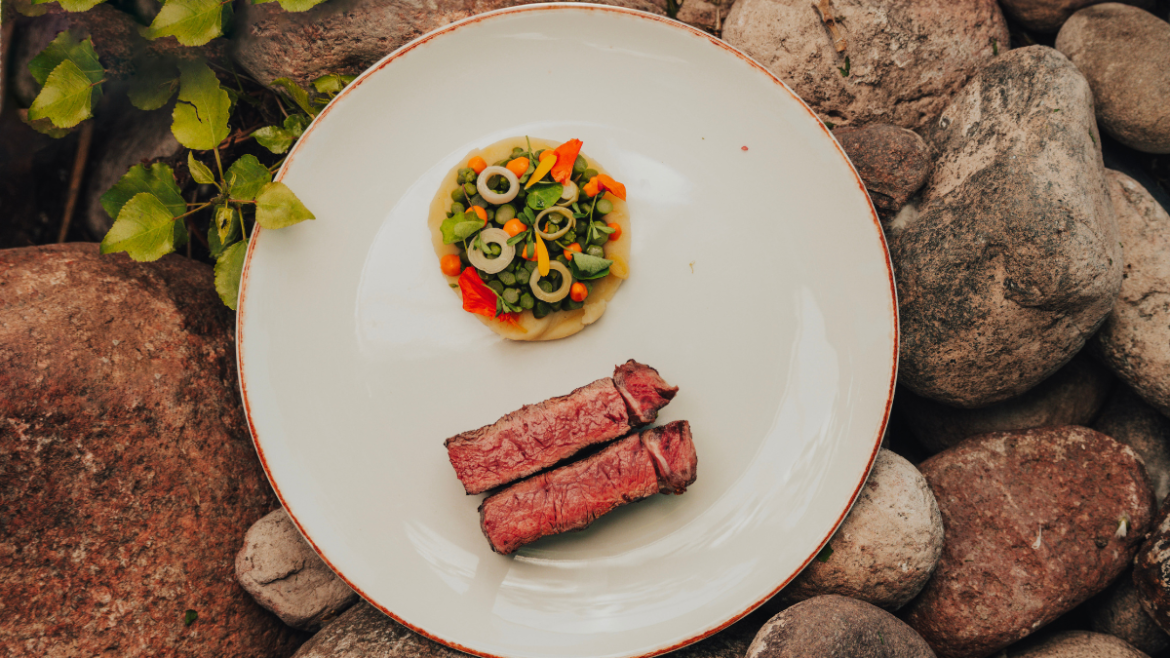
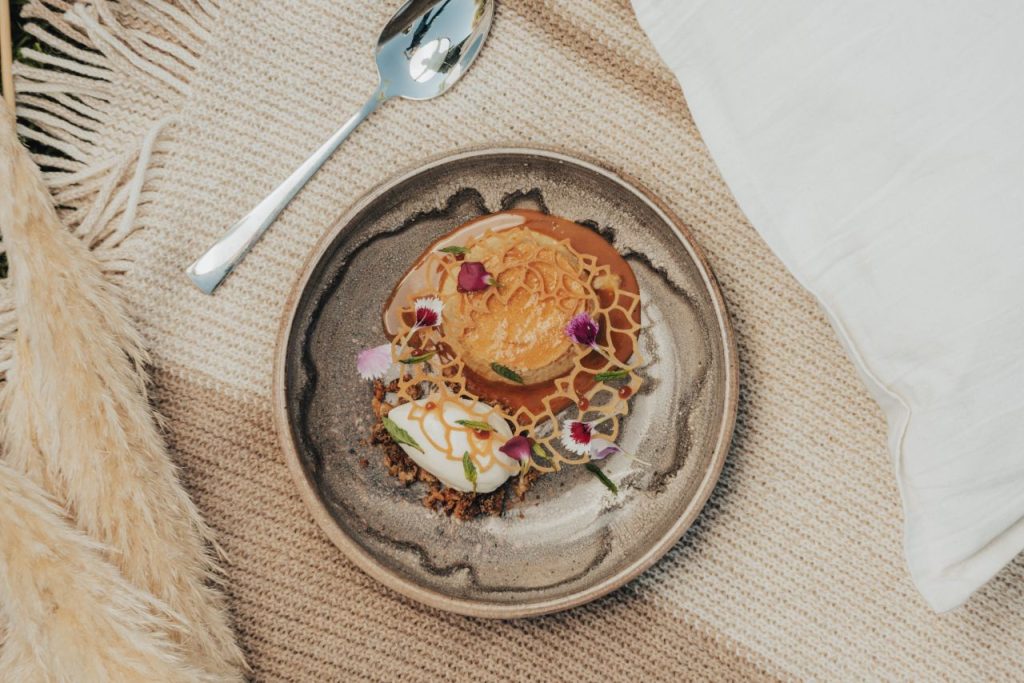
Then, there are dishes that might be baked in the log-fuelled clay oven, grilled over embers, or pan fried, but are always cooked over live fire. Of particular note are squid with panca chilli pepper and za’atar, beautiful heirloom tomato salad (when it’s the season) and the halva créme caramel, its dark and mysterious hues brightened by a dollop of whipped cream. The latter is all the more notable because I am not a pudding person.
The other great omissions by my count are basically any restaurant located between 33º and 34º south, better known as Mendoza’s Uco Valley. There are several five-star hotels in Uco, including the Vines of Mendoza, Casa de Uco, and La Morada Lodge. Each hosts demanding guests who not only want to drink top-notch wine and dine extremely well, but also indulge in luxurious spa experiences or Andean horseback riding.
While it’s a relatively well-known fact that chef Francis Mallmann is anti-awards, it seems curious that his unique outdoor cooking experience Siete Fuegos wasn’t given a wink (although his restaurant 1884 at Escorihuela Gascón is in there). Hornero at La Morada has been picking up regional dining awards for its two-tiered approach to open fire cooking, as has its sister restaurant in Buenos Aires, Uco (both led by the same chef).
Two indie operations that aren’t associated with either a hotel or a winery — veggie-driven Ruda in Gualtallary and Cundo in Altamira — are both run by professional teams serving excellent short tasting menus. All have been overlooked.
As for Piedra Infinita, the restaurant at Bodega Zuccardi is a key part of the winery’s experience: Zuccardi was named World’s Best Vineyard for three consecutive years by 50 Best. Yet Michelin has waltzed past, nose in the air, not even considering selecting them for “good cooking.”
My gut instinct is that the inspector/s never even made it to Uco Valley. It seems impossible to ignore the restaurant of a winery that took a hat trick of Best Vineyard awards. If a taquería in Mexico City can pick up a coveted red star for “high quality cooking,” surely restaurants championing Argentina’s beef-led gastro heritage paired with 100-point Malbec at least merit a recommendation for “good” cooking?
