
 Christopher Martin
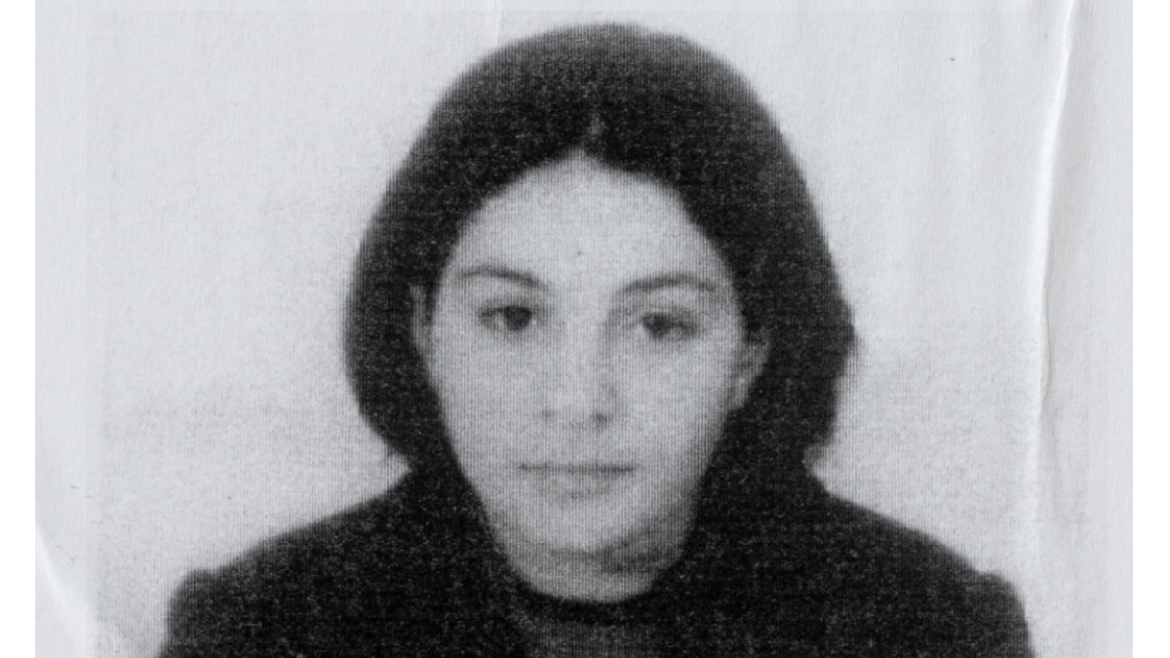
 An unidentified body buried in an Avellaneda cemetery has been identified as 21-year-old Virginia Beatriz Tempone, who was murdered by Argentina’s last dictatorship 48 years ago.
The Argentine Forensic Anthropology Team (EAAF, by its Spanish initials) announced that they had identified Tempone on Tuesday afternoon.
Tempone, a law student and political activist, was kidnapped from her second-floor home in Mar del Plata on January 26, 1977. During human rights trials after the dictatorship, witnesses testified that they had seen her at the Batán police station close to Mar del Plata and the ‘Brigada de Investigaciones’ clandestine detention centre in La Plata.
It is assumed she was then taken to Avellaneda and murdered along with two other people on April 5, 1977, at 3 a.m. before being buried on April 19, 1977 in the Avellaneda Municipal Cemetery.
In 1986, the team began exhuming mass and individual graves at the cemetery in Avellaneda that had been used to bury unidentified people between 1976 and 1978.
Decades after three bodies were exhumed from a grave, the EAAF identified two victims: Guillermo Enrique Pérez (2008) and Carlos Alberto Waitz (2012), a spokesperson told the Herald.
Based on information about Pérez and Waitz’s disappearance and bodies found in public at the time, the team developed the hypothesis: the third body could be that of Tempone.
You may also be interested in: Bringing justice to victims worldwide, one bone fragment at a time
“The obstacle was that we lacked blood samples from the Tempone family,” the spokesperson said. “Through research, we were able to locate the family in Spain, take the samples, and identify [her].”
After her remains were identified, they were transferred to Alicante, Spain, where her family lives.
The EAAF was founded in 1984 in Argentina to provide support to families and evidence to the courts in the recovery, identification, and restitution of victims of enforced disappearance during the illegal repression between 1974 and 1983. They have recovered more than 1,400 bodies of victims from that period, who were mostly buried as ‘unknown persons’ in municipal cemeteries. They have identified more than 800 individuals since their foundation. Their work, not limited to Argentina, has conducted research on behalf of victims’ interests across the globe.
