
 Buenos Aires Herald
* Ignacio Vivas is the vicepresident of Grupo Indalo
As 2024 draws to a close, the Argentine economy is looking back at a year marked by considerable challenges, particularly in the initial months. Amidst this turmoil, however, the country has made significant strides in its goals of stabilizing macroeconomic variables and fostering a sense of order, which is crucial for future progress. The path to achieving these goals has been challenging, but the signs suggest that Argentina is on the right trajectory toward economic recovery and growth.
The year began under dire economic circumstances, with high inflation rates weighing heavily on consumers and businesses alike. The economic uncertainty created a challenging environment for investment and growth. Nevertheless, the government implemented a series of measures to restore macroeconomic stability. The results of these initiatives are beginning to appear, proving the importance of stability when it comes to creating an environment where businesses can thrive.
Greater economic stability translates directly into increased certainty for businesses. In an unpredictable economic climate, companies often hesitate to make significant investments or long-term commitments. However, as inflation rates stabilize, confidence is starting to return to the Argentine market. This newfound certainty is key for revitalizing the business environment, encouraging local and foreign investors to expand their operations, create jobs, and innovate. With clearer guidelines and lower risks, businesses can focus on growth rather than merely surviving in a tumultuous landscape.
Argentina holds vast potential for global markets, particularly in the agriculture, energy, and mining sectors. The country is rich in natural resources, making it a prime candidate for agricultural exports. From the fertile Pampas that produce high-quality grains to a wine industry known for its exceptional varieties, Argentina can meet the growing global demands for food. Additionally, the energy sector presents significant opportunities for the country to develop renewable resources. The expansion of wind and solar power as viable energy sources can position Argentina as a regional leader in green energy, attracting investments while also addressing environmental concerns.
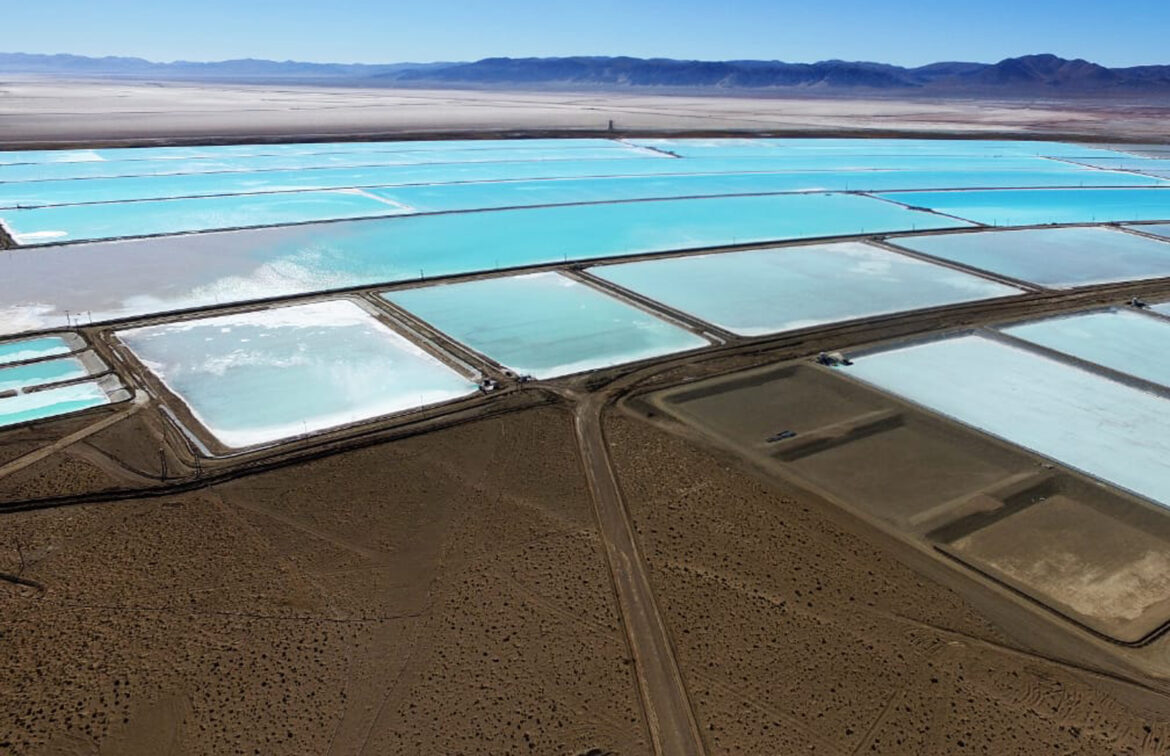
Moreover, Argentina’s mining sector stands out as an area with strong development potential, particularly given the global shift toward technologies like sustainable batteries, a field in which lithium plays a key role. With its abundant reserves of this mineral, Argentina is well-positioned to cater to the burgeoning industry of electrical vehicles. Leveraging its rich geological diversity can boost the economy and help establish a sustainable industrial base that generates jobs and facilitates the transference of technology.
All this potential is anchored in Argentina’s human capital. The country boasts a well-educated workforce bursting with creativity, adaptability, and a strong entrepreneurial spirit. These attributes are essential for fostering innovation and entrepreneurship, which drive economic growth. By investing in education and skill development, Argentina can further enhance the capabilities of its workforce, ensuring that it is equipped to meet the demands of emerging industries and global markets.
However, achieving lasting macroeconomic stability will require persistent efforts to tackle long-standing challenges. Key steps include permanently removing currency controls, a significant barrier to investment and economic fluidity, along with a definitive approach to tackling inflation. By implementing sound monetary policies and strengthening fiscal responsibility, the Argentine government can create an environment where inflation is kept in check and purchasing power is restored.
Furthermore, increasing the financing flow for companies will be vital in ensuring that businesses have access to the resources necessary for expansion and innovation. This financing will not only support existing firms but will also foster new enterprises that can drive economic diversification and resilience.
Training human resources to improve competitiveness in key sectors is equally crucial. By enhancing the workforce’s skills, Argentina can ensure its employees are prepared for future industries, thus driving productivity and improving the overall economic output.
Looking forward, Argentina’s future appears optimistic. The steps taken in 2024 herald a new era of potential, where the foundations could lead to sustained economic growth. As global markets evolve, Argentina’s focus on its competitive advantages — agriculture, energy, and mining — ensures that it remains a significant player on the world stage. All these aspects will increase the private sector’s confidence in investing in Argentina, leading to economic growth.
A brighter economic landscape is not merely a possibility but an attainable goal that can be realized through continued commitment to reform and innovation. By focusing on stabilizing the economy and leveraging its strengths, Argentina is poised to embrace a future filled with promise and opportunity, creating a prosperous environment for future generations.
