
 Estefanía Pozzo
At the beginning of this year, before the U.S. Securities and Exchange Commission (SEC) approved the listing of the first Bitcoin funds, the crypto asset industry could never have imagined that this would be a historic year.
Several events will mark 2024 as a watershed moment: the SEC’s green light to allow the listing of Bitcoin ETFs on the New York Stock Exchange and, months later, the permission to list and trade options on the same exchange to facilitate hedging. The downward trend in interest rates initiated by the Federal Reserve in September also opens the door for capital to flow back into the tech world.
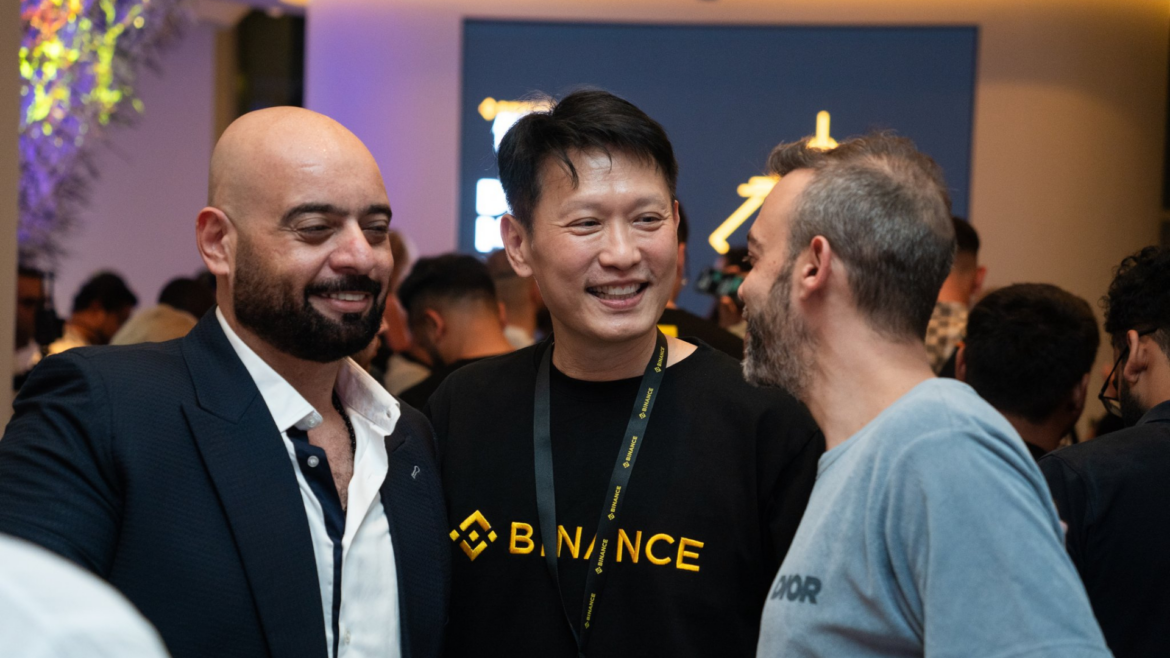
In this unmatched context for the crypto asset world, Binance, the largest crypto exchange in the world, will host a conference in Dubai to showcase the latest advancements in what the tech sector calls Web3. Enthusiasts claim it represents a new era of the internet, where decentralization enabled by blockchain will streamline the financial world with global transaction solutions in seconds, meeting high standards of security and privacy for users.
The agenda includes a series of discussions and presentations by industry leaders, such as Richard Teng, chief executive officer of Binance; Christian Rau, vice president of crypto and fintech enablement at Mastercard; Serge Kuzmin, head of financial services at Google; and Nikhil Rolla, head of vertical, app and fintech at TikTok, among others. There will also be space for innovation and seed-stage projects, which require not only investments but also platforms to promote new uses of blockchain.
Topics will cover all blockchain applications, going beyond financial assets, including tokenization, regulation, gaming, technological infrastructure, and decentralized finance.
One of the highlights of the conference will take place on October 31, when Jeremy Allaire, CEO of Circle (the company that issues the USDC stablecoin), and Jessica Walker, global media and content lead at Binance, will discuss the future of digital currencies.
This discussion is fundamental to the current and future economy. The Federal Reserve, the European Central Bank, and the Bank of England are all currently analyzing the implementation of digital versions of the dollar, euro, and pound.
While traditional institutions seek to bring fiat money into a digital era, the industry is already contemplating uses for the coming decades.
