

 Buenos Aires Herald
A Buenos Aires City federal court sentenced former Artillery Group officers Alejandro Federico Sálice and Roberto Horacio Sifón to life in prison for crimes against humanity committed during the latest military dictatorship (1976-1983). Both men were also barred from public office.
Sálice was convicted of being a co-author on 26 charges of homicide, kidnapping, violence, threats, and repeated torment against 28 victims. Sifón was found guilty of being a necessary participant on all charges.
Judges Ricardo Ángel Basílico, José Michilini, and Adrián Grunberg said the offenses were crimes against humanity and therefore did not have a statutory limitation, adding that they were “committed within the framework of the genocide perpetrated in the country between 1976 and 1983.”
The trial was dubbed “Sheraton IV”, as it is the fourth legal procedure to deal with crimes committed in a clandestine detention center nicknamed “Sheraton” in Villa Insuperable, a Buenos Aires province low-income neigborhood.
Both of the accused used their right to give the court a final statement before the verdict was announced.
“I plead total innocence. None of the charges I am accused of are true, nor is there any evidence to prove them. Everything I have heard is unsubstantiated conjecture,” said Sálice, adding that he spent his career “in accordance with the regulations, directives and laws of those times.”
“There are laws, regulations, and orders of that time that later changed, and that is not being taken into consideration,” he said. “This is to say that we would have to consider things according to what happened at that time,” adding that he was being judged “only for having been a military officer at that time.”
Sifón also maintained his innocence. “My role was never related to illegal activities. I never knew of staff activity related to crimes like the ones I’ve heard here.”
The victims that were taken to the “Sheraton” clandestine center were mainly housed in the dungeons of the police station. The room was separated from the rest of the facility.
Sociologist Roberto Carri, comic book writer Héctor Germán Oesterheld, filmmaker Pablo Szir, and teacher Ana Caruso, among others, were detained in this center.
The detainees who were transferred to this clandestine center were subjected to different types of torture, including electric prods applied to sensitive body parts and beatings, as well as insults and death threats.
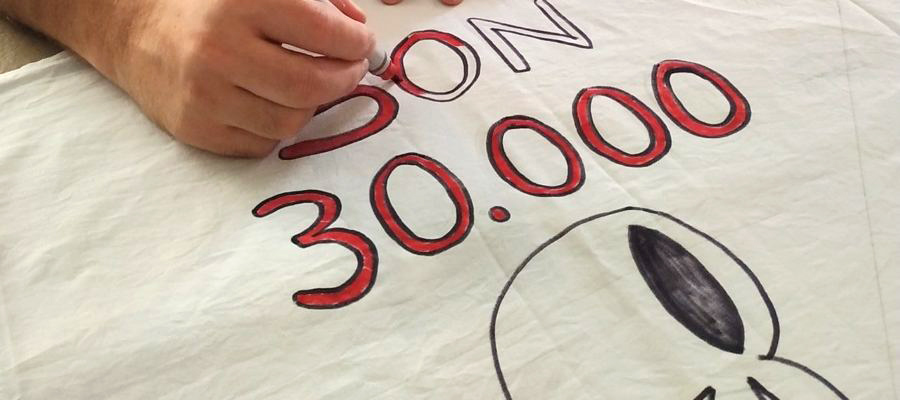
The prosecution argued that the latter were part of psychological torture, which included submitting prisoners to the cries of suffering from other victims being tortured. These clandestine centers were part of a systematic plan against the opposition during the dictatorship, which kidnapped, murdered, and disappeared 30,000 people.