

 Buenos Aires Herald
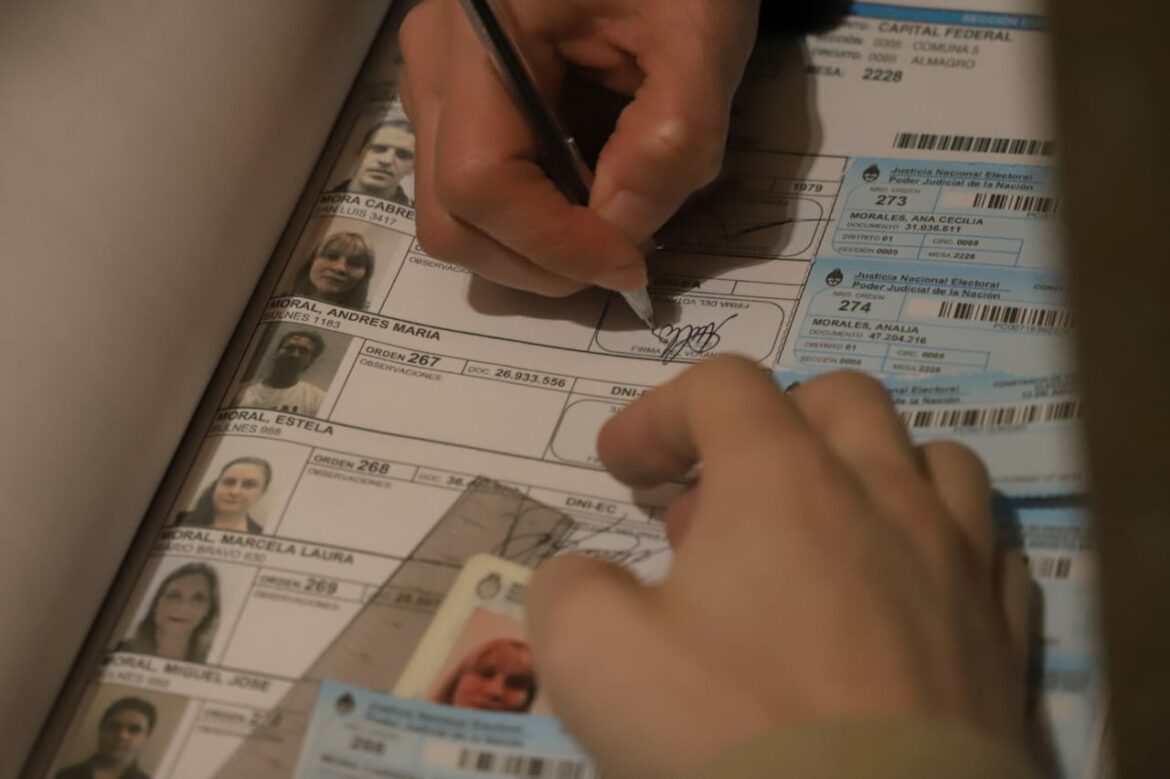
Most Argentines finished voting at 6 p.m. on Sunday in the national primaries known as the PASO (Spanish for Open, Simultaneous and Mandatory Primaries). Some polling stations in the capital extended their opening hours by an hour and a half due to lengthy delays.
The first results are expected between 10 p.m. and 10:30 p.m., electoral sources told the Herald.
Voter turnout was 68.7%, higher than in the 2021 presidential primaries when 66.2% of voters cast their ballots. However, that year voter participation was lower due to the pandemic. In previous primary elections, it was consistently over 72%.
“Once the vote for the national election is finished, the count for the electronic ballot starts,” said Presidency Secretary Julio Vitobello. “Only when that is finished will the release of preliminary results begin. That will delay the arrival of the data.”
“You will need to be patient.”
In a televised address at 6:20 p.m. Vitobello explained that delays in districts including Buenos Aires city will slow down the vote count and the announcement of results. He attributed the delays to the electronic voting system and the large number of candidates on the ballot.
Vitobello thanked poll workers, security forces, and the postal services all over Argentina. He highlighted that in some remote areas of northern Argentina, ballots were delivered by mules.
Some polling stations in Buenos Aires City remained open until 7.30 p.m. because the delays had left voters waiting outside the school gates at the 6 p.m. cutoff despite queuing for hours.
In addition to presidential and vice-presidential candidates, the PASO will also determine national deputy and senator candidates for every coalition. Buenos Aires, Catamarca, Entre Ríos, and Santa Cruz provinces also have primaries for governor, provincial legislators, and other local authorities, while Buenos Aires city will hold primaries for mayor and city legislators. All PASO winners will compete in the October 22 general election.
You may also be interested: Here’s why Argentina’s primary elections are so important
Delays in Buenos Aires city
A slew of technical problems with the electronic voting machines Buenos Aires City used to choose local authorities caused delays in the voting process in the city. BA city residents had to vote using two systems, given that the vote for national authorities is done with paper ballots.
BA city residents reported having waited up to two hours in some voting centers.
Earlier Sunday, Servini sent a letter to the National Electoral Chamber warning of problems with the electronic voting machines. In her statement, Servini said people on her team had verified that some machines didn’t work, while other voting centers had them but were unable to get them running or test them.
“The degree of improvisation displayed by the company in charge [of providing] the voting machines, as well as that of the Electoral Management Institute of Buenos Aires city is worrisome, showing a lack of expertise in the organization and running of an electoral process that has never been seen before,” wrote Servini.