
 Buenos Aires Herald
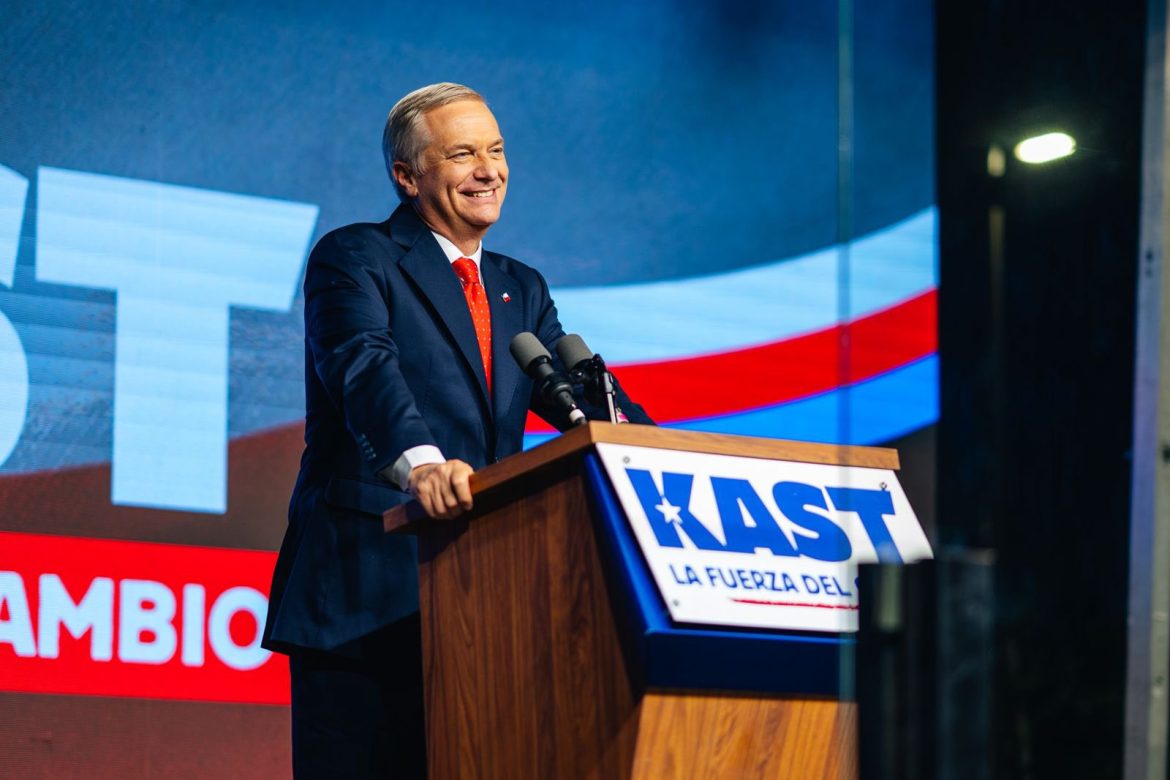
Right-wing leader José Antonio Kast took office as Chilean president on Wednesday. The transfer-of-power ceremony took place at 12 p.m. at the National Congress in Valparaíso, an hour and a half from the capital, Santiago.
Twelve heads of state were present, including Argentine President Javier Milei, Rodrigo Paz of Bolivia, Daniel Noboa of Ecuador, Santiago Peña of Paraguay, and Yamandú Orsi of Uruguay.
However, the biggest talking point were the missing figures, particularly Brazilian President Luiz Inácio Lula da Silva.
Lula was expected to attend after he and Kast met just two months ago in a regional summit in Panama, but some have speculated that Kast’s decision to invite the son of former Brazilian President Jair Bolsonaro led to Lula’s withdrawal.
Two other Latin American left-wing leaders were also absent, with Claudia Sheinbaum from Mexico and Gustavo Petro from Colombia also not travelling.
The right-wing president of El Salvador, Nayib Bukele, also missed the event, which Vice President Félix Ulloa attended in his place. There were also no officials from Donald Trump’s administration present.
Chile swings right
Kast’s arrival will mark a big swing for the Andean country. The far-right candidate, who beat Jeannette Jara in the December 2025 presidential run-off with 58% of the votes, campaigned on tougher border controls, fighting organized crime, cutting taxes for businesses, and reducing public spending.
Kast will take office in a very different world from when he was elected. The U.S.-Israel joint attack on Iran is bound to hit Chile, one of Latin America’s largest oil importers, as the prices of crude oil keep rising.
The new president’s agenda will focus on public safety and immigration control, two issues that have dominated Chilean political debate in recent years. Official figures show a drop in the homicide rate from 6.8 per 100,000 inhabitants in 2022 to 5.4 in 2025, but the perception of insecurity remains high among the local population.
Another key point will be irregular migration. The new government has promised to prosecute and expel those who enter the country irregularly. Chile has tense relations with Venezuela, and neighboring countries such as Peru and Bolivia have been reluctant to accept expelled migrants.
According to data from the International Organization for Migration (OIM, for its Spanish initials), there are currently around one million Venezuelans living in Chile, most of whom are regularized and contribute an estimated 1% of tax revenue.
