
 Buenos Aires Herald
Two more Latin American countries are now part of the BRICS economic bloc of developing countries. After being accepted at the bloc’s summit in Russia last October, Bolivia and Cuba’s status as “partner countries” became official on January 1, 2025. Partner countries are not full members but are considered to be on track to eventually become one.
Bolivian President Luis Arce took to social media to announce the news. He posted a message on X, including the picture of a letter Russian Foreign Minister Sergei Lavrov sent his Bolivian counterpart, informing them of their formal inclusion on the first day of the year.
“This adhesion not only opens new doors for our country but also positions us to amplify and diversify our commercial relations in a vibrant and growing market,” Arce wrote. He added that in an “uncertain world,” being a part of BRICS will allow Bolivia to “protect its heritage” and become an actor within a bloc of emerging economies with “immense potential.”
Although Cuban President Miguel Díaz-Canal did not comment on the formal inclusion, he did post a message back in October showing his satisfaction with the decision to be added to the bloc. “Cuba is honored to become a BRICS partner country […] on the hard path to a more just, democratic, fair, and sustainable world order,” he wrote on X.
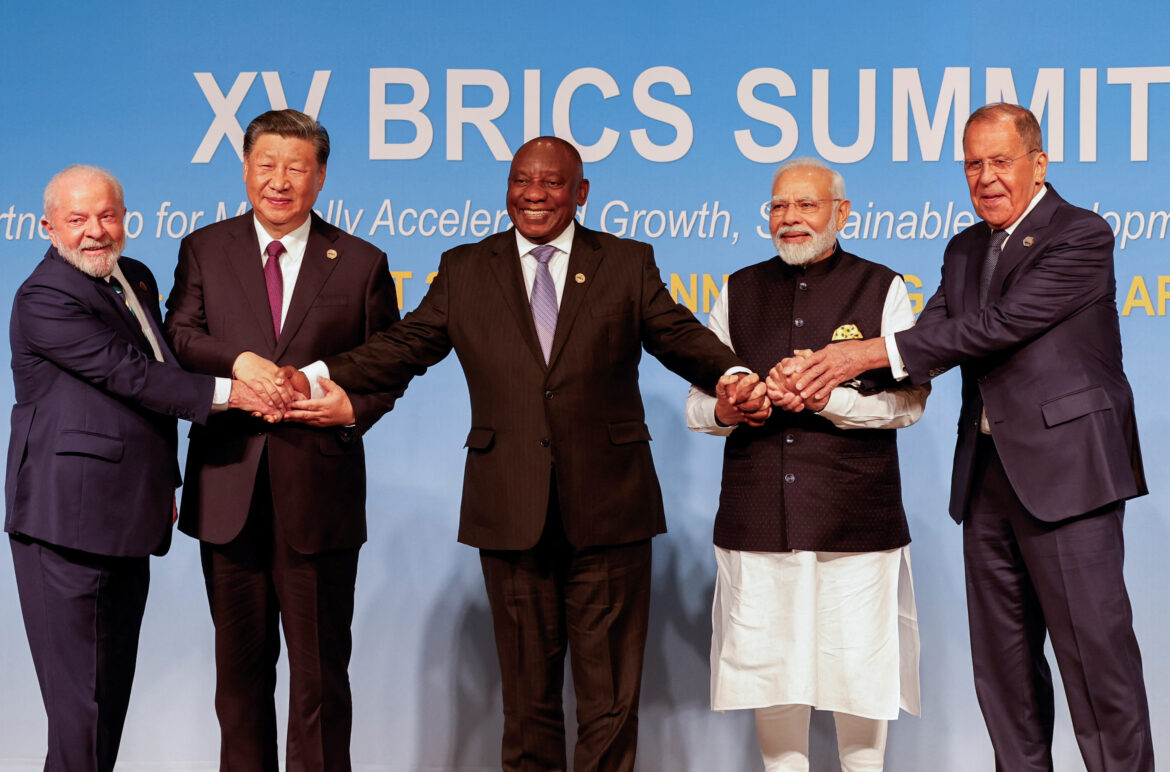
The BRICS is a bloc created in 2009 that focuses on boosting economic and trade cooperation between member countries. The term “BRIC” arose in 2001 to describe the four emerging economies with the potential to take protagonism in the global market, which would become the original members of the bloc (Brazil, Russia, India, and China). The “S” was added when South Africa became a member in 2010.
Current member countries also include Iran, Egypt, Ethiopia, and the United Arab Emirates. Aside from Bolivia and Cuba, the other partner countries are Belarus, Indonesia, Malaysia, Nigeria, Thailand, Turkey, and Vietnam.
Under the Alberto Fernández administration, in 2023 Argentina was formally accepted to become a full member of BRICS. However, after winning the elections that year, President Javier Milei reneged on the commitment. His government sent letters to the presidents of Brazil, Russia, India, China, and South Africa informing them that Argentina would not be joining the economic bloc, given that the administration did not consider incorporation “appropriate” at that time.
