

 Luz de Sousa Quintas
 Julio Báez came to Buenos Aires from his hometown of Chacabuco at the age of 18 to study biochemistry. Within a year and a half, he dropped out. Instead, he studied cooking. Báez later worked in several restaurants and hotels, including a stage at Mauro Colagreco’s iconic Mirazur in France.
Then, in 2019, Baez plowed all his savings into his own venture, Julia, in Villa Crespo, Buenos Aires. It paid off: in 2022, the 50 Best organization deemed Baez’s restaurant one of the finest in Latin America. This prompted Julia to set up a waiting list for people eager to snag one of its coveted 22 dining spots. In 2024, Julia received a recommendation in the Michelin Guide.
Through time, effort, technique, and passion, a project with just Báez in the kitchen and one person waiting tables turned into a runaway success.
With Julia already thriving, Julio decided to up the stakes. In late 2022, he partnered with a friend to open Franca. His second restaurant, based on firewood grilling and wines, also received Michelin recognition — but Argentina’s tough economic situation, which is bruising the service industry, forced Franca to close down in June 2025.
Baez chatted to the Herald about his projects and Argentina’s restaurant scene. The following interview has been slightly edited for length and clarity.
What made you decide to close Franca?
We had a very large structure, and we weren’t bringing in the number of customers we needed to cover costs. While it had a certain volume of patrons, it wasn’t enough, and we’d been spending our own money to cover everything for a few months. And we’re not talking the last two months, we’d been going on like that for quite some time, so we had to make the decision to close before we bled out.
What’s your take on the restaurant scene in Buenos Aires? On one hand there is a big drop in people’s consumption levels, but at the same time there are a lot of new places…
We’re all in a similar position, trying to circumvent a sort of crisis. Two years ago, we had up to three shifts per night. It’s temporary. Argentina is cyclical, and we’re used to surfing over crises. I think quality should never be lowered, especially at a time when there’s such an offer and variety. Right time or not, you need to be clear about your goal and have good produce and service.
What was opening Julia like?
Maybe I wasn’t fully aware, or I was reckless, but when I opened Julia in 2019, it was also during a recession year. I was just starting and served three or four diners a night. There were just two of us: me in the kitchen and another person in the salon. That helped me move forward on more solid ground later, because when you know how many people come to dine every day, you know your revenue and costs, and you know whether you can hire another person. That’s how our team grew to 10 people.
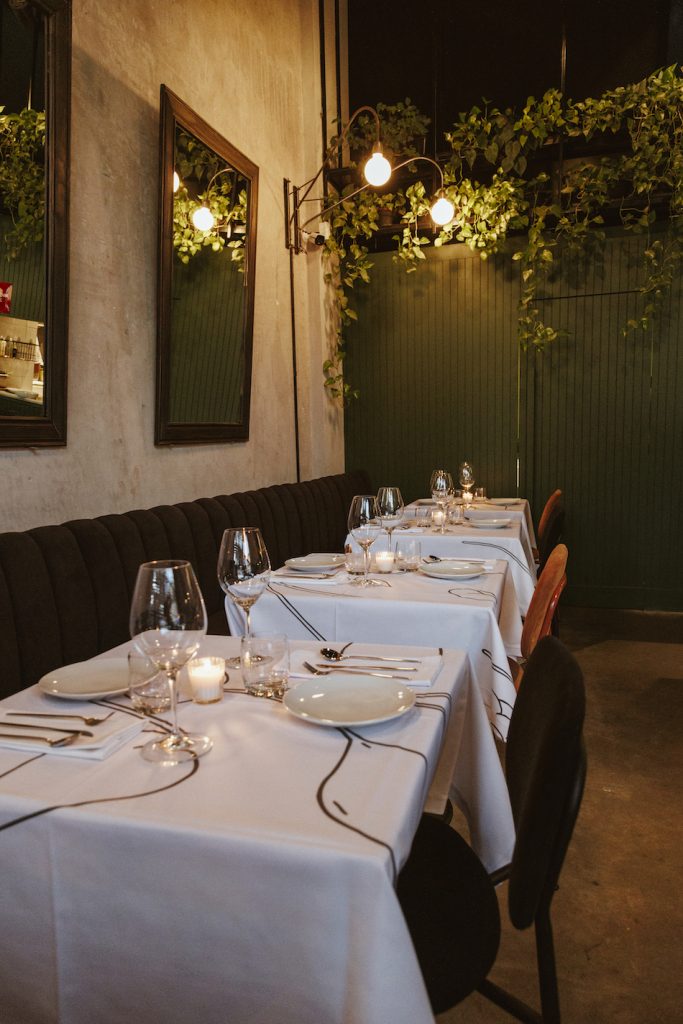
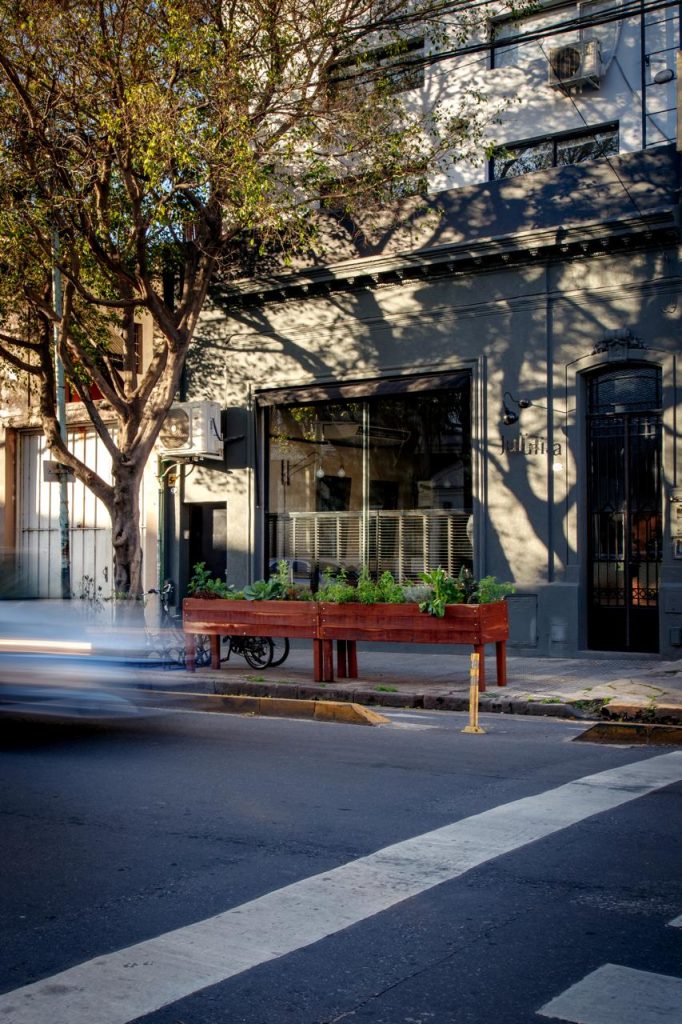
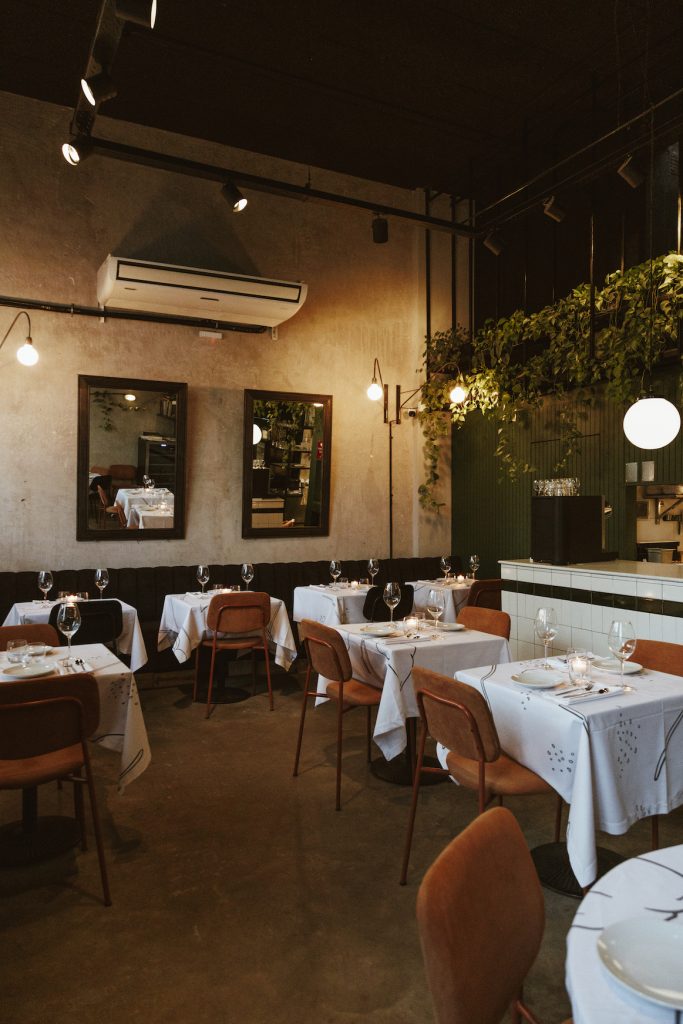
Is the Julia you opened back in 2019 the same one you run today? Have you kept the concept, or has it evolved?
I think it’s evolved. When I opened, I had a menu that could be delivered by a single person. I did everything in the kitchen, so I used preparations that were slightly simpler, yet very tasty, because that was always the soul of Julia. Now that we have more hands on deck, it has evolved into making more things on-site. We make our own vinegars and yogurts, and we’re more on top of the preparation process and the plating. We also look for more producers, and I take my time choosing products.
How would you describe Julia’s cooking?
I never really knew how to describe it until I came up with the idea of calling it indie, because of our creative freedom. I worked with a French chef for seven years, and I really like French cooking, but I also love Italian. I don’t like to get too attached to the notion of one single cooking style. Julia’s cooking is creative, and our luxury is the seasonal product, which is always local and with a twist.
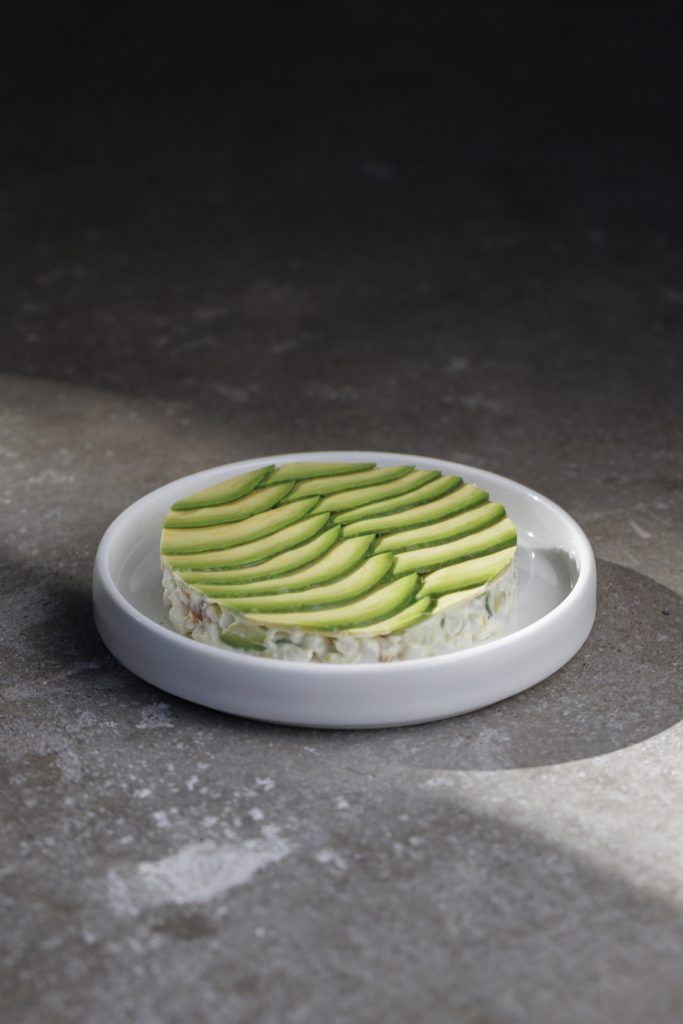
We have a dish we’ve been doing since we started with avocado, squid, and yogurt, three ingredients you’ve already tried a million times separately and you know how each one tastes, but here you’ll find them like you’ve never tried before. That’s the charm of Julia: you’re going to try ingredients you’ve eaten before, but not like this.
Have any dishes been on the menu since the start?
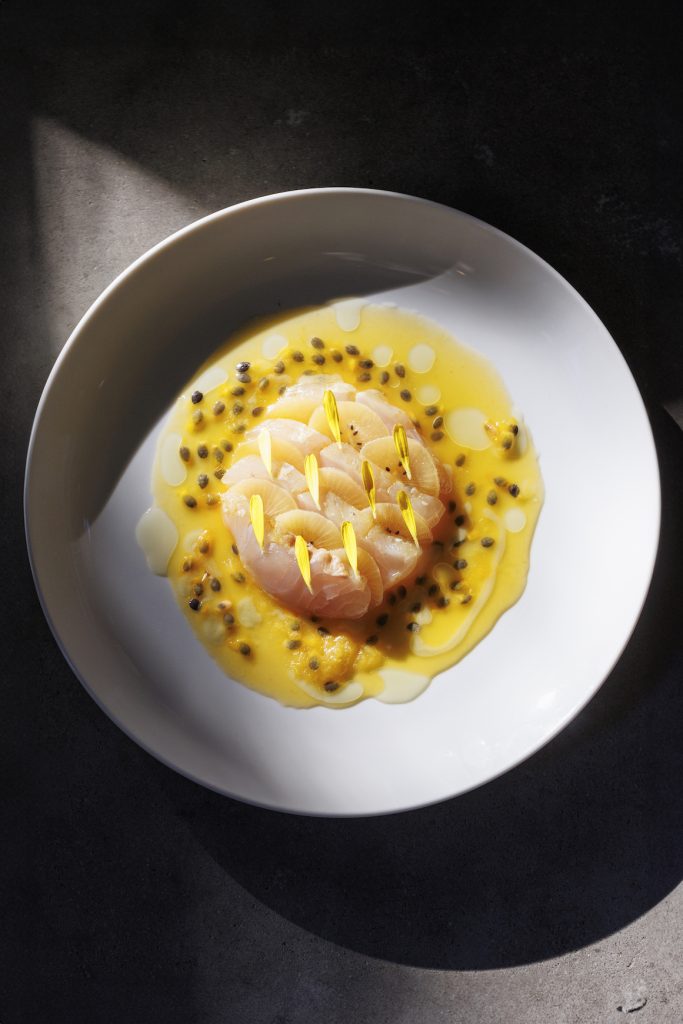
The avocado has been there the longest. The paté was there for a while too. It was a hit, but then we took it off — people still ask for it. We used to serve that with a seasonal fruit chutney and Jerusalem artichoke chips. And since we couldn’t get Jerusalem artichoke all year round, we changed it to Andean baby potato chips. We currently have a dessert that we’ve made ever since I opened: a curry ice cream with a yellow fruit salad, served with chamomile-infused honey and other yellow ingredients. I like to play with monochromatic elements sometimes.
How often do you change the menu?
It changes every season. The proteins might not change that often, but the vegetables do. I go to Barrio Chino [Buenos Aires’ Chinatown] every week, and if I spot something I like and want to try, I bring it back. The menu is usually printed 15 minutes before service, in case of any last-minute changes. I think that’s super fun: the freedom to say, “I want to make this today, and there are only six portions.” You might come in and find a dish that’s only there that day!
How does the Buenos Aires restaurant scene compare internationally?
We’re at a very fine level. I was in New York recently, and we have nothing to be jealous of. I’ve even seen far better offerings here than there. More and more places are working with better-quality produce, which is making the Buenos Aires and Argentine restaurant scene grow. Also, the arrival of the guides, whether it’s the Michelin or 50 Best, helps make the scene here visible, and that empowers restaurants to work with better produce.
Does Buenos Aires cuisine have its own identity?
The lively part of Buenos Aires cuisine lies in the bodegones: milanesa, tortilla, pasta… dishes you’d describe as “foreign,” but which were brought by immigrants to the port of Buenos Aires and adapted to local produce. We don’t have very strong roots in the typical sense of local cooking. We make immigrant cuisine, with plenty from Spain and Italy.

What’s your favorite local dining habit here?
I like going to a cafe. But I mean a neighborhood cafe, the kind of old cafe on a corner that serves burnt coffee. I like that nostalgia of sitting down and reading the newspaper, because I used to do it in Chacabuco, my hometown. I don’t do it here in Buenos Aires, but I also like the specialty coffee places. A new Surry Hills just opened in Las Cañitas, near my home, and I love it.
Where do you eat on weekends?
I really enjoy C.A.N.C.H.A. Pizza on Sundays. Also Oli, El Preferido, and Corte Comedor. And I stay home a lot, even though I like eating out.
What restaurants would you recommend outside Buenos Aires?
I really admire Javier Rodríguez’s El Papagayo in Córdoba. I think the way he cooks is incredible, and their aesthetics are beautiful. In Mar del Plata, Lo de Fran and Lo de Tata are very good and very tasty. And in Mendoza, I love the work of Sebastián Weigandt (Azafrán) and Juan Ventureira (Riccitelli).
Julia Restaurante
Loyola 807
Buenos Aires
