
 Danielle Ames
 It was the end of a long workweek and journalist Ariel Stemphelet stepped into his apartment and felt a headache starting for the third day in a row. The temperatures were dropping in Buenos Aires and he couldn’t get warm, so he closed off the entire house, including shutting a small window near the water heater. A few hours later he was leaning against the bathroom wall struggling to even stand up.
“My vision just went white — blank. It was blinding. I felt overwhelmed by the light. My heart was pounding so hard I could hear it in my ears,” Stemphelet told the Herald. “It was horrible. I stood there in silence for about a minute, leaning against the wall, trying to pull myself together.”
Stemphelet and his partner, who felt equally ill, realized that something wasn’t right in the apartment. They opened a window and stuck their heads out, gasping for air before they were hospitalized. Little did they know, but they were among the many Argentines who fall seriously ill each year from carbon monoxide poisoning.
“Carbon monoxide is known as the ‘silent enemy,’ it can be lethal, though it is also preventable,” Hernán Chiesa, head of press and communications at MetroGAS, told the Herald.
Carbon monoxide is a gas produced by the incomplete combustion of natural gas or other carbon-containing products such as coal, wood or fuels. It is highly toxic and affects the body depending on the length of exposure. It enters through the respiratory system and has no smell or taste, and is not irritating.
Exact numbers of how many carbon monoxide poisonings there are each year are difficult to come by, as minor cases often go unreported. However MetroGAS emergency personnel responded to 23 carbon monoxide incidents in Buenos Aires in 2023, with 92 people poisoned and 15 deaths. In 2024, they reported 39 incidents in Buenos Aires, with 106 people poisoned and 11 deaths.
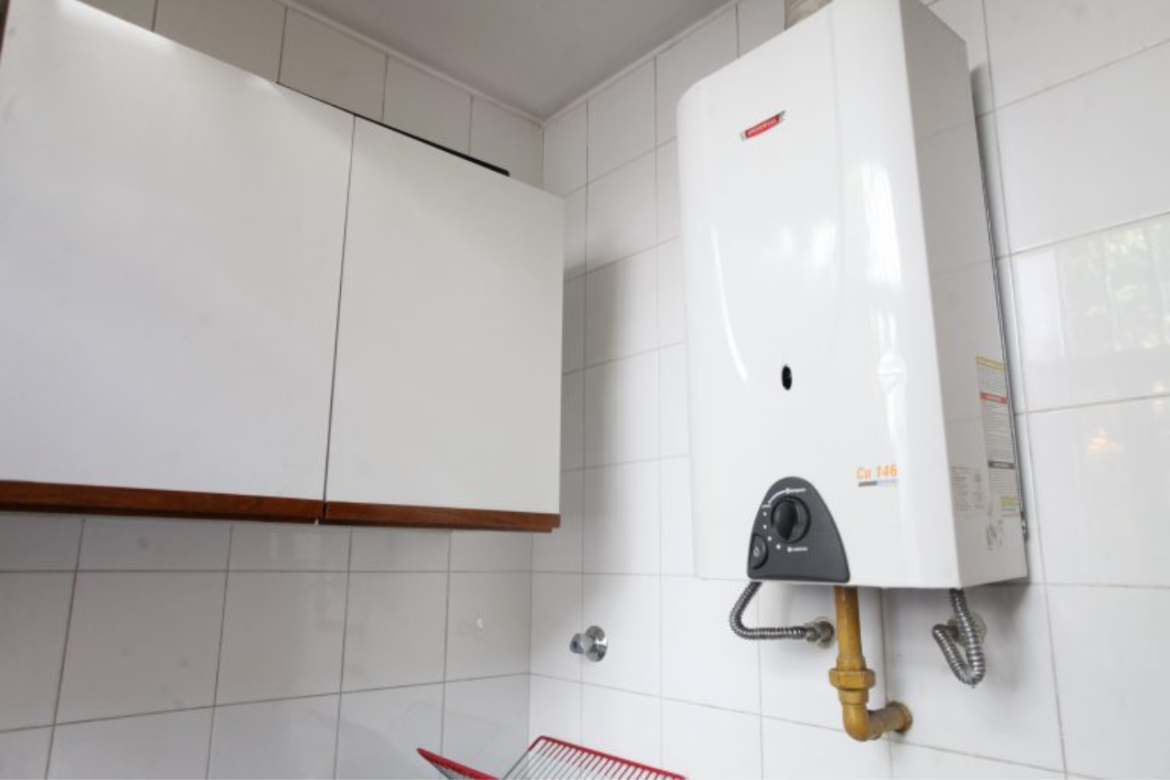
The appliance that causes the most carbon monoxide poisoning are water heaters, Chiesa said. He added that the most frequent issues are faulty gas ventilation ducts or the ducts becoming obstructed over time. Problems can also arise due to incorrect installation of water heaters, or malfunctioning of the device itself.
While they’re far too common, these incidents are completely preventable. Here’s what Chiesa recommends in order to keep yourself and others safe:
- Call a licensed gas technician at least once a year to inspect appliances and installations. When the temperature drops and you want to turn on the heater, a check-up should be done to make sure it’s working properly. On the MetroGAS website there is a full list of licensed technicians.
- Check that the flame on your stove, water heater, boiler or heater is always blue and has a uniform shape. If it’s orange, you should turn off the gas and call for a technician to inspect the appliance.
- Don’t use appliances for anything other than their intended purpose. For example, don’t use a heater to dry clothes or an oven to heat rooms.
- Know the symptoms of carbon monoxide poisoning so you can act immediately. These include headache, nausea or vomiting, visual impairment, lethargy or confusion, loss of consciousness or seizures.
- In bedrooms, bathrooms or connecting areas, only install balanced draft appliances.
- Make sure to install ventilation grilles near open-chamber gas appliances.
- Ensure that the exhaust vents of water heaters, boilers or heaters leading outside are free from obstructions. An appliance that worked fine last year may be faulty this year.
“When it’s cold the first instinct is to close everything up, but that’s when you don’t realize it, and that’s kind of the catch,” Stemphelet said. It’s been about two years since his scare, and he’s installed a carbon monoxide detector in his apartment, and always leaves a window open.
“The doctors said that if we had gone to sleep that night, the chances of us not waking up were pretty high, because of the level of carbon monoxide in our blood.”
