
 Buenos Aires Herald
Visiting pre-Incaic pictographs, skiing on a volcano, or spending a day at a vineyard — Argentina has it all, and its villages are a testament to it. Now, the country’s towns have a chance to showcase their best features to a global audience.
The Argentine Subsecretary of Tourism selected eight villages to represent and compete in the UN Tourism “Best Tourism Village.” The initiative aims to highlight those villages where tourism preserves culture, celebrates diversity, provides opportunities, and safeguards biodiversity. The winners are set to be announced Thursday, November 14.
From the northern Puna down to Patagonia, these towns are located all over the country. They all have their own unique style and attractions, weather, flora, and fauna, but all with the same indisputable beauty.
Here is a rundown of the chosen ones and what they each have to offer.
Saldungaray, Buenos Aires
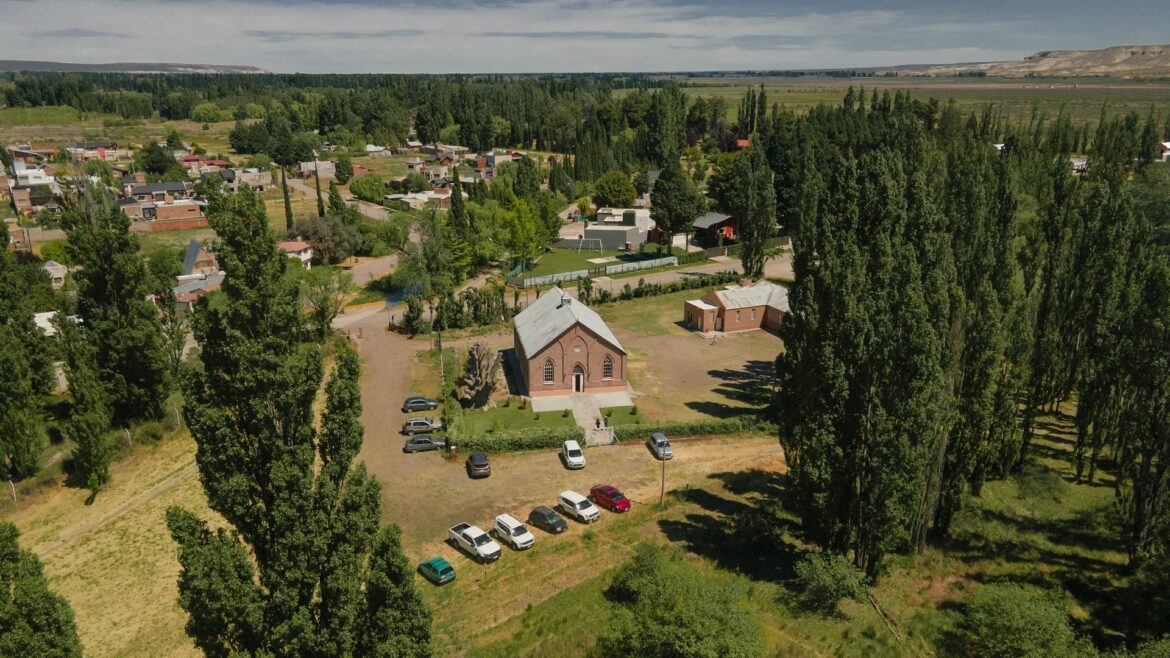
A small rural village in southern Buenos Aires province, it sits near Sierra de la Ventana, an area well-known for its historic, cultural, and natural riches.
What to do
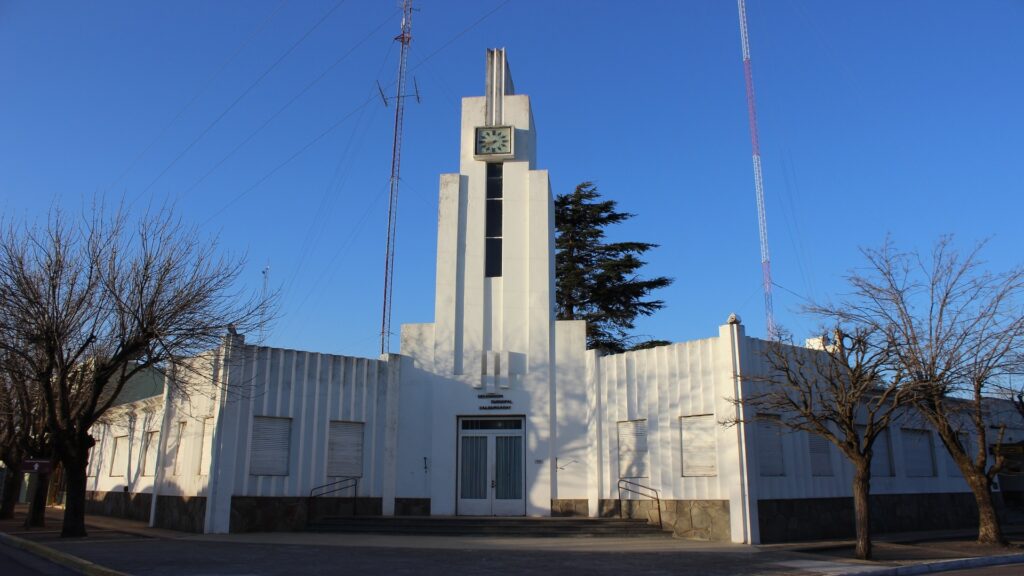
Francisco Salamone’s monumental art deco buildings are one of Saldungaray’s highlights, which include the city hall building and the cemetery. The area has also developed a solid circuit for wine tourism, with wineries offering tastings and tours.
The sites
Former Buenos Aires province Governor Juan Manuel de Rosas used Saldungaray’s military post, Fortin Pavon, during the Campaign to the Desert in 1833. The Provincial Park Ernesto Tornquist is a natural reserve that offers panoramic views of the mountains. If you’re into bird watching, don’t miss the Paso de las Piedras dam.
How to get there
Saldungaray is 100 km away from Bahia Blanca along provincial route 72.
Where to stay
Accommodation options in town range from camping sites to inns and cabins surrounded by mountains.
Local taste
Saldungaray’s specialties are its dairy products and local wines.
Gaiman, Chubut
This little village near Chubut’s capital Rawson is a stronghold of the Welsh community that spreads across Argentina’s southern provinces. Welsh history and tradition — with its museums, chapels, and tea houses — coexist with the culture and livelihood of the Mapuche indigenous community.
What to do
The best way to get a glimpse into Gaiman’s culture is to just walk around the streets of the village with its typical Welsh buildings, as well as the small family-managed shops that produce regional products like red berries, wines, and marmalades.
The sites
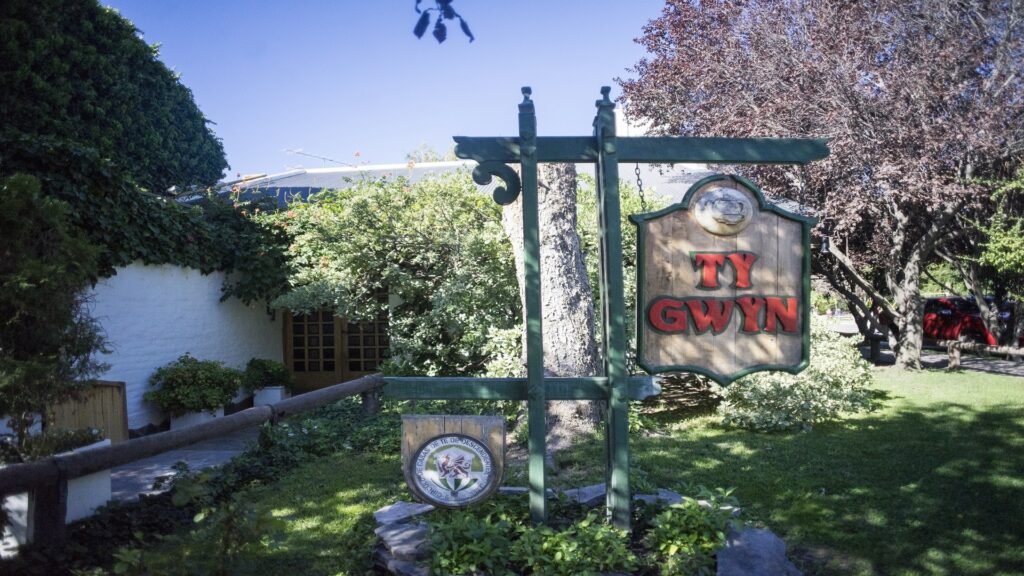
Gaiman’s First House and the Region’s History and House of the Poet museums are some of the highlights. There is also Bryn Wyn — Welsh for “White Hall” — a paleontological park featuring fossils of the local prehistoric species, where visitors can experience how field paleontologists work with species and sites that are over 40 million years old.
How to get there
Gaiman is located 17 km from Trelew and 80 km from Puerto Madryn, on National Route 25.
Where to stay
The village has hotels, inns, cabins, and camping sites, mostly located in the urban area and its outskirts.
Local taste
Welsh cake — of course! — is just one of the many regional pastry options you can try at local tea houses. Citron marmalade is also a must.
Caviahue-Copahue, Neuquén
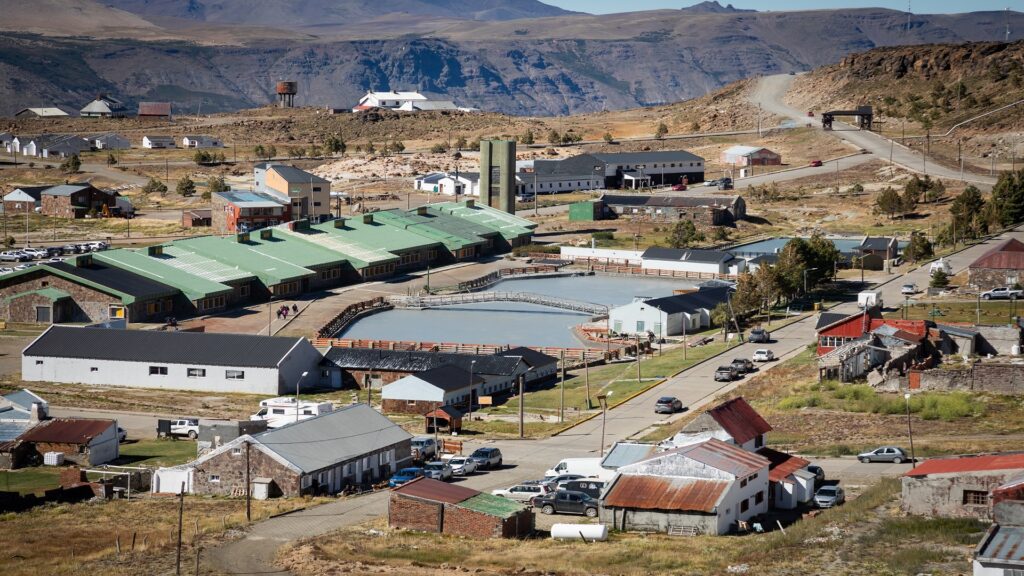
This town is located inside the Provincial Park Copahue, a protected area in the province of Neuque surrounded by rural settings where Mapuche and Creole communities live together. The Copahue features hot springs, an active volcano, acid lakes, and lagoons, as well as a forest of a millennial species of native trees called Pehuene.
What to do
The hot springs are a must, with over 20 types of unique mineral medicinal waters. Snow covers the volcano in the winter, enabling ski tourism as well as snowshoe walks and snowbike tours.
The sites
The village is the home of the “Salto del Agrio,” an impressive 45-meter waterfall of the Agrio river on the basaltic rock canyon. Two other nature and trekking sites are a natural rock bridge and a hidden lagoon.
How to get there
The village is a 364 km car ride from the capital city of Neuquen.
Where to stay
Accommodation options include temporary apartments, cabins, and hotels.
Local taste
The town’s gastronomy is based on regional products such as the pinion — the Pehuen’s fruit — and trout. They also have the “chivito al asador,” a barbecued meat option that was the first Argentine dish to acquire an origin denomination seal.
Villa Tulumba, Córdoba
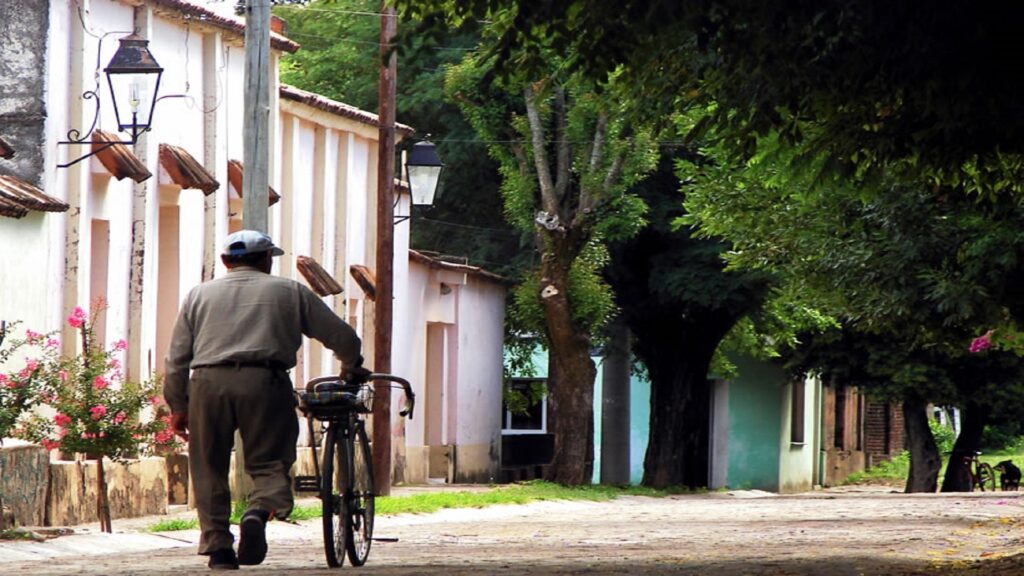
The oldest village in the whole province of Cordoba, it dates back to 1585. Its cobbled streets, period mansions, and ancient chapels will make you feel as if you were in an outdoor art museum. The town was part of the Royal Trail, an old 19th-century road that connected Alto Peru with the Provinces of the Viceroyalty of the Rio de la Plata.
What to do
The best option is to just take a stroll around town, where you will come across stunning old mansions like “Cuatro Esquinas” (Four Corners) or the “Casa de la Familia Reynafe.” Horse rides and guided walking tours are also fine options to see the village’s folklore and culture.
The sites
The village is home to an assortment of historic national attractions, like the Nuestra Senora del Rosario Chapel, which features the ruins of an old 17th-century chapel that used to sit in the same place. Also, the Interpretation Center of the Ancient Royal Trail to Alto Peru offers visitors information about the trail and its importance to the city’s creation.
How to get there
Villa Tulumba is 130 km from Cordoba capital city and 77 from Jesus Maria.
Where to stay
Some of the town’s old-style mansions offer accommodation, but there are also more modern hotels and country houses for rent.
Local taste
Cheeses, cold cuts, and marmalades are some of the town’s specialties.
Los Chacayes, Mendoza
This village sits right beside the Andes mountains and is known for its clear waters and wine production. It has also achieved significance for being on the path of General San Martin’s return from Argentina’s 19th-century liberation battles, as well as having been included in Darwin’s South American travels.
What to do
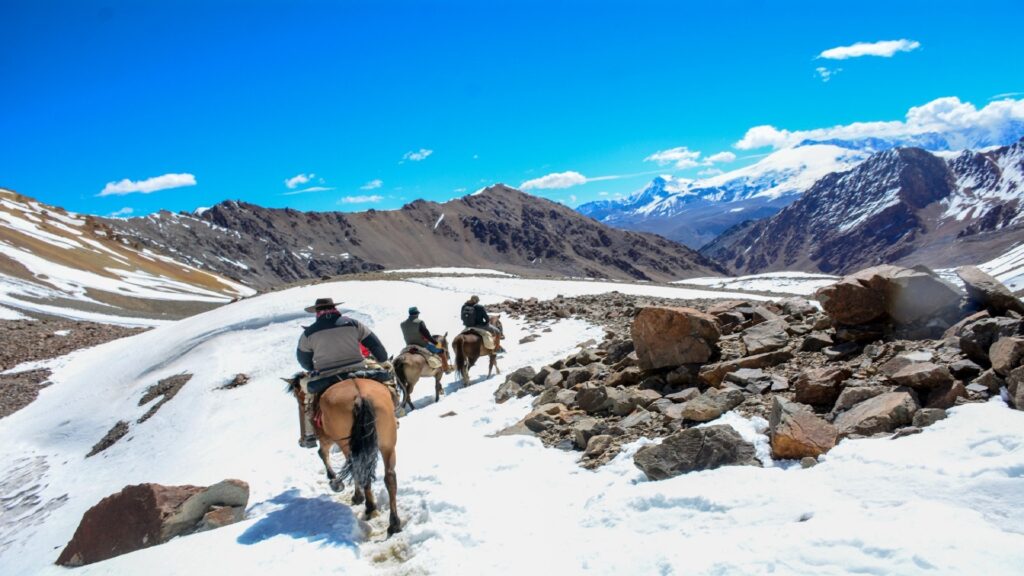
You can visit the path that San Martin went through to cross the Andes mountain range, known as the Portillo Piquenes trail. Local tourism companies offer horse rides and trekking trips. For the more adventurous type, the village offers trekking tours to the Punta Negra mountain and Andean mountain climbing in Cajon de Arenales.
The sites
Los Chacayes has a museum, a theme park, and a small reserve called Manzano Historico, where you can learn the history of San Martin’s crossing, a historic feat that is honored with a monument called “Return to the Nation.”
Being in Mendoza, the town also offers wine tourism options, including tastings and day tours at the vineyards.
How to get there
The village is 40 km away from Tunuyan, in the Uco Valley, an iconic wine-making area.
Where to stay
Accommodation options in town include classic cabins, lodges, and hotels, as well as more unique experiences such as glamping or vineyard hotels.
Local taste
Wine-related food options are mainstream. There is a food walk where you can also try all sorts of local specialties.
Campo Ramon, Misiones
Surrounded by waterfalls, streams, colored roads, and a diverse jungle, this village is home to tourism of the Yerba Mate cultivation. It is considered Argentina’s first ecological municipality.
What to do
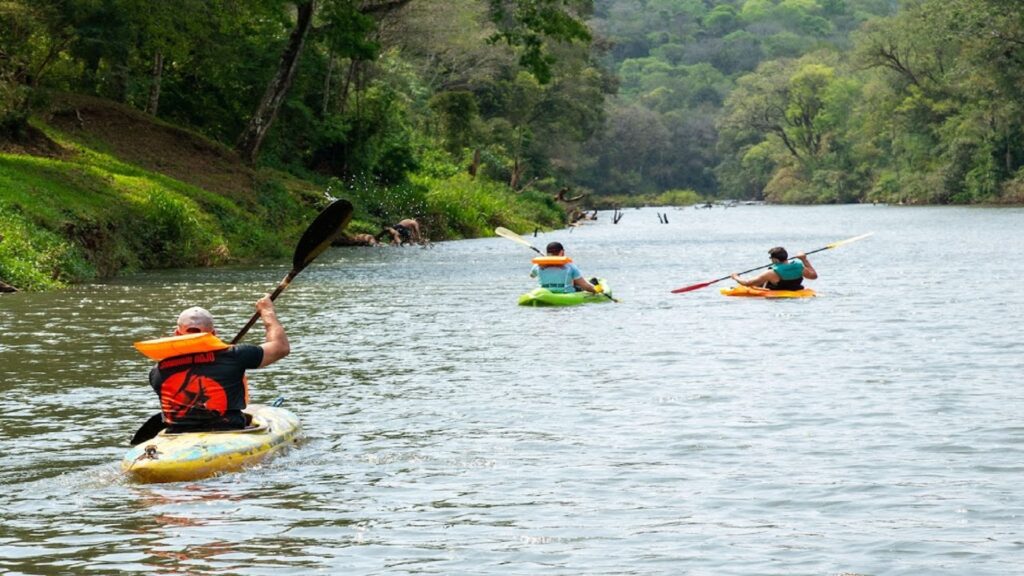
Touring the village means connecting with the local jungle and going to visit its waterfalls, streams, and rivers. Also, it is possible to do bicycle circuits, hiking, boating, and bird viewing as Campo Ramon is in the missionary jungle, a biodiversity hotspot for fauna and flora.
The sites
The Yerba Mate cooperative opens its doors for tourists to learn about the production process of the herb. A more natural site is the Salto Teodoro Cuenca, a waterfall surrounded by Misone’s jungle and water streams.
How to get there
It is located 12 km from Obera and 66 km from the Jesuit ruins of Santa Ana
Where to stay
Due to its natural surroundings, cabins and camping sites are available for tourists to stay at.
Local taste
The village’s gastronomy is based on local plates influenced by the European immigrants that populated the region.
Barrancas, Jujuy
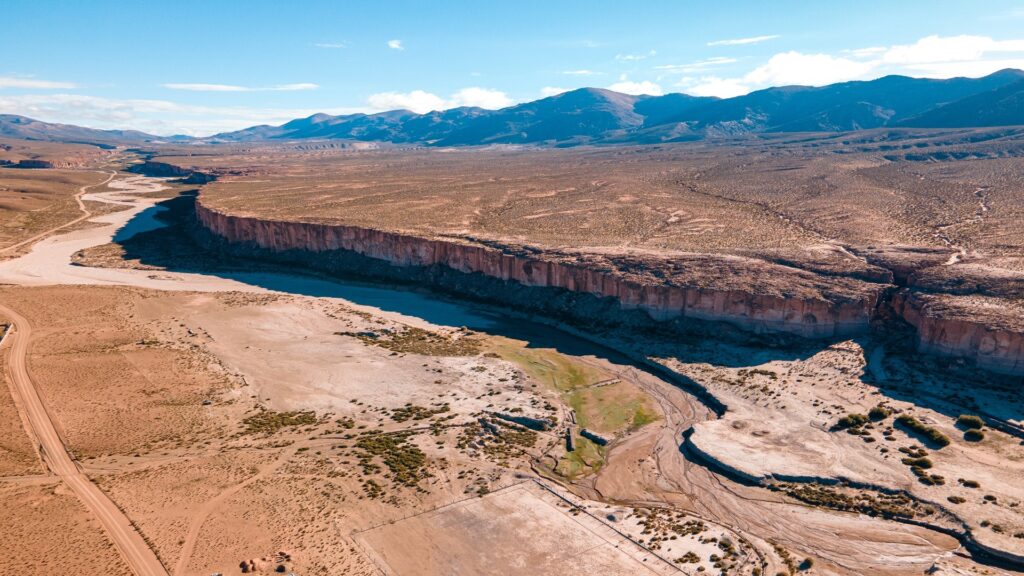
Located in Jujuy’s Puna region and named after its geographic barrancas (Spanish for “ravines”) Barrancas is a pre-Columbian archaeological site as well as a natural attraction.
What to do
Archaeology and ancient civilization lovers can enjoy some stunning sight-seeing areas with pre-Incaic pictographs and petroglyphs. They are spread around its beautiful natural ravines that look like natural walls.
The sites
Barrancas has an Archeological Interpretation Center to admire its archeological sites. Historic attractions also include the Natural and Cultural Reserve of the Municipality of Barrancas, which allows tourists to visit the vestiges of the region’s first inhabitants.
How to get there
The town is located 50 km from Salinas Grandes and 113 km from Purmamarca.
Where to stay
Accommodation is available at family houses.
Local taste
Classic Incaic gastronomy is based on local products, such as corn and potatoes, and local animals, such as llama and lamb.
Urdinarrain, Entre Ríos
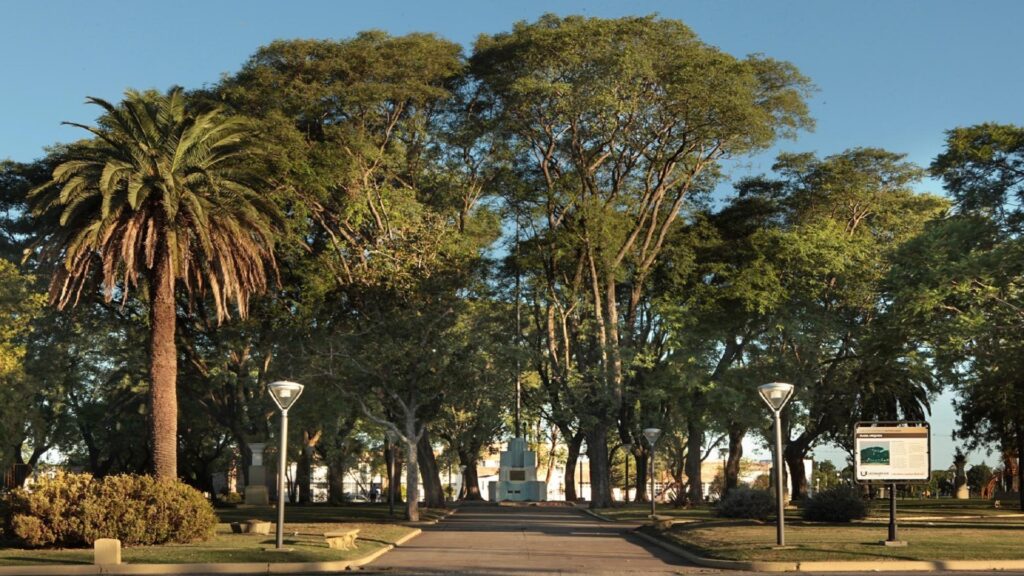
A rich immigrant culture, tradition and history are the best features of this town in Gualeguaychu, where the railway played a key role.
What to do
Take a walk around the village’s old railway and its historic buildings, which are to this day in pristine condition. There are also bike tours through the village and its rural outskirts.
In the summer, the town’s camping site and resort, “Arenas Blancas” is a great spot to enjoy nature.
The sites
There is a regional museum called “La estación” (The Station), which is made of three different museums, explaining the history and culture of the region and traveling back in time to Urdinarrain’s creation. Also, the village holds an artisan exposition.
How to get there
Urdinarrain is located 57 km from the capital city of Gualeguaychú in Entre Ríos province.
Where to stay
Accommodation options include hotels and cabins for rent.
Local taste
The village is famous for its dairy-based products, such as dulce de leche and cheese, as well as pecan walnuts.
