
 Buenos Aires Herald
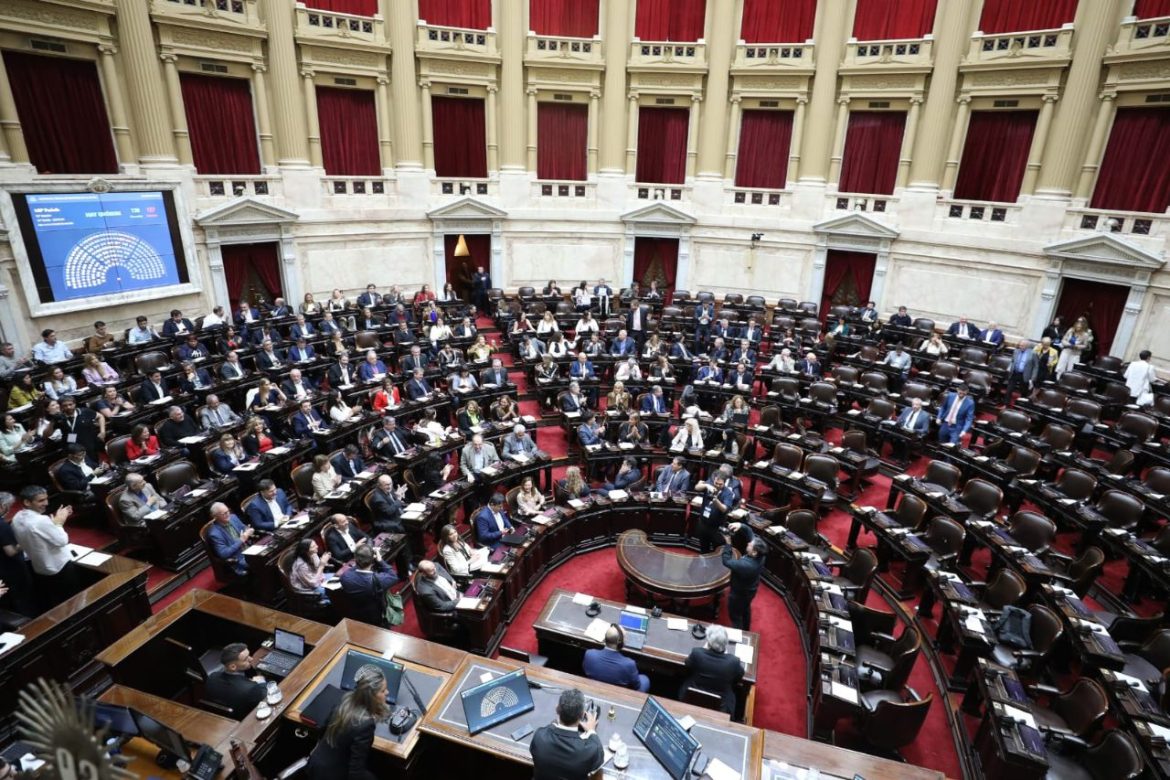
The lower house passed a bill on Wednesday aimed at limiting the discretional use of presidential decrees of necessity and urgency (DNU), an instrument President Javier Milei has frequently used during his term.
Despite the Senate having also approved the initiative, the bill will now return to that chamber because one article did not meet the required majority for approval. The upper house can insist on approving said article, which states that all decrees will only go into effect after both chambers of Congress approve them. Regardless of what the Senate decides, the bill will become law.
The bill’s goal is to modify the existing norm regulating DNUs. It was passed in general with 140 votes in favor, 80 against, and 17 abstentions. The disputed article, number 3 of the norm, was two votes short of approval, only reaching 127.
In Argentina, presidents are only allowed to use decrees and elude Congress in cases considered urgent. They can be annulled by Congress, but a two-thirds majority in both chambers is required.
The bill states that DNUs would only be considered approved if both the lower house and the senate vote in favor of them with an absolute majority within 90 days of them being issued. Decrees would also be struck down if one of the chambers rejects them.
Milei has consistently used decrees to govern since he came into power, many of them including major reforms regarding labor rights and pensions.
The disputed article
Article 3 stated that both chambers need to approve a decree within 90 days for it to stand. Last month, the bill was approved by the Senate with 56 votes in favor and eight against. Senators must now vote on the article and if this result repeats itself, the norm would be fully approved as they had originally intended.
Among the articles that did get approved by both chambers is one stating that these decrees should delve into a specific matter so that Congress can debate them individually. It also passed an article aimed at allowing Congress to address these decrees even during parliamentary recess.
However, the government could still veto the norm. While the votes in the Senate seem to be enough to uphold the law, things could be different in the lower house after several opposition deputies who voted for the bill in general later withdrew their support when the time came to vote for the key article of the norm.
