
 Facundo Iglesia
In 2023, Argentina lost a case in a New York court in which former minority shareholders of oil and gas company YPF sued it for failing to offer to buy out their shares when it nationalized the company in 2012.
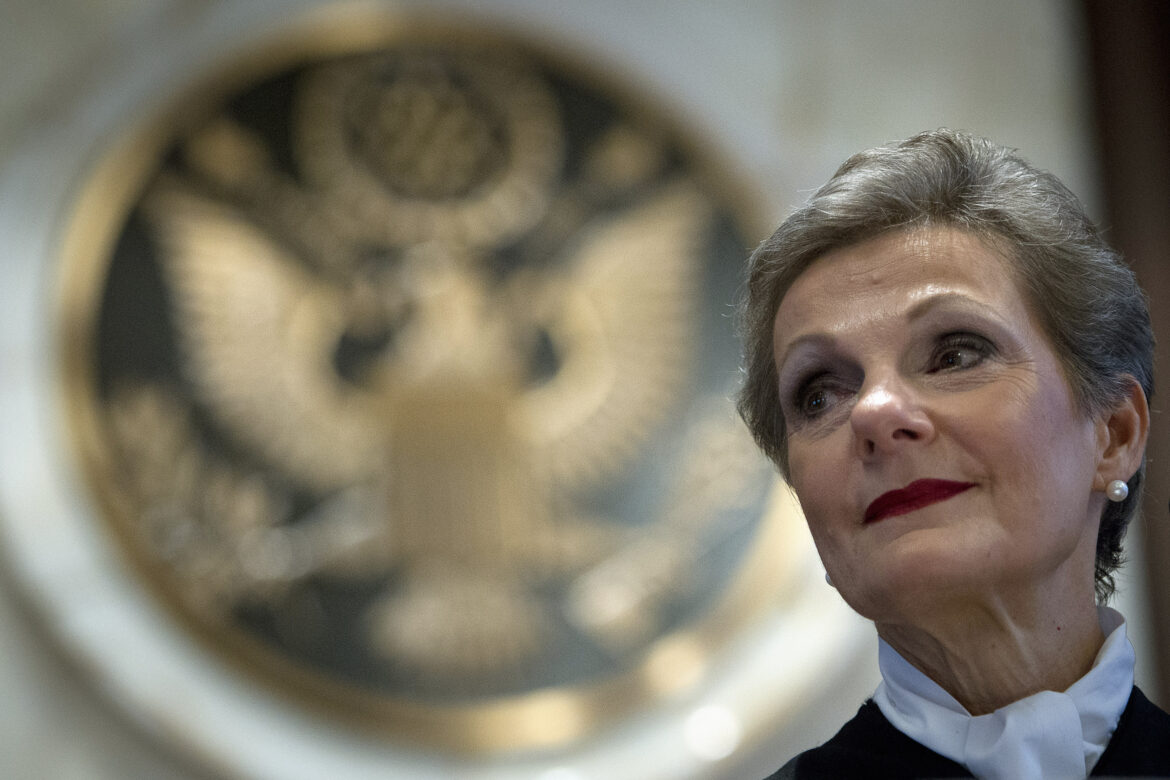
As the parties dispute the discovery process and which of Argentina’s assets, exactly, might be seizable, Judge Loretta Preska has taken the controversial step of ordering that current and former economy ministers’ communications — including their WhatsApp chat histories — must be handed over.
Argentina’s lawyers argue that the order would break the law. Preska is insisting. Here’s what’s going on inside the complex international litigation process.
Massa and Caputo’s chat histories
Hedge fund Burford Capital, which won the US$16.1 billion case, is now trying to find the country’s seizable assets.
Preska has ordered Argentina to surrender the communications of past and present economy ministers, and submit itself to a full asset probe. This would include assets that can’t be seized, such as embassy buildings.
In June, Preska ordered Argentina to hand over 51% of its YPF shares to Burford, although a stay by an appeals court judge hit pause on that process. A source with knowledge of the case says Burford is not interested in expropriating the shares, but rather exerting pressure to sit Argentina on the negotiating table.
On July 29, she specified that the communications to be provided included Sergio Massa and Luis Caputo’s WhatsApp messages.
In Caputo’s case, the request was because Argentina has not provided information on the Central Bank’s gold reserves, which Burford seeks to seize as partial payment for the lawsuit.
In August, Argentina’s lawyers asked Preska to reconsider the order. They argued that the Argentine state does not have the messages, and accessing them would be a crime under Argentine law.
Last week, Preska rejected their request. In an order dated August 27, she argued that “the emails of officials, sent and/or received in the course of their duties, that are not sent through official mailboxes are also public documents.”
She said Argentina could get the messages by asking the individuals involved, changing its laws, or a local court ordering a handover.
The discovery process
Argentina has argued that discovery should only examine executable assets, but Preska and Burford are insisting on a full probe.
On Tuesday, Preska said that Burford was simply gathering information on what assets exist, in order to identify where Argentina might have property that it could seize.
A source with knowledge of the case said Burford was asking for “an inventory of all the assets owned by Argentina to get an idea of an amount comparable to what they are trying to seize.”
Argentina argues that it won’t present a list of assets that are not seizable. These include shares in state companies that couldn’t be handed over to Burford without approval from Congress, and assets intended for public use or service, like embassy buildings abroad.
“The discovery requested by the plaintiff has no limits or criteria,” the source said. “It’s not only seeking potentially seizable assets, it wants Argentina to report all the assets it has.”
The next hearing on the matter is scheduled for October 10.
The background to the YPF expropriation case
The case dates back to 2012, when Argentina’s Congress expropriated 51% of YPF shares from Spanish multinational Repsol, which was the majority shareholder at the time, giving the state majority control of the company.
Three years later, Burford Capital bought the right to litigate in the name of Petersen Energia Inversora and Petersen Energía, two companies belonging to the local Ezkenazi family, which owned part of the remaining shares.
Burford and Eton Park, a defunct U.S. investment firm that was also a minority shareholder, took Argentina to court in 2015 and 2016, claiming the country had failed to offer to buy their YPF shares when it nationalized the company, causing them significant losses.
In September 2023, Preska ordered Argentina to pay the plaintiffs US$16.1 billion for breach of contract during the nationalization. However, the case is on appeal. The U.S. Court of Appeals for the Second Circuit must now rule on it, and the battle could ultimately land in the U.S. Supreme Court.
