
 Martina Jaureguy
 Updated on April 15 to reflect that Leonardo Szuchet is now in functions
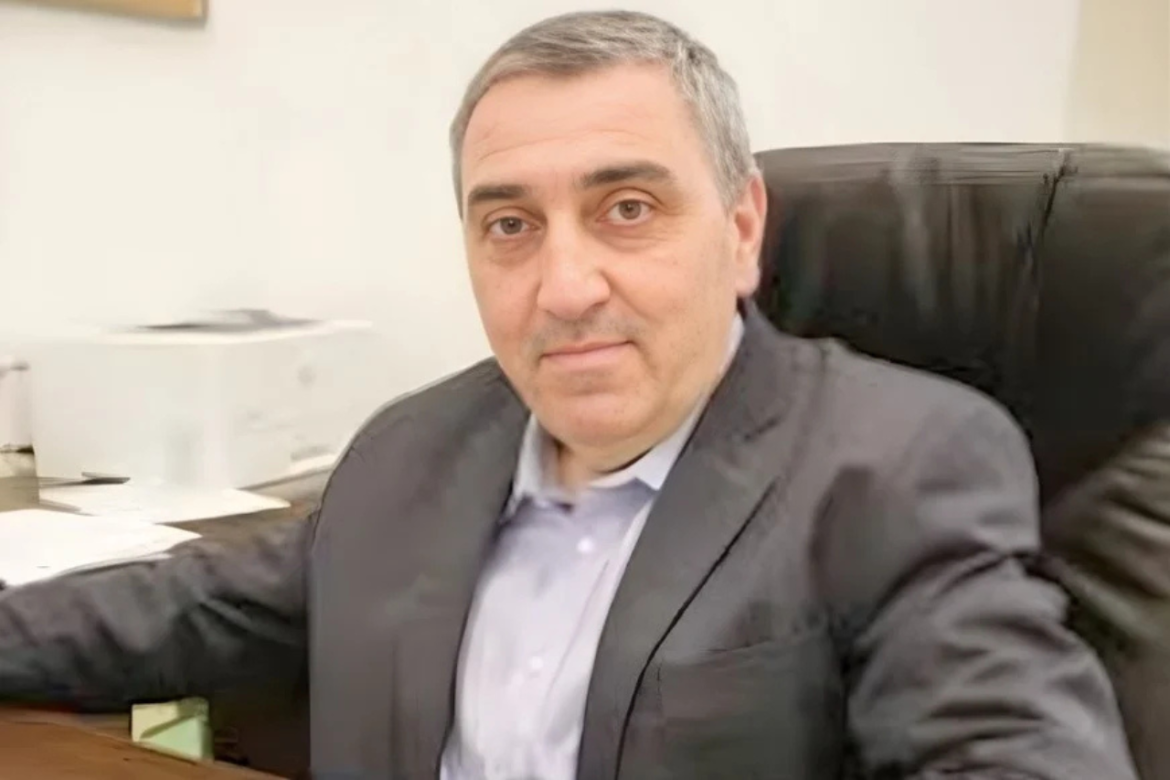
The Argentine government appointed Leonardo Szuchet as the new human rights undersecretary on Wednesday to replace Joaquín Mogaburu, who was in the position for only three months.
Rumors about the change broke in late March. While Szuchet’s appointment was formalized in a decree issued on Wednesday, a source at the justice ministry — the office in charge of the area — confirmed to the Herald that he began working on April 6.
The decree states the date of his appointment was April 1, the same day Mogaburu’s resignation was formalized in the Official Gazette.
The justice ministry source said that the appointment responded to a “change in the administration.”
Szuchet is expected to work to regularize the supply of DNA kits to consulates. These kits are used to identify potential children of dictatorship victims who are currently residing in Europe.
A week ago, Grandmothers of Plaza de Mayo and the Argentine-European Network for the Right to Identity shared their concern about the lack of these kits, which the consulates stopped receiving about a year ago.
The justice ministry source said that there had been “delays” and that they hoped to rectify this “as soon as possible.”
In a statement, Grandmothers of Plaza de Mayo had said they hoped Szuchet’s designation would “correct this situation and many others” regarding the search for children stolen during the dictatorship.
The move is one of the several changes made at the justice ministry after Juan Bautista Mahíques became justice minister — the area in charge of human rights policies — in early March, after Mariano Cúneo Libarona resigned.
When the rumors started in late March, organizations that work with the human rights undersecretariat told the Herald that they did not receive any official information from the government and only found out about the change through press reports.
Mahíques reportedly wanted to have someone from his inner circle in the human rights area, a controversial one for the libertarian government.
The change came at a sensitive time: just days after Argentina commemorated 50 years since the start of the last military dictatorship.
Mogaburu was personally chosen as undersecretary by former justice secretary Sebastián Amerio and is close to presidential advisor Santiago Caputo. However, Amerio was removed from that position after Mahíques’ arrival and left the post to become treasury prosecutor.
Who is Leonardo Szuchet
Szuchet’s appointment stands out from those of previous heads of the human rights undersecretariat during the Milei administration because he is the first who has experience in the area.
A criminal lawyer by training, Szuchet worked in the human rights area during former President Mauricio Macri’s presidency (2015-2019). First, as Human Rights Strategic Affairs undersecretary, and later as executive secretary of the National Plan on Human Rights.
At the time, Mahíques also worked for the justice ministry as head of an undersecretariat dealing with penitentiary issues.
Szuchet currently works as vice president of the Argentine Council for Development and Human Rights.
Despite his experience in positions dealing with human rights, it remains unclear whether his appointment will bring any changes to how President Javier Milei’s administration deals with such issues.
Until now, Milei’s human rights policy has been focused on defunding programs and institutions, insisting on denialist views that justify the crimes of the last military dictatorship, and attacking human rights organizations.
Discharges
This was not the only change regarding human rights made by the government in the week following the last coup’s 50th anniversary.
In late March, 34 members of the army with confirmed convictions for crimes against humanity were discharged from the force.
The resolution affected retired lieutenant colonel Juan Daniel Amelong, who was convicted in five cases of human rights violations, as well as 33 non-commissioned officers.
The head of the army, Major General Oscar Santiago Zarich, made the decision following a report from the Administrative Investigations’ Prosecutors Office which found that 78 army and security forces members had not yet been discharged, despite having final convictions.
According to Argentine law, military personnel found guilty of crimes against humanity are discharged when they receive a final conviction, which means there are no more instances of appeal and the sentence cannot be modified.
Being discharged means that those affected lose their military status and no longer receive benefits such as retirement pay, pensions, and medical coverage.
Read the Herald’s coverage of the 50th anniversary of the 1976 military coup here
