
 Buenos Aires Herald
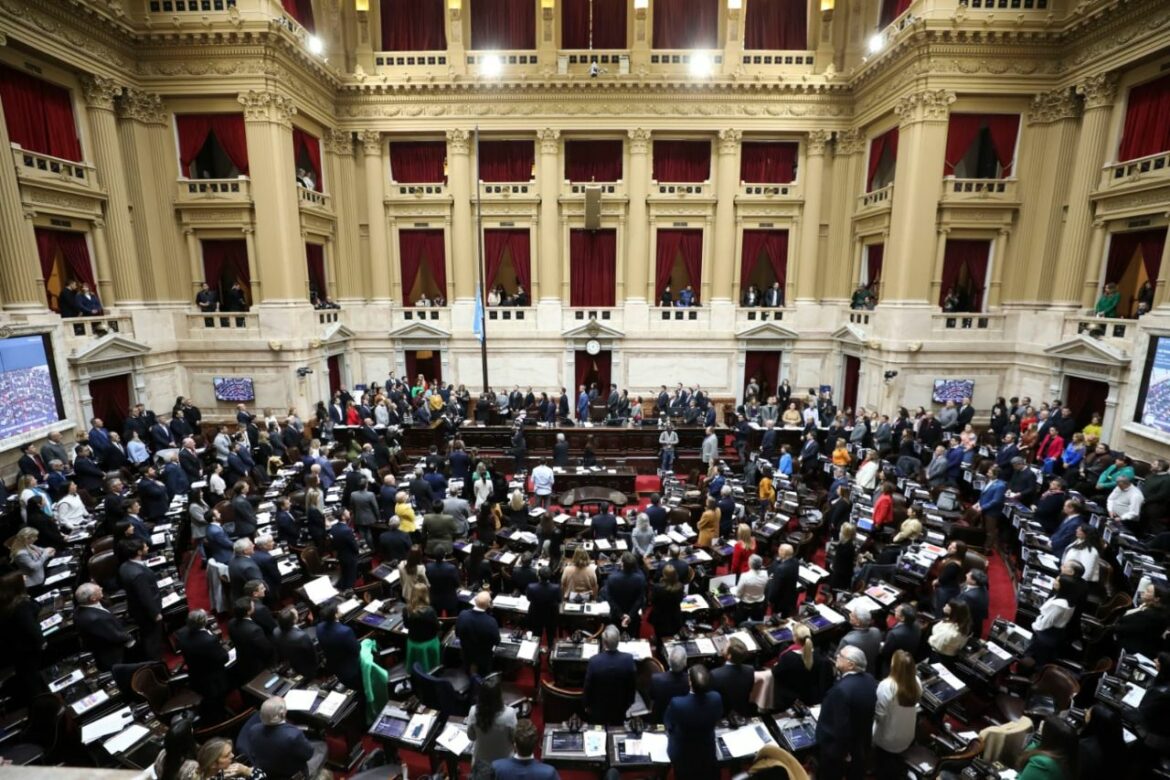
The lower house voted against two vetoes issued by President Javier Milei in a charged session that kicked off at 1 p.m. One of the vetoes blocked funding for public universities, while the other struck down funding for the Garrahan children’s hospital via the declaration of a public emergency for pediatric healthcare.
The debate, which lasted more than four hours, took place against the backdrop of a nationwide protest against budget cuts for public universities. In Buenos Aires, protesters marched to the square in front of Congress. It was the third national university march against Milei and the first in 2025, after protests in April and October of last year.
More deputies voted in favor of the funding increases this time around than when the bills were originally passed.
The vote to overturn Milei’s veto on the Garrahan Emergency Bill received 181 votes in favor, 60 against, and one abstention. In mid-September, when it was originally passed, it had received 159 votes in favour, 67 against, and four abstentions.
The vote overturning the University Financing Law gathered 174 votes in favor, 62 against, and two abstentions. Last month, the law received 159 votes in favor, 75 against, and five abstentions.
“We are being ruled by people with medieval thinking,” said Facundo Manes, a deputy in the UCR party, ahead of his vote. “It is unheard of that we [have to defend] public health, education, science, and technology.”
Santiago Santurio, from the ruling party La Libertad Avanza, picked up the medieval thread, saying: “I was struck by a lawmaker talking about ‘medieval thinking,’ when in fact universities were born in the Middle Ages.” He accused the lawmakers who voted to overturn the vetoes of “following the steps of the Kirchnerist bloc.”
You may also be interested in: I wouldn’t be in Argentina if it weren’t for public education
Wednesday’s session is expected to be lengthy and last until early Thursday, as a number of other items will be debated. On the docket are four presidential decrees, including a reform of the Argentine Federal Police (PFA, by its Spanish initials) statute aimed at gearing their operations towards “being an investigative police force” akin to the United States’ FBI.
Deputies will also discuss calling Presidential Secretary Karina Milei, Chief of Staff Guillermo Francos, and Health Minister Mario Lugones to the chamber for a “request of verbal information” in connection to the allegations of bribery in the disability agency. The accusations sprouted after leaked recordings attributed to former agency head Diego Spagnuolo surfaced in August.
The opposition is looking to score another win against the government after Congress successfully struck down one of Milei’s vetoes for the first time last month. The vetoes will now go to the senate, where they must also be rejected by a two-thirds majority to be definitively struck down.
The two vetoes
Milei vetoed the two laws last week on the grounds that they went against his fiscal balance goals. The decision came in the fallout of ruling party La Libertad Avanza’s (LLA) electoral defeat in the Buenos Aires province local elections and just hours before the legal deadline to issue the deadlines expired.
It was the second time the president had vetoed a bill granting more resources for public universities and salary raises for their staff. In 2024, he used his veto power to overturn a similar law passed by Congress just hours after a massive march demanding him not to do so. Lawmakers approved the new bill in late August after making some adjustments to last year’s text, such as clearly stating where the funding should come from.
The pediatric emergency bill’s goal was to grant more resources and better salaries to the sector, especially the Garrahan Hospital in Buenos Aires, the country’s most renowned pediatric hospital. Its workers had been demanding a raise in salaries and funding, and said they were stretched so thin that their working conditions had reached breaking point.
