
 Buenos Aires Herald
Updated September 7, 7.30 p.m.
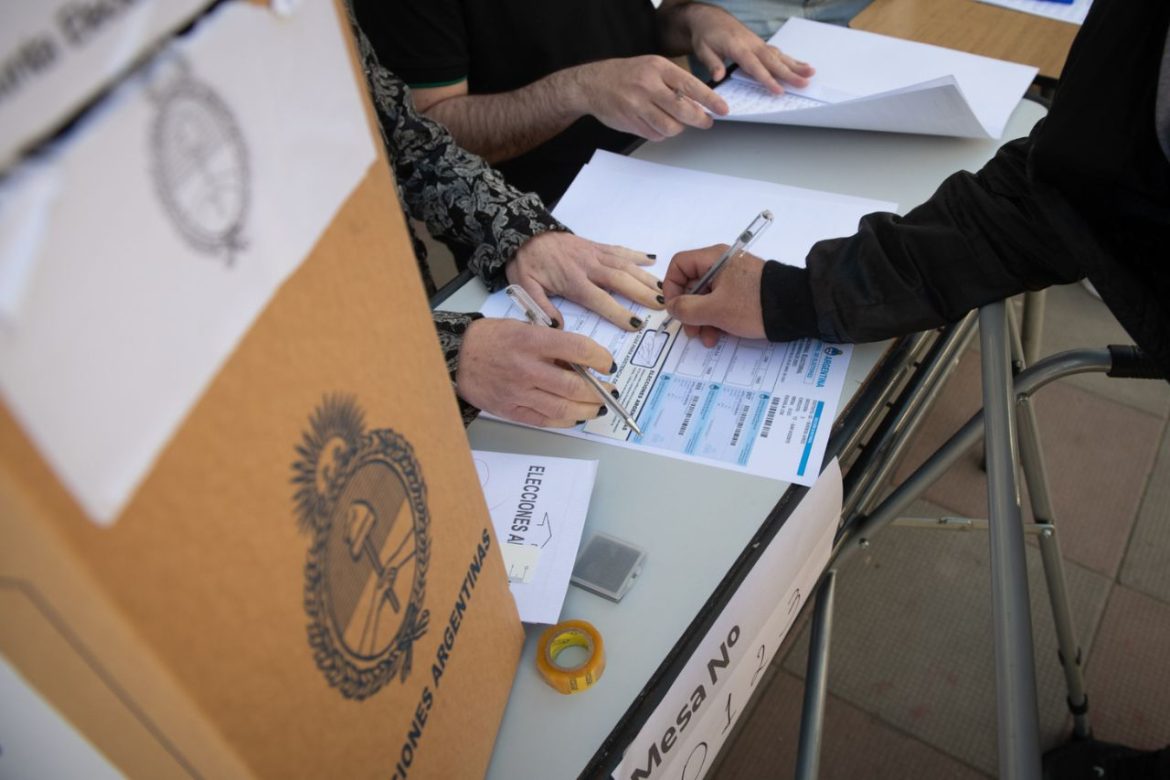
Voters in Buenos Aires province headed to the polls on Sunday to elect provincial lawmakers, as well as mayors and local councillors. Polling stations closed at 6 p.m. and the nation’s political parties are now settling in for the wait for results. First numbers are expected around 9 p.m.
See the latest: Buenos Aires Province 2025 elections: Peronism celebrates resounding victory over LLA
The results of the election, the last local contest before the national-level midterms in October, will serve as a bellwether for public opinion. The contest pitted ruling party La Libertad Avanza (LLA), went up against Peronism in Argentina’s largest electoral district.
Speaking at the counting center after polls closed, Carlos Bianco, Minister of Government for Buenos Aires Province, described the elections as “historic,” saying it was the first time the province’s elections had been held separately from the national midterms — and that the electorate this year was larger than before.
“From 8 a.m. all the polling stations started to open normally,” he said. “There were some normal delays, as always happens during elections, but at 10 a.m. all the ballot boxes in Buenos Aires Province were open, and people could vote in complete peace and calm. There were no long queues and it was a really well-organized and swift process.”
Results can be released from 9 p.m. onwards as long as at least 30% of votes have been counted, he said.
Close to 14 million registered voters (a little under 40% of the total electorate) were eligible to cast their ballots for 46 provincial deputies (half of the chamber’s 92 seats) and 23 senators. Voters in 135 municipalities were also tasked with picking over 1,000 councillors. Polling stations were open between 8 a.m. and 6 p.m.
By 4 p.m., 50% of the electoral roll had voted, electoral authorities said.
Despite normally being seen as a minor election, the province’s legislative race took the spotlight after Governor Axel Kicillof decided to split it from the national election scheduled for October 26, a process known as desdoblamiento. The election attracted further attention as it is the first contest in which the LLA- PRO alliance (running as La Libertad Avanza) went go up against the Peronist Fuerza Patria front.
Voting in BA province is split into eight sections, each of them made up of municipalities. In Section One, the largest with 24 municipalities, Tres de Febrero Mayor Diego Valenzuela was at the top of the LLA ticket, while provincial Public Works Minister Gabriel Katopodis led the Fuerza Patria ballot. Other notable candidates included Francisco Adorni, brother of presidential spokesman Manuel (LLA, Section 8), and Deputy Governor Verónica Magario (Fuerza Patria, Section 3).
A hefty win in the province governed by Kicillof, arguably the most important figure of the opposition and one of President Milei’s most frequent targets, would provide the ruling party a much-needed push for the last leg of the national-level campaign. A loss, on the other hand, would deepen its current woes.
Kicillof called for a calm, peaceful vote as he cast his ballot, and told press that his oldest son was voting for the first time.
José Luis Espert, who is heading the LLA ticket for the province in the national legislature, encouraged the population to make their voices heard at the ballot box.
Dire times for the government
The Milei administration went into Sunday’s election after suffering a series of blows that left it reeling. On Thursday, the Argentine Senate voted to reject President Javier Milei’s veto on a bill raising disability funding. As the lower house had already voted to overturn Milei’s veto on August 20, the outcome at the senate meant that the president’s decision had been overruled and the bill was in full effect.
This was the first time Congress managed to successfully overturn one of Milei’s vetoes, and the first time since 2003 that a presidential veto was struck down.
The administration is also dealing with the bribery accusations leveled against Presidency Secretary Karina Milei, who is also the president’s sister, and a slew of other government officials. The corruption scandal broke two weeks ago when a series of leaked recordings attributed to the former head of the national disability agency, Diego Spagnuolo, accused Karina of taking kickbacks from drug companies in exchange for state contracts.
Further recordings, this time attributed to Karina Milei herself, were leaked last week. The judiciary, however, has banned the publication of Karina’s audios in response to a request from the authorities.
