
 Buenos Aires Herald
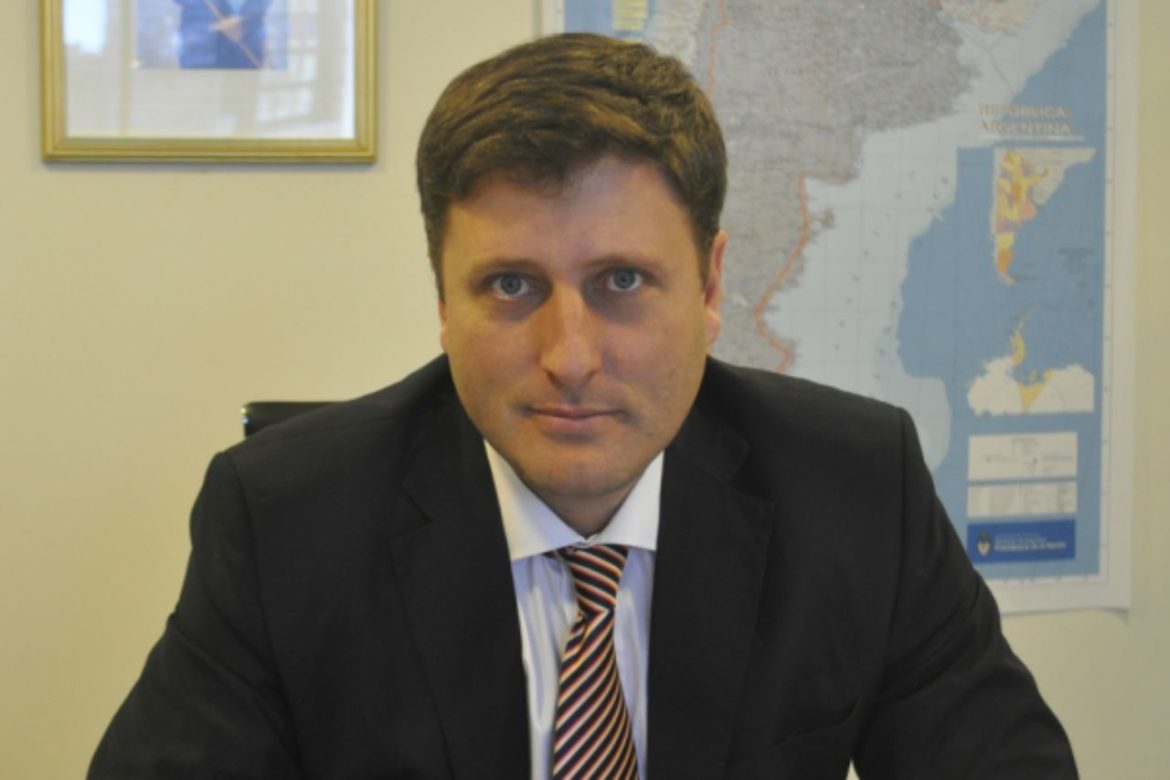
Career diplomat Eduardo Bustamante has resigned as foreign relations secretary, nine months after being appointed. President Javier Milei and Foreign Minister Gerardo Werthein accepted his resignation in a decree released Tuesday, which states his departure is retroactive to July 18.
Bustamante was Werthein’s number two in the foreign ministry. He was appointed after Leopoldo Sahores resigned the position during Diana Mondino’s term as minister.
Bustamante did not comment publicly on his resignation. His replacement has yet to be announced.
This is the government’s second departure this week. On Monday, the government accepted the resignation of presidential advisor Demian Reidel, who said he would focus exclusively on his roles as head of public nuclear energy company Nucleoeléctrica Argentina and president of the Argentine Nuclear Council.
The foreign ministry confirmed to the Herald that Bustamante has left the secretarial role, but will remain on the staff of Argentina’s foreign service.
When he was appointed, the foreign ministry commended Bustamante’s “solid professional track record as a diplomat” and relevant experience.
Bustamante was Argentina’s consul general in Montevideo at the time of his appointment as secretary. A lawyer and political scientist, he is trained in international security and has worked in Argentina’s embassies in Angola, Pakistan and Haiti. He was also part of the Argentine army’s infantry.
As part of his diplomatic work, Bustamante has experience in border coordination issues, as well as international negotiations on terrorism and transnational organized crime, according to the foreign ministry.
Between 2016-2018 he was undersecretary for border development as part of the Security Ministry during Mauricio Macri’s presidency. On his LinkedIn, Bustamante said he “contributed to improving the management and infrastructure of international borders” in Argentina.
This is just one of 156 public officials’ resignations since President Milei took office in December 2023. Of those, 11 were within the foreign ministry, according to the Herald’s sister publication Ámbito.
