
 Buenos Aires Herald
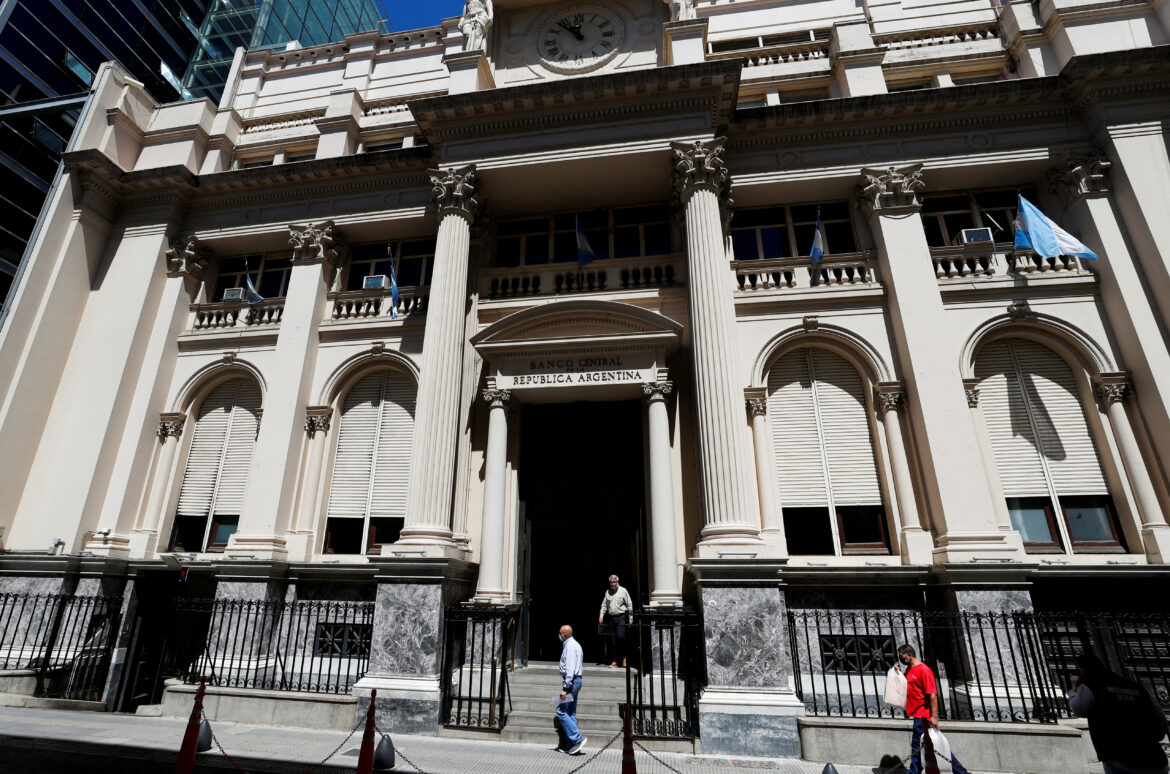
Argentina made its biggest debt payment in three years on Thursday. According to the congressional budget office, the government made a US$4.34 billion repayment on sovereign bonds, counting capital and interests.
The payment, made by the Central Bank (BCRA), became effective at 10 a.m. Argentina time (8 a.m. EST). Not all recipients were expected to have the money in their accounts immediately, since some U.S. businesses were closed for a national day of mourning due to the passing of former President Jimmy Carter.
Three bonds saw interest and capital payments on Thursday: Bonares, under Argentine jurisdiction, (AL29, AL30, AL35, AL38 and AL41) and Globals, under U.S. law (GD29, GD30, GD35, GD38 y GD41), both denominated in U.S. dollars, and Globals denominated in Euros (GE29, GE30, GE35, GE38, GE41, and GE46).
Bonares holders will receive the funds in their bank accounts on Thursday, but Globals holders will not get their money until next week, since the Bank of New York (BoNY) will make the payment on Friday due to the banking holiday.
Experts are analyzing the market’s next steps to determine the future performance of Argentina’s sovereign debt. In particular, they will evaluate which titles have the greatest potential for growth.
One of the first effects the market will evaluate is the impact of the payment on the country’s reserves. Between Thursday and next week, the Central Bank will lose most of what it had gained in the first days of the year to Treasury debt obligations.
‘Moderate optimism’
Argentine analysts agreed Argentine bonds had not rallied following the payment, since the government had announced it well in advance and Wall Street wasn’t trading on Thursday.
“Prices show stability in bonds, both in Argentine and foreign legislation,” Diego Martínez Burzaco, country manager for Galicia Bank’s Inviu electronic investment platform, told the Herald, adding that the results will become evident on Friday. “Giving creditors predictability seems very healthy for the medium and long term,” he added.
Gustavo Quintana, an analyst and broker for PR Corredores de Cambio, said it was “good news that instead of rolling maturities as at other times, they are being paid.”
“The market is taking it well, with moderate optimism,” he told the Herald.
Pablo Repetto, head of research at broker Aurum Valores, said a drop in the country risk index — partly fueled by Thursday’s payment — could pave the way for Argentina’s return to international voluntary credit markets. However, he said that continued currency controls curb external markets’ enthusiasm for buying Argentine debt. Any possible new agreement with the International Monetary Fund “with some adjustments to the monetary policy” could help, he noted.
Meanwhile, Florencia Florentin, chief economist at Epyca consultancy, said that a sustained recovery in market confidence “depends on a combination of coherent and credible macroeconomic policies.”
“The process of exchange rate appreciation may work against [the Argentine economy] because international reserves could be quickly consumed if there’s no solid program behind it,” she added.
–Ambito/Herald. Additional reporting by Facundo Iglesia
