
 Agustín Mango
Before being diagnosed with schizophrenia in 1919, legendary Russian ballet dancer Vaslav Nijinsky was planning to stage what would have been Argentina’s first ever ballet piece. Caaporá, a tale of resurrection and mourning written by Ricardo Güiraldes and Alfredo González Garaño, was inspired by the mystical Guaraní legend of the urutaú bird.
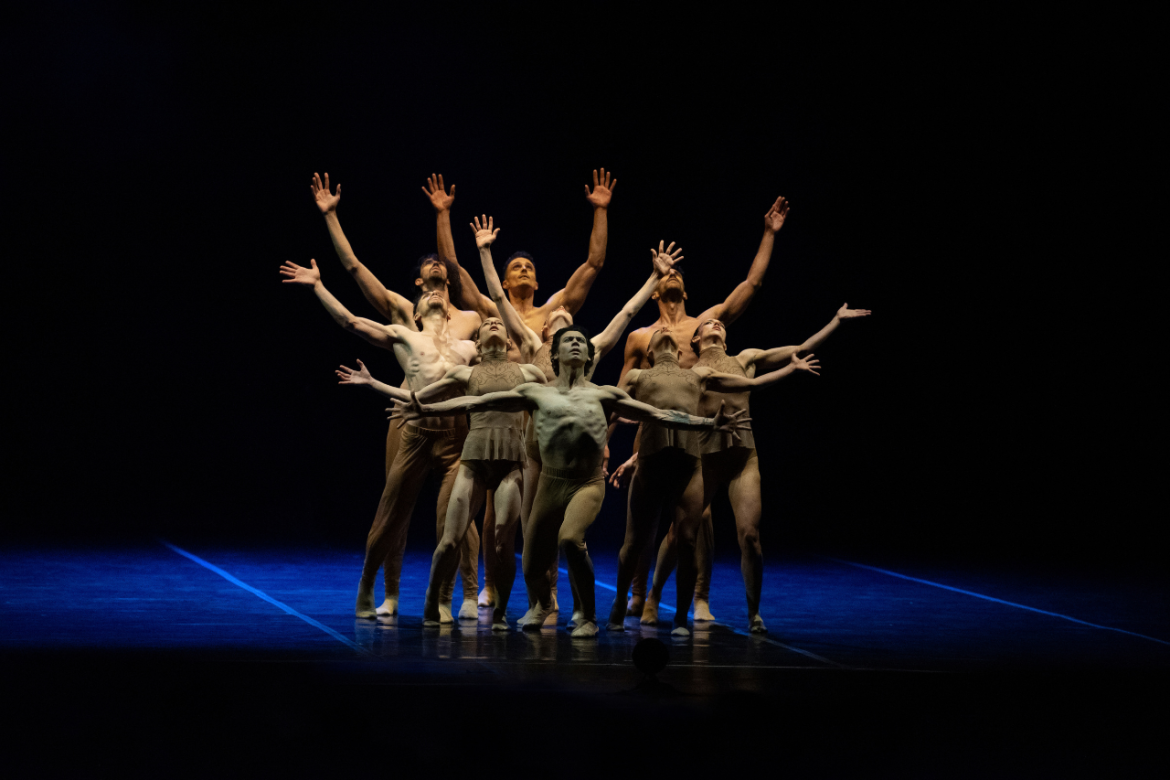
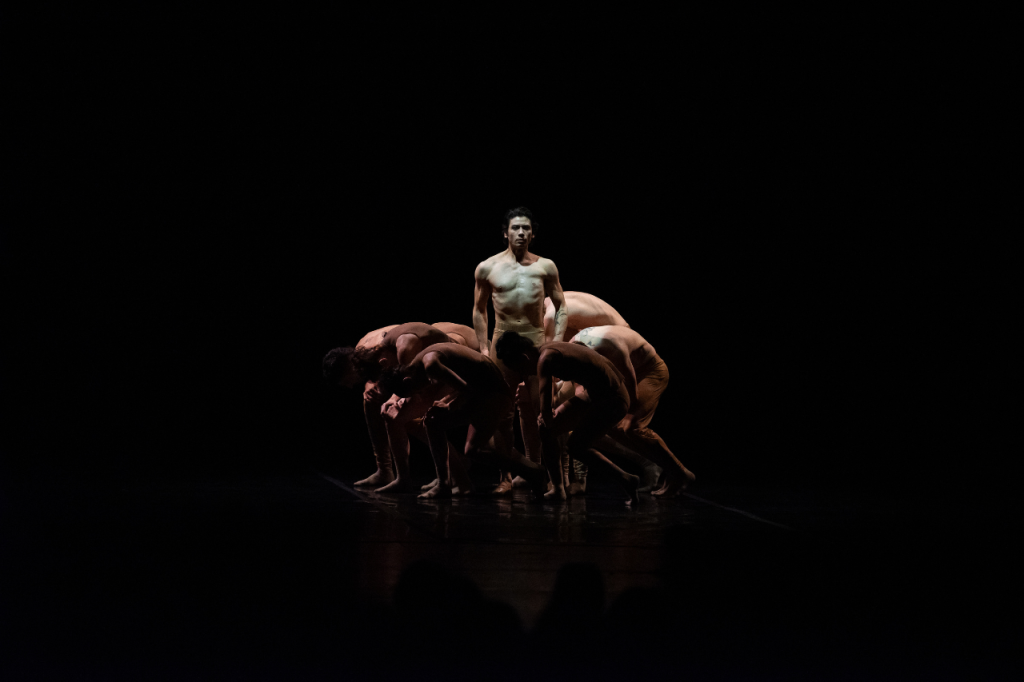
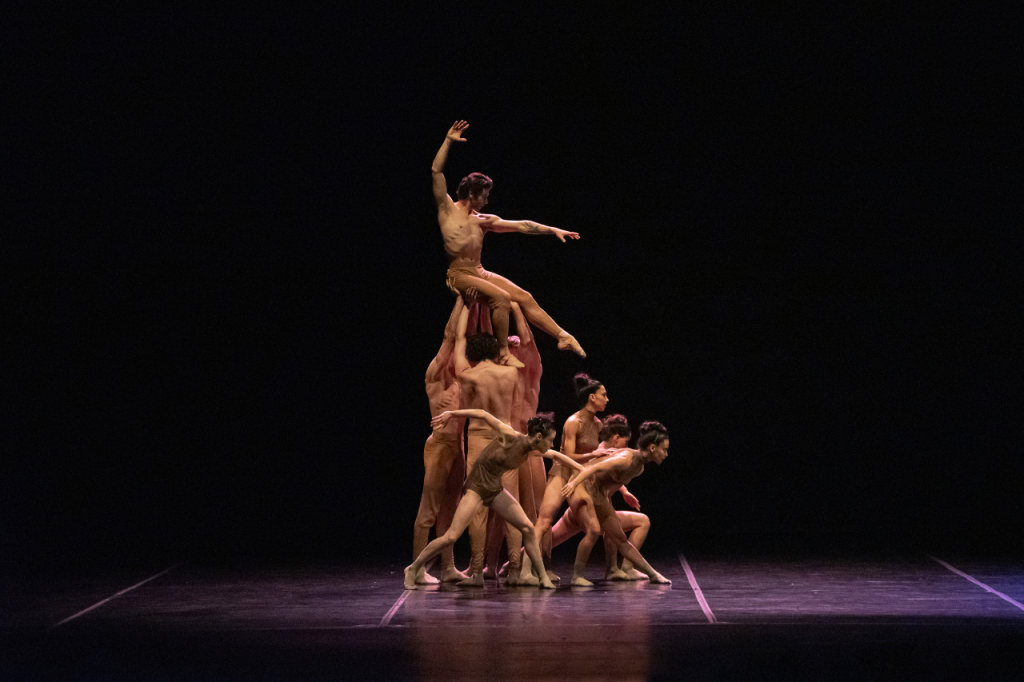
More than a hundred years later, Herman Cornejo, an Argentine principal dancer at the American Ballet Theater, picked up Nijinsky’s unfulfilled project as a base for his work Anima Animal. The show had its U.S. premiere in New York at the Joyce Theater on February 18. It will then move to Miami on February 25 as part of a full gala evening.
In 1917, the Caaporá authors approached Nijinsky during his last tour through Argentina and Uruguay. The dancer became fascinated with the play, and reportedly contacted composer Igor Stravinsky, who wrote the score for The Firebird, to compose the music for what would have been Argentina’s first ballet. It was striking that a work of that scale was based around indigenous culture, which was widely ignored and rendered invisible at the time.
But two years later, Nijinsky was diagnosed with a mental illness that drove him off the stage forever, and the project fell into oblivion. The Caaporá ballet, according to Cornejo, remained unknown even to top choreographers and Nijinsky experts.
“I was shocked when I first learned about it,” Cornejo told the Herald from New York.
His connection with Nijinsky, the dancer who in many respects opened the door for men in ballet, was always very strong. “First of all, because the Colon Theater school was created thanks to him, to his technique.” At the American Ballet Theater, Cornejo has played many roles previously portrayed by Nijinsky, including Le spectre de la rose and Petrushka.
COVID-19 lockdowns kept Cornejo off the stage, but also provided an opportunity to develop the idea. In 2021, he got an NYU fellowship to research the original, and began working on a piece that would pay tribute to its themes.
“The idea was to delve into our roots, and stage something that wouldn’t be just a dance, but also a message of awareness about caring for the Earth and being more connected with each other,” said Cornejo.
Accidentally Argentine
At first, the 43 year-old dancer summoned Argentine choreographer Anabella Tuliano, and together they came up with a 10-minute solo they presented to NYU. The work evolved and resulted in a full ballet, Cornejo’s first. Anima Animal, he says, is intended to be the first part of a trilogy. For years he had had the idea of writing a three-part ballet with three different choreographers. Anima Animal, he says, became the perfect vehicle to make that dream come true.
The play has an original score by DJ artist Luis Maurette (aka “Uji”) and composer Noelia Escalzo, who blends folk and classical music. The choreography is by the Cadabra contemporary dance company. The fact that the entire artistic team is Argentine, Cornejo said, was sheer luck. During his research, he found a video of a dance company on YouTube that turned out to be Tuliano’s Cadabra Group. “They were making the kind of movements I wanted,” he said.
When he discussed the score with Tuliano, he told her he had found a young DJ who appeared to be Japanese because of his name and the script of his Facebook name. “I wrote to him in English and he was like ‘Hey, I live in Buenos Aires, I’m Argentine.’ It was all by chance,” he said.
“The score is a journey through the Earth, with natural sounds, like from glaciers. It kind of shows this confusion we have, this struggle between wanting to take care of the Earth but also our need to exploit the planet in order to live. There’s a sort of strange system at work there,” Cornejo continued.
The creative process occurred during the pandemic, mostly via Zoom. The dance company worked on the choreography in Buenos Aires, while Cornejo directed from the US. Anima Animal finally premiered in Argentina in 2022, at the Bicentenario Theater in San Juan province.
From New York to Miami
New York’s Joyce Theater was “the perfect city and the perfect place” for Anima Animal’s U.S. premiere, according to Cornejo. He believes the NY venue lends itself to the kind of new ideas and dance companies that more typical theaters might not host. “In the American Ballet Theater, when we dance at the Metropolitan Opera House, people want to see the classic ballets, they want to see Swan Lake, or Giselle. And the Joyce lends itself to this, to bringing in new things,” he said.
The play will run from February 18-23 in New York and then move to Miami as part of a one-night gala event at the New World Center, produced by the Ballet Support Foundation. The evening program includes the world premiere of Vingt Deux, a piece by Briana Reed, former principal dancer at the Alvin Ailey American Dance Theater, which is inspired by tennis champions Serena and Venus Williams.
The program also includes excerpts from iconic classical works like Don Quixote and Swan Lake. The final show is a performance of Twyla Tharp’s celebrated Sinatra Suite, danced by Cornejo and Cassandra Trenary.
