
 Buenos Aires Herald
Spain’s Telefónica announced Monday that it had sold its operations in Argentina to the local connectivity giant Telecom. Within hours, the presidency said that telecommunications regulator ENACOM and Argentina’s competition watchdog would investigate whether the deal would create a monopoly.
The deal, signed and closed on Monday, was valued at US$1.25 billion, the companies said.
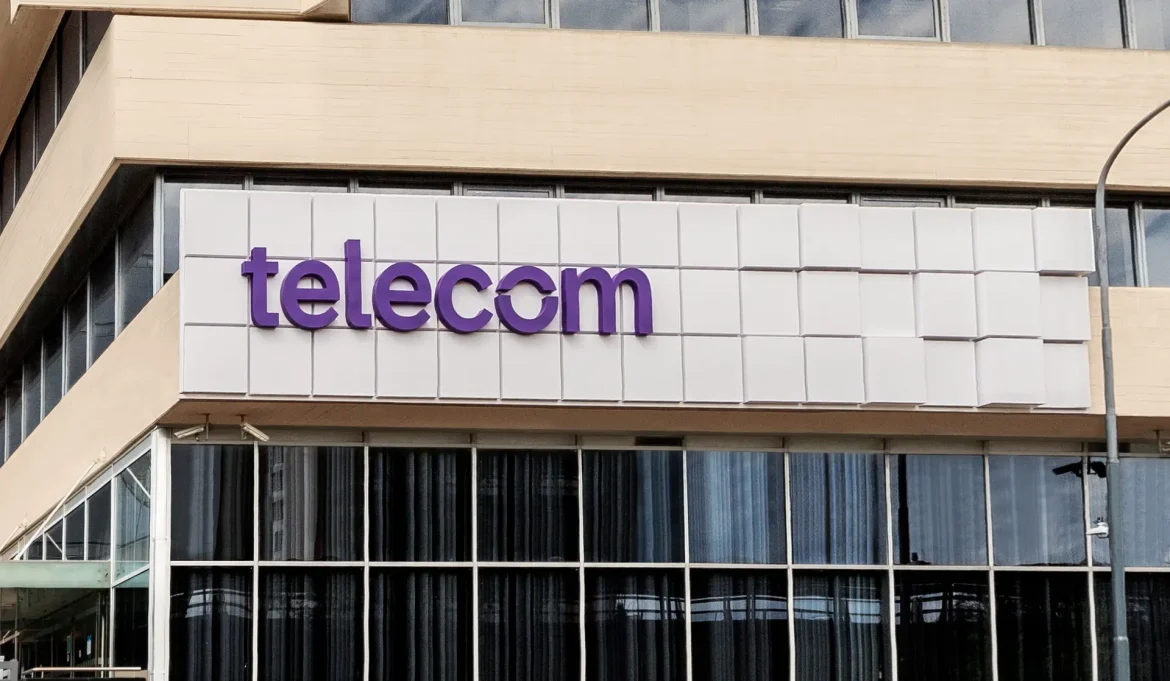
Telecom operates in Argentina, Paraguay and Uruguay. It owns the internet service provider Personal, the digital wallet Personal Pay, and the TV and streaming service Flow. The company said in a release that the deal would allow it to strengthen Argentina’s broadband, fiber optic and 5G services. According to the Global Media and Internet Research Project, Telecom holds 35% of Argentina’s telecommunications market. If the Telefónica deal goes through, that figure could rise to 55%.
“In addition to the sum directly involved in the operation, which amounts to US$1.245 billion, in the following years there will be intensive capital investment, with a focus on deployment and capillarity of fiber optic in all territory covered by the company, in the deployment of mobile 5G sites in the same zones, and in the expansion of value-added services, such as on-demand video, the internet of things, corporate products, fintech, e-commerce, artificial intelligence, and cloud services,” the release read.
It said that the two companies work in regions that complement each other, and added that the company was filing the necessary regulatory paperwork.
“This operation […] is aligned with the strategy of gradually reducing exposure to the Latin American market,” Telefónica wrote in its notification to Spain’s National Securities Market Commission.
At 5:29 p.m., Argentina’s presidential communications team released a statement announcing that ENACOM and competition watchdog, the National Commission for the Defense of Competition, would intervene in the deal “to evaluate whether the operation constitutes the formation of a monopoly.”
“This acquisition could leave approximately 70% of telecommunications services in the hands of just one economic group, which would generate a monopoly formed thanks to decades of state benefits that the aforementioned company has received,” the statement read. “If that is the case, the National State will take all pertinent measures to avoid it.”
It added that the formation of a monopoly would risk progress on reducing inflation.
“The National Government will take all measures to guarantee users’ right to choose, free competition, and accessibility to telecommunications services,” it concluded.
