
 David Correa
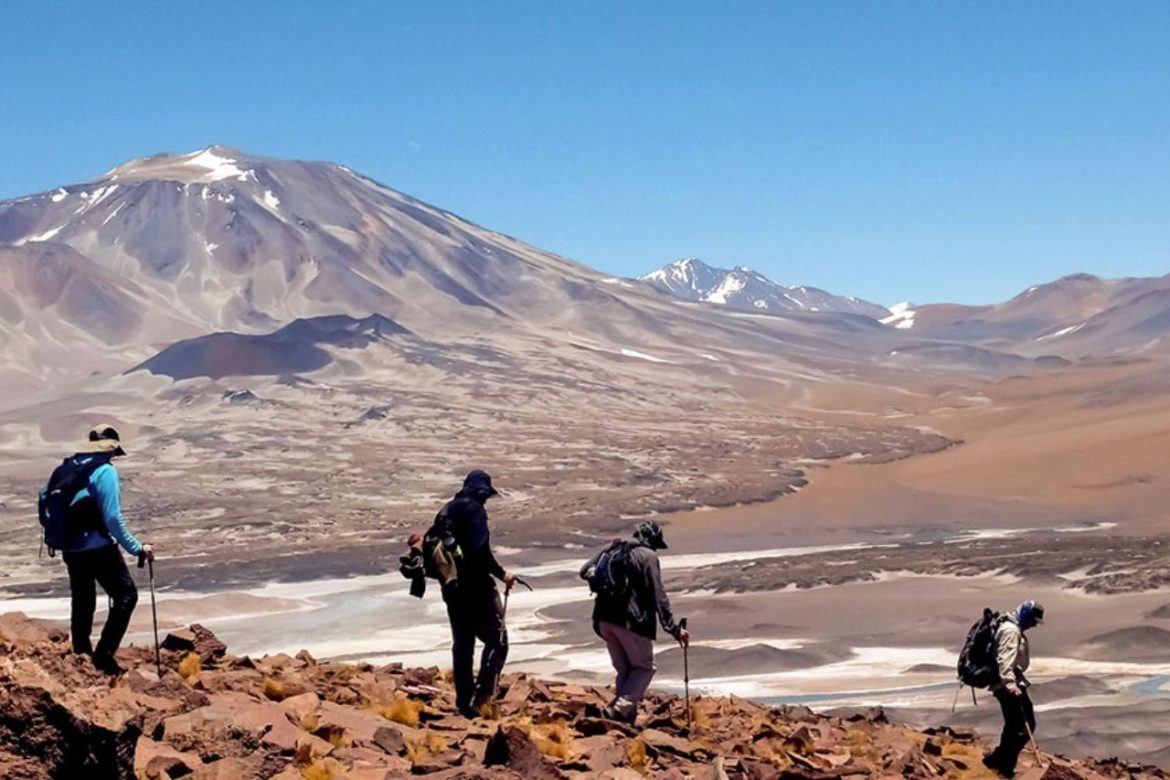
 Stretching 201 kilometers, National Route 60 in Catamarca is a vertical world ruled by the highest volcanoes on Earth. A paradise for mountaineers and trekking enthusiasts, where the wind and sun are constant companions in a sensory journey through nature at its purest.
The stretch is known as “Land of the Six-Thousanders,” a slew of around nineteen mountain peaks all above 6,000 meters, their slopes dotted with lagoons where flamingos rest and vicuñas roam.
The circuit in northern Argentina is considered a stellar adventure for mountaineers, but planning is required. Visits to the route are available year-round, although October through April is generally recommended, as heavy rains between December and March can temporarily flood sections of the road.
Interested parties have to make it from Buenos Aires to La Rioja or Catamarca, either via plane or bus. Once there, the starting point is Fiambalá, an adobe town in Catamarca sitting at 1,500 meters above sea level.
That’s where the adventure begins.
A well-serviced oasis
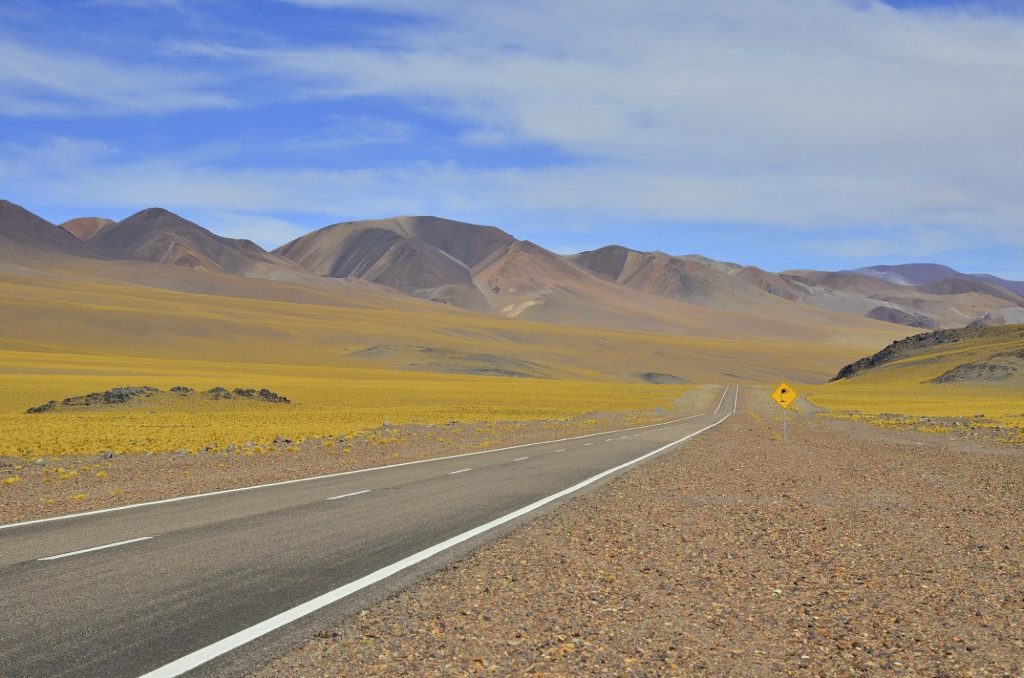
Route 60 stretches westward from Fiambalá in a symphony of colors ranging from terracotta red to the dazzling white of permanent snowfields.
The paved road climbs more than 3,200 meters over its 201 kilometers. The drive takes between two and a half and three hours, although the wind often makes time feel irrelevant. Six basic emergency shelters are located along the route for protection during storms.
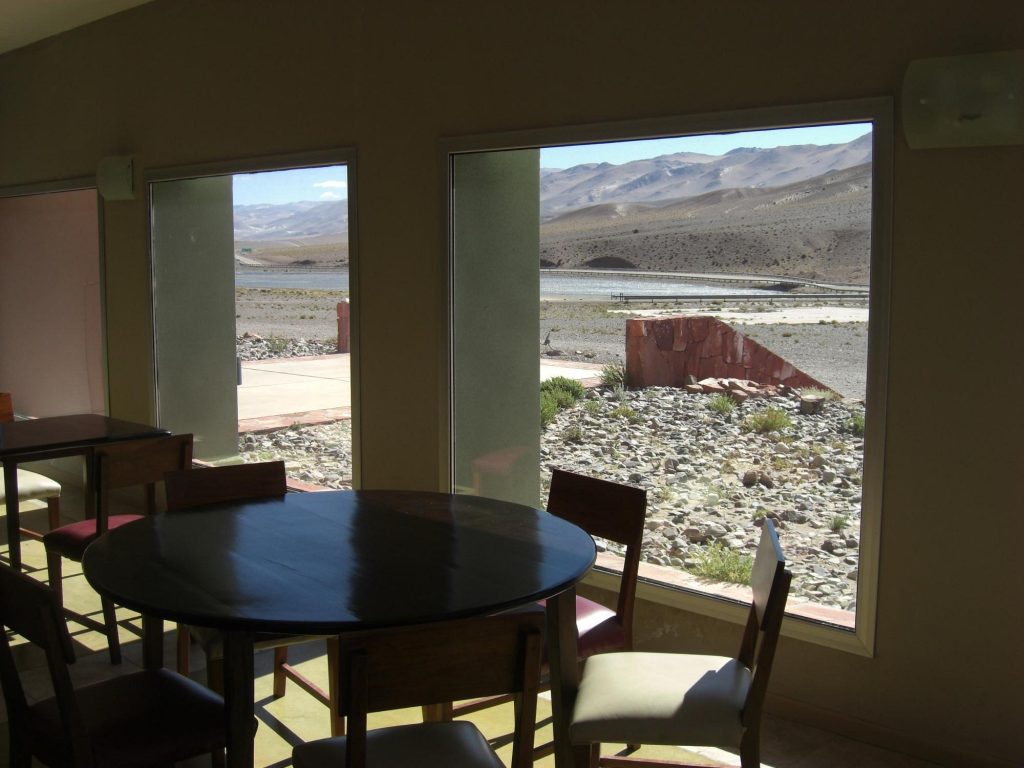
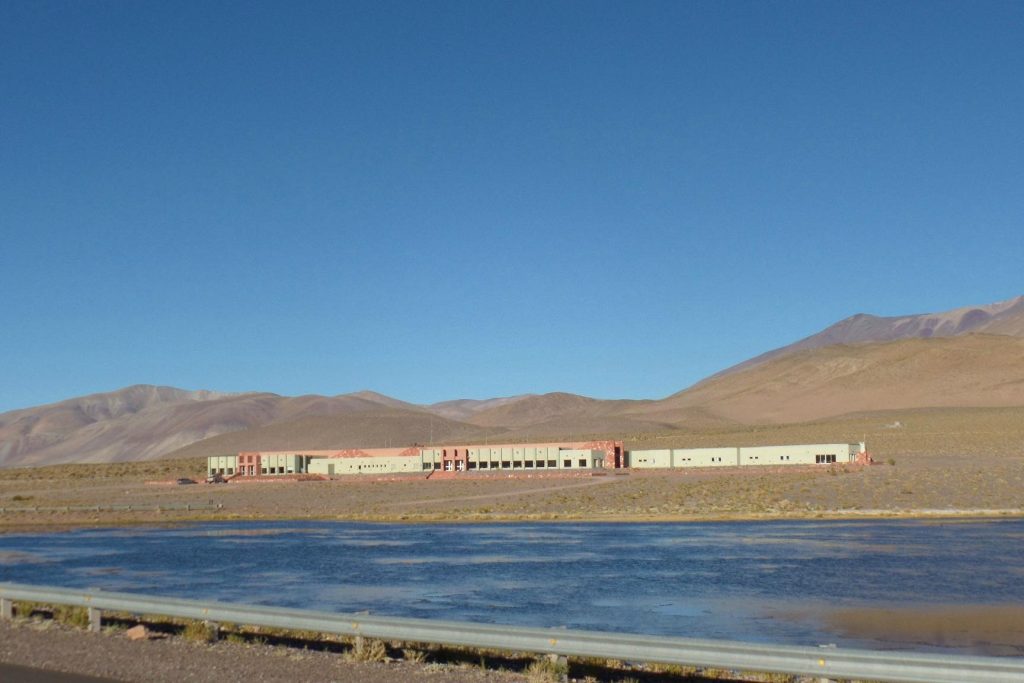
Halfway along the route, at kilometer 100, stands Hostería Internacional Cortaderas, the last place offering services before the landscape turns truly remote. At 3,300 meters above sea level, it is managed by 34-year-old Agustina Mazzeo, who has spent the last 13 years running this refuge. For travelers, she is far more than a hotel manager: she is a high-performance mountaineer who knows these volcanoes like the back of her hand.
“We’re open 365 days a year,” she says. “We welcome travelers, mountaineers, motorcyclists, anglers, tour groups, students, and mining workers. During climbing season, from November to March, we open a dedicated area for expeditions. Summer is actually our low season because of the storms, but it’s when the most climbers come.”
What visitors rarely see is the logistical effort required to keep such an isolated place running.
“This is an extremely windy area. Double-pane windows crack, and water freezes inside the pipes,” she says.
Water comes from a natural spring and must be filtered every day. Electricity is provided by fuel-powered generators, and the natural gas supply comes in the form of large storage tanks transported from elsewhere.
The most human challenge, however, is altitude sickness. At 3,300 meters, oxygen deprivation is real and can require immediate attention. Agustina and her team are prepared to respond. They receive no government support but have built strong ties with mountain guides from nearby Tinogasta.
“They bring clients here, eat at the hotel, and support each other,” she says.
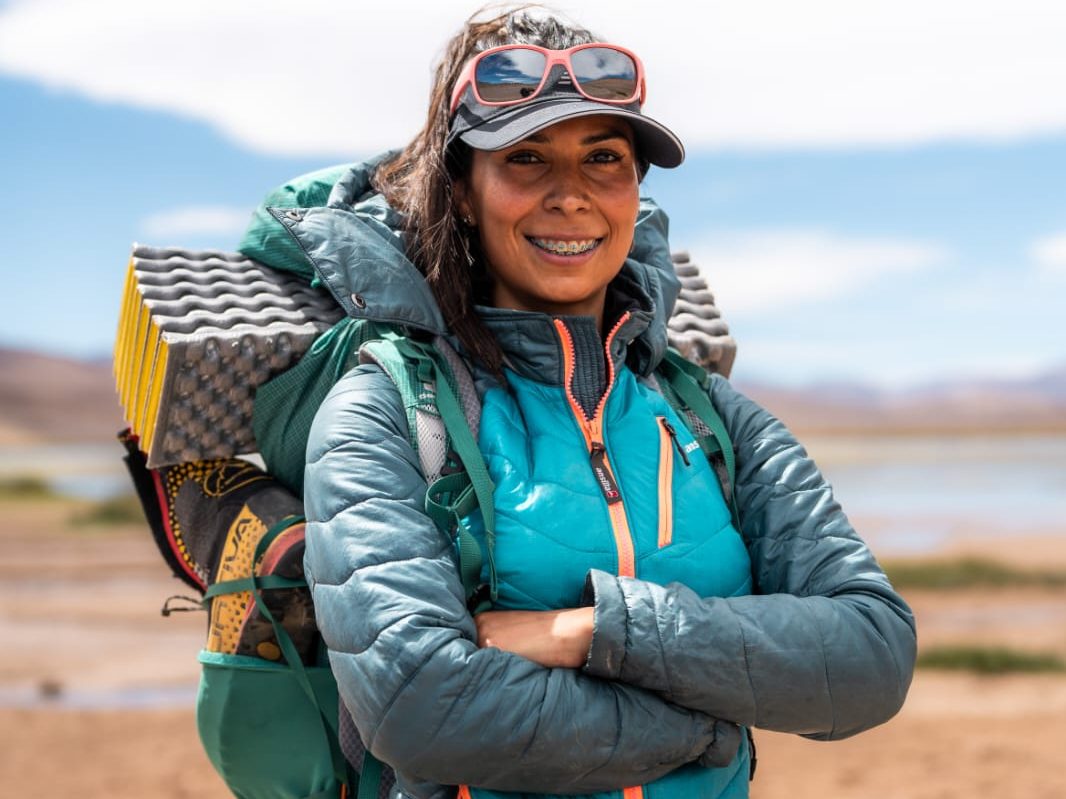
Agustina came to Cortaderas after her father won the lease 15 years ago. She studied tourism but eventually fell in love with mountaineering.
“I got to know these mountains and fell in love with the six-thousanders,” she adds.
She has now completed 45 ascents in several countries, climbed every major summit in Catamarca, Salta, and La Rioja, and is on track to become the first woman to summit every Argentine six-thousander. Thanks to Cortaderas, she also opened “La Casona de Agus” in Tinogasta.
“I climb whenever I can. It’s not easy carrying so much responsibility. Besides managing the hotel, I also help in the kitchen.”
The road stretches on
Beyond Cortaderas, the highway keeps going up. At 4,000 meters lies Las Grutas, the last stop before Chile. Ancient Indigenous ruins reveal a human presence far older than today’s climbing expeditions. Archaeologists have documented 3,500-year-old ceramics in Barreal de La Troya, while the summit of Incahuasi Volcano, at 6,638 meters, preserves an Inca sanctuary built between 1480 and 1533 — the third-highest archaeological site in the Andes.
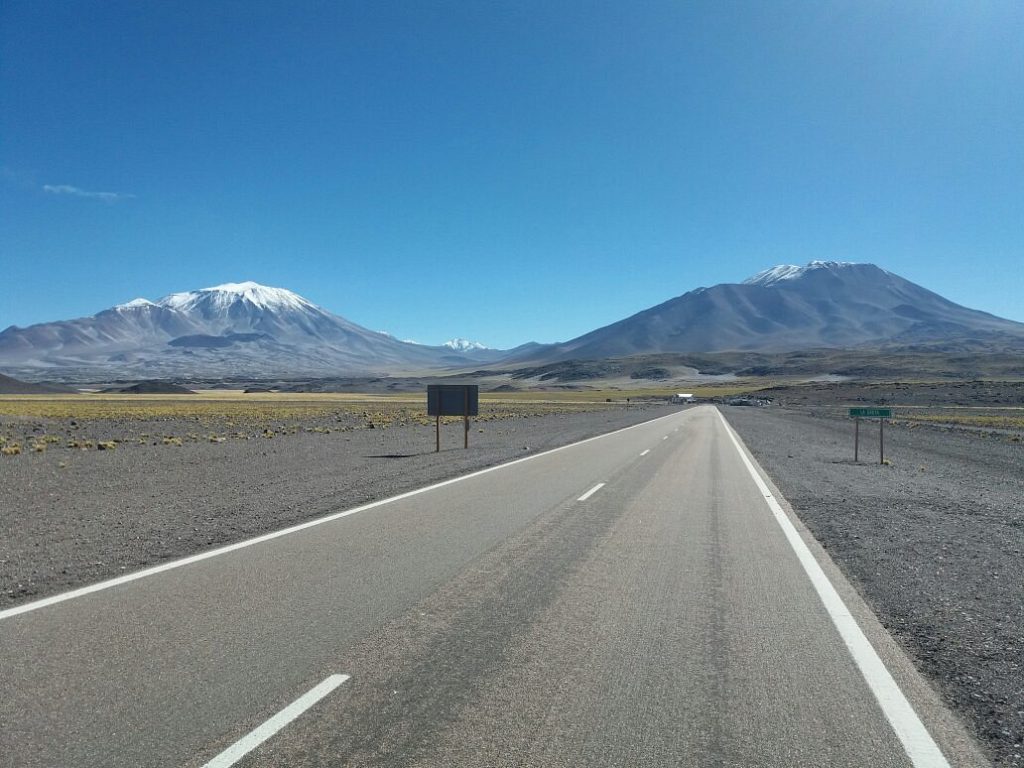
These volcanoes are geologically young, with most of their activity occurring between 10 and 5 million years ago — yet they feel timeless. Ojos del Salado, at 6,893 meters, is the highest volcano in the world and the second-highest mountain in the Americas after Aconcagua. Nearby stand Pissis, Incahuasi, Walter Penck, Tres Cruces, Nacimientos, and San Francisco — an extraordinary collection of summits attracting climbers from across the globe.
“Go slow — but try everything”
To better understand the spirit of the place, I spoke with Eduardo Campos, a 47-year-old mountain guide who has practiced mountaineering since he was 20 and has guided expeditions here for more than 15 years.
“Technically, Catamarca’s six-thousanders don’t differ much from one another. They’re fairly friendly mountains. The real challenge is the altitude: cold temperatures and altitude sickness. Most have sandy terrain, so they require excellent physical and mental preparation,” Eduardo explains.
Eduardo has guided on Aconcagua and throughout La Rioja, Salta, Jujuy, Chile, and Bolivia. Catamarca, however, remains closest to his heart.
“At 47, the Route of the Six-Thousanders and Antofagasta de la Sierra still move me. Visiting these places, seeing friends, enjoying the landscape — I know it’s a privilege,” he says.
His advice is straightforward: go slowly, but dare to do everything without taking unnecessary risks. “With consistency and training, anything is possible. And never underestimate acclimatization. Around here, it’s essential,” he says.
Beginners’ biggest mistake, he adds, is impatience. “People want everything immediately. High-altitude mountaineering is exactly the opposite. Success depends on having the patience to acclimatize,” he explains.
Regarding the increasingly regular use of four-wheel-drive vehicles, Eduardo admits they’re “useful but controversial.” While they can reach places that once seemed inaccessible, they can also leave “scars” on the mountains. Rather than banning them, he advocates better regulation.
“Catamarca has six mountains above 6,500 meters. With proper management, the province could attract much more tourism. It’s a jewel we haven’t fully learned to appreciate,” he says.
The effects of climate change are something he has also witnessed firsthand. “The glaciers have retreated dramatically over the last 20 years, especially on Pissis and Incahuasi,” he explains.
“The lagoon ecosystems are changing, and increased traffic isn’t helping these once-pristine environments,” he adds.
The challenge
Of the almost 19 peaks along the route, the San Francisco Volcano is considered one of the easiest six-thousanders — but at that altitude, “easy” takes on an entirely different meaning.
The ascent began in darkness. Volcanic sand crunched beneath our boots while the headlamps carved tunnels of light through an unfamiliar landscape. The wind blew with the insistence of someone determined to be heard. As we gained elevation, the world narrowed to a simple rhythm: inhale for two steps, exhale for two steps, repeat.
Guided by Tucumán mountaineer Sofía Sava, the group climbed steadily, treating the mountain as a teacher rather than an opponent. There was no rush. At that altitude, haste is a luxury the body cannot afford. When the rising sun painted the surrounding ridges pink, we were halfway there. The final stretch became a meditation in motion.
Then, suddenly, there was nowhere higher to go.
The San Francisco summit
The summit of “Sanfran,” as climbers affectionately call it, is a circle of rocks where silence becomes something tangible. Chile stretches to one side, and the vast Argentine Puna to the other. The neighboring volcanoes seemed like older siblings, quietly watching over a newcomer.
Standing there, it becomes clear why Agustina had fallen in love with these mountains — and why Eduardo, after decades of climbing, still speaks of them with emotion.
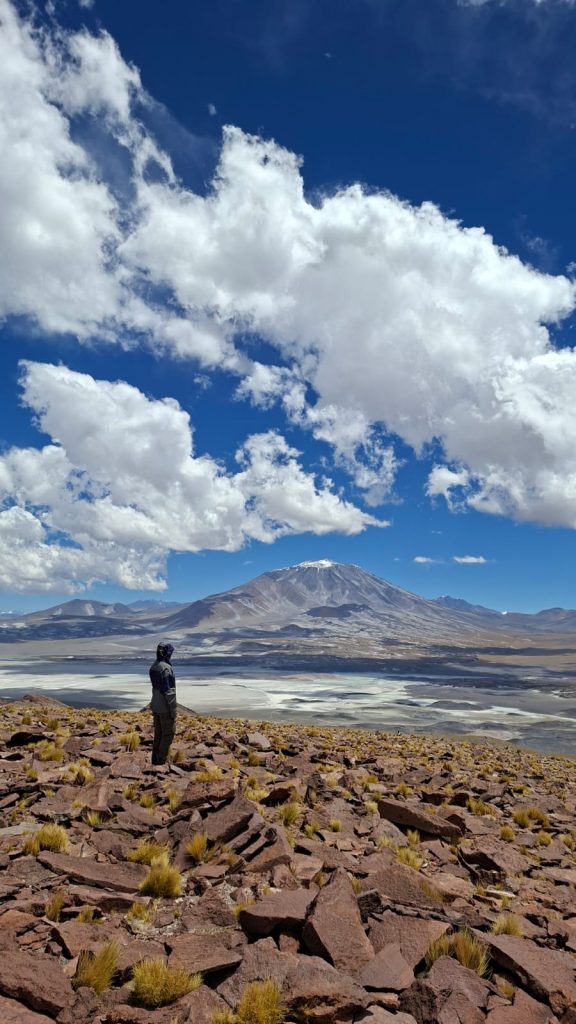
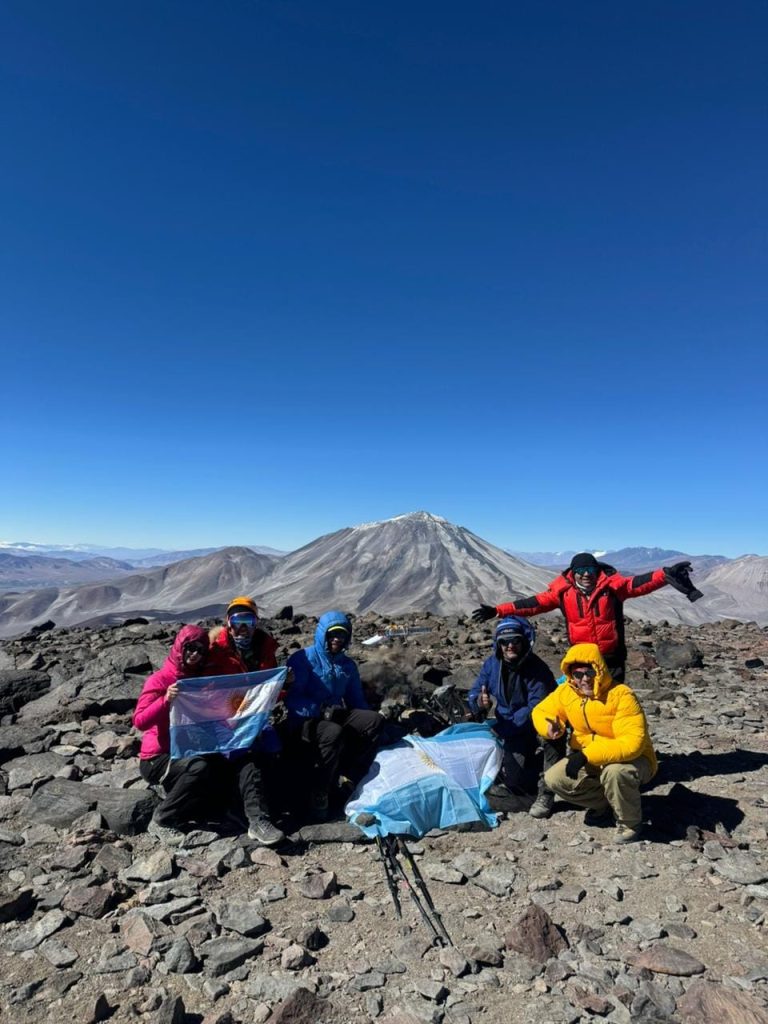
Becoming a mountaineer is about far more than reaching a high summit. It means learning a different rhythm of existence, where patience is not simply a virtue but a condition for survival, where body and mountain negotiate on equal terms, and where every ascent continues a conversation that began centuries ago, when the Incas climbed Incahuasi to make offerings to the mountain spirits.
The descent from San Francisco lays bare the sensation that something is left behind on the summit — perhaps an older version of oneself — and with the certainty that the Six-Thousanders Route is far more than a tourist destination or a mountaineering circuit.
It is, above all, an invitation to listen to what the silence of the Puna has to say to those willing to stop long enough to hear it.
Practical information
- Total distance: 201 km (Fiambalá – San Francisco Pass)
- Highest point on the road: 4,726 meters above sea level (San Francisco Pass)
- Best time to visit: October to April
- Key accommodation: Hostería Internacional Cortaderas (km 100, 3,300 meters)
- Vehicle: Four-wheel drive required for secondary roads
- Typical ascents: 4–7 days with camping for the six-thousanders
- Nearest airports: La Rioja (275 km) and Catamarca (324 km)
- Don’t miss: Fiambalá Hot Springs and Campo de Piedra Pómez.
