

 Allie Sivak
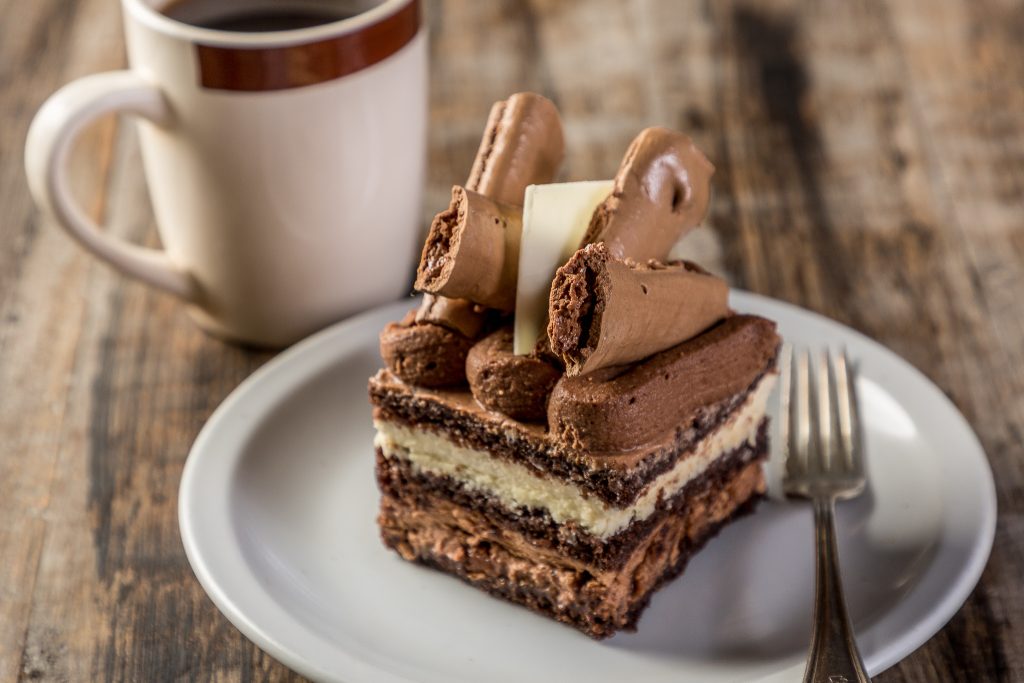
 “Oh, you only have a couple hours. We can work with that” — was my local Argentine friend’s response when I said I had made plans for dinner in a couple hours. A large slice of chocolate cake topped with meringue and dulce de leche and two cappuccinos sat between us in the center of the table on a quiet tree-lined cobblestone street. It was 6:30 p.m. in Buenos Aires, and being from the U.S., my productivity-obsessed culture had not prepared me for the level of lingering in this country — and certainly not over something as simply enjoyable as cake.
To my delight, Argentina had a real, nationally recognized third out of four mealtimes, situated comfortably between lunch and dinner: merienda. It was a dream come true for me, but no such late afternoon mealtime exists in the States. So, the idea that 1) meeting for an array of caffeine and sweets before dinner was the norm and 2) it would typically last more than an hour or two took me by surprise.
This was my first time visiting Argentina in January 2024, the trip that would inspire me to return to live in Buenos Aires just over a year later — and merienda, while seemingly just another eating occasion, says a lot about what I love about life in Argentina.
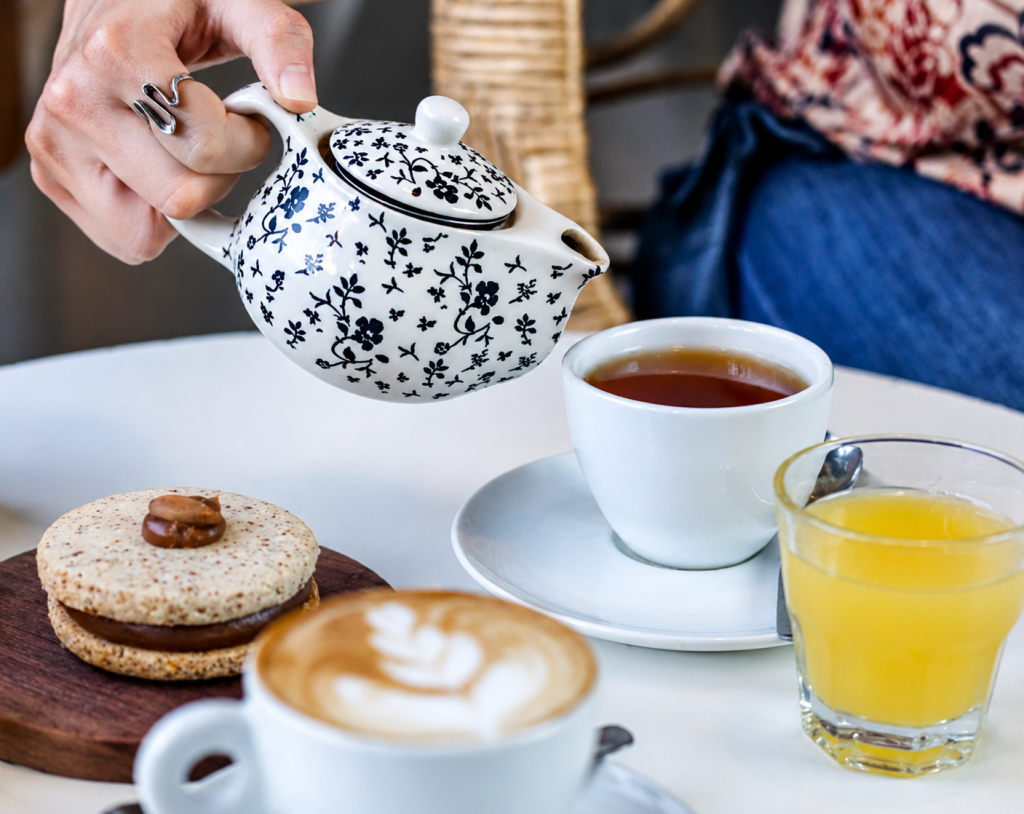
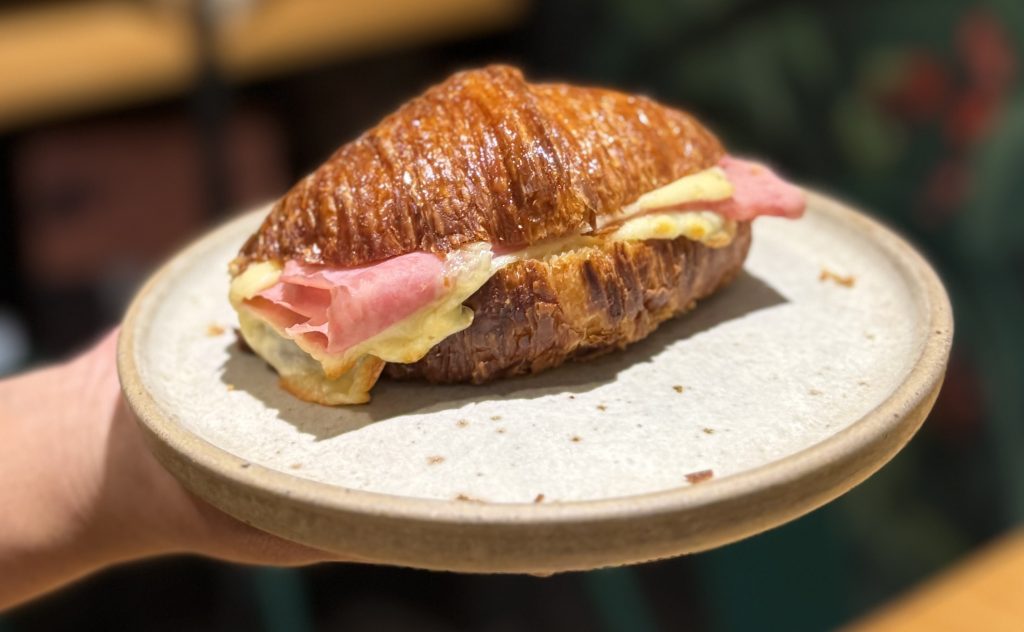
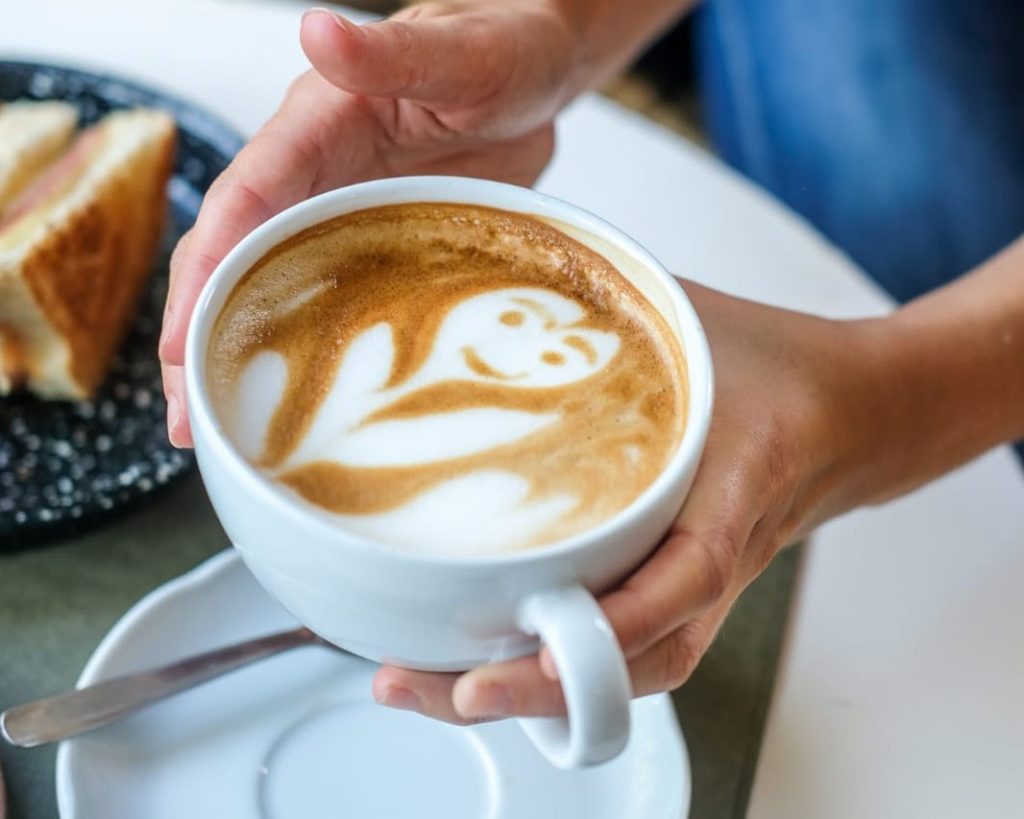
Walking down the streets of Buenos Aires around 6 p.m., you’ll see cafes filled with people enjoying café con leche, plates of medialuna (“half-moon”) pastries, and tostado sandwiches with ham and cheese, often around the table with family and friends. No one’s in a rush. Relaxed body language and displays of impassioned conversation will tell you that pretty quickly.
And yet like the paradoxically relaxed and bustling city that is Buenos Aires, merienda can take a minute to get a handle on. There’s an art to the late afternoon mealtime, along with a few things you need to know to really enjoy the experience.
More than just a snack
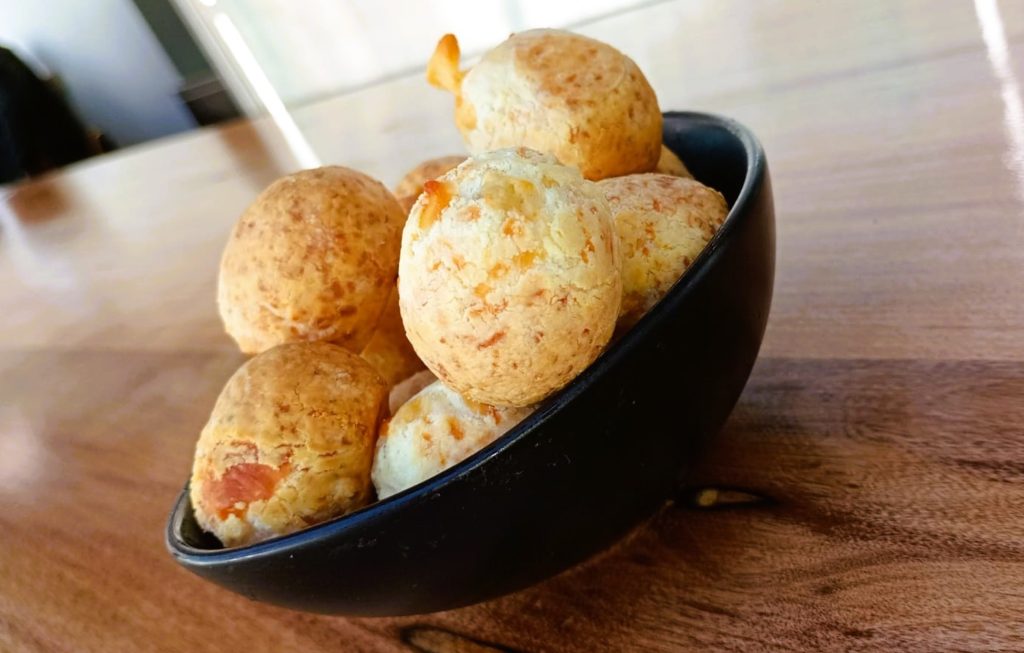
Sure, a good chipa (circular cheesy bread) or two in the late afternoon between the hours of 5 to 7 p.m. may tide you over until Argentina’s customarily late dinner, typically around 9 p.m. (or later). However, there’s a difference between hurried handfuls of trail mix between work calls and merienda, which notably made its way to Argentina via the Spanish colonization from the mid-16th century until the country’s independence in 1816. But compared to merienda in Spain and other Spanish-influenced countries, the traditional foods and conversations are what make the experience here quintessentially Argentinian.
One of the best things about merienda is that it’s not really a practical meal, and it’s certainly not meant to be a fussy occasion — though it can be, if you want. You can enjoy something light like dulce de leche-filled alfajor cookies and coffee or tea. Or if you’re hungry, go for a heartier meal like avocado toast or sandwiches de miga. Meet at a cafe or seek out cakes or treats like churros or factura pastries with fillings like pastry cream and membrillo (sweet quince paste) from the city’s plethora of bakeries.

It’s just as common to walk to a park on a sunny day, where you’ll join hordes of Argentines sitting on picnic blankets and park benches, passing around a gourd of yerba mate and enjoying the bitter, communally-shared tea with simple cookies or crackers.
Whatever you do, as I learned in my early travels to Buenos Aires, it’s best not to pack your afternoon schedule or plan for an end time when it comes to merienda — or any other social gatherings in Argentina, for that matter. You never know where the conversation will take you (or how long public transport will take to get you to your next destination).
A meal worth sharing
While you can certainly take merienda as a break by yourself, the two-for-one menu promos and large portions of cake offered at cafes reflect that merienda is an activity that is best when shared. Ask Argentines about merienda and you’ll quickly learn that the meal is largely about nostalgia and moments together.
My boyfriend recalls childhood memories enjoying a warm chocolatada and assorted cookies with his mom after school, Sunday merienda facturas with his parents, and the old-school packaged Jorgito alfajor cookies his grandma always kept in her house for such occasions. Beyond the food that was on the table, merienda added structure to his afternoons and a special time to convene with family.
For me, even though I’m not from Argentina, merienda also constitutes some of my favorite experiences with my community of friends that make Buenos Aires feel like home today. Sitting in the park charlando over medialunas and fruit in the late summer afternoon sun, meeting for coffee and pastries after Spanish class, or gathering at friends’ homes after the workday.
No matter where you’re from, merienda is a bit of the antithesis to the busyness and motion of everyday life. It’s a time in the day meant for prioritizing some of the most precious things: connection and enjoying the moment. And from what I can see, Argentines have mastered those things.
