
 Juan Décima
You might have heard of the Chacarita cemetery in Buenos Aires. Although not as well known as its Recoleta counterpart, it has a few highlights of its own. It is the largest in Argentina, with a total surface area of 950,000 square meters, and serves as the final resting spot for a slew of Argentine giants, from tango singer Carlos Gardel and pop star Gustavo Cerati to poet Alfonsina Storni and painter Benito Quinquela Martín.
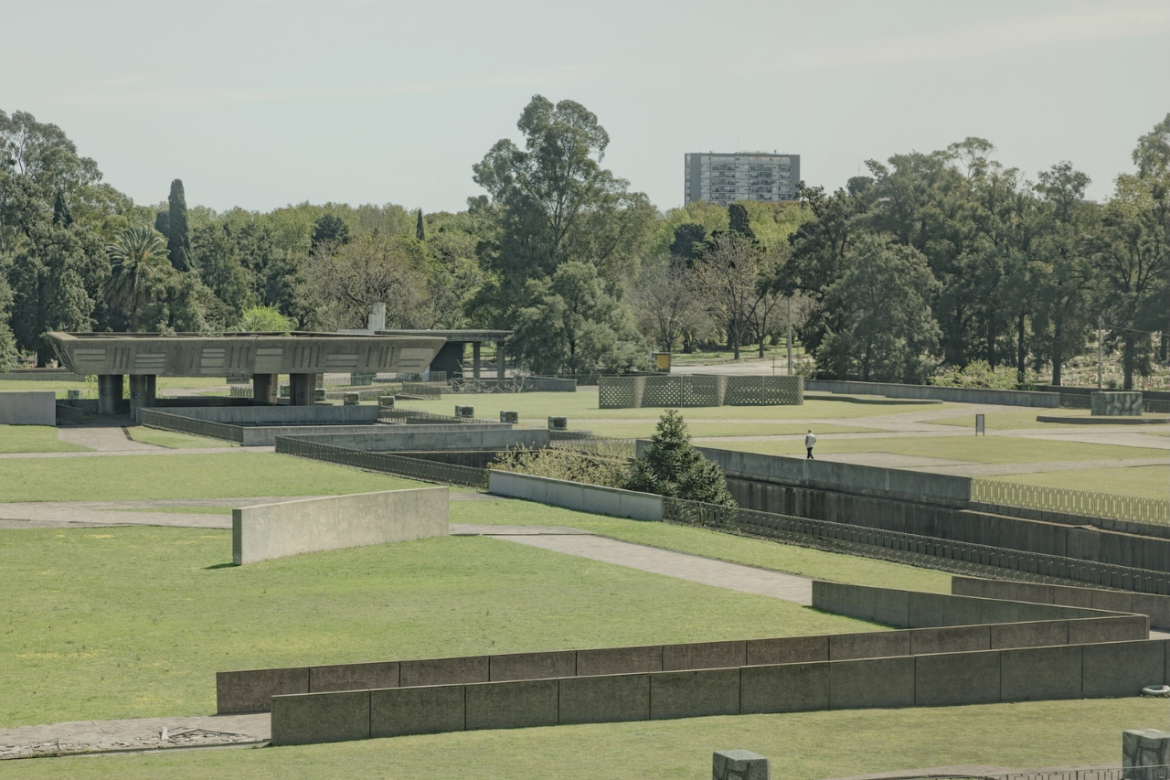
What you probably have never heard about is the 300×300 meter burial ground located at the center that is unlike any other in the world: the Sexto Panteón (Sixth Panteon). A colossal complex below the surface of a ground-level park, the pantheon is considered an architectural masterpiece and perhaps one of Buenos Aires’ best kept secrets.
If you’re wondering why it’s never come across your radar, it’s probably because even most porteños don’t know it exists.
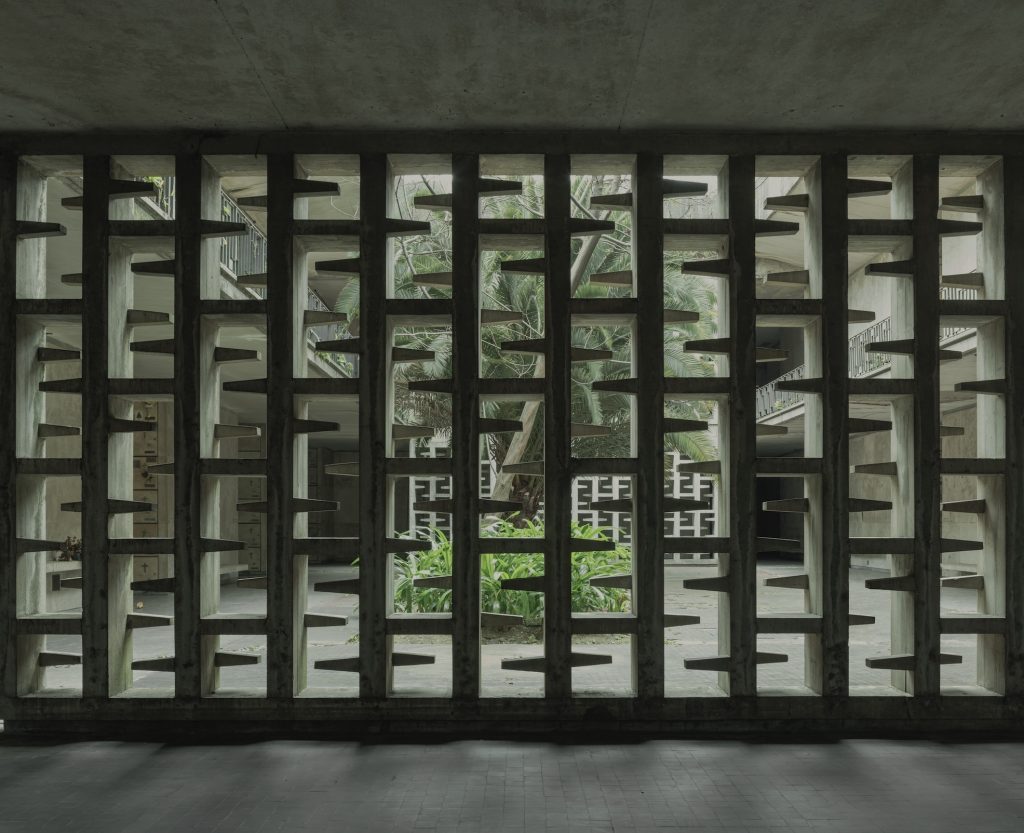
“I visited the Sexto Panteón for the first time in 2014. It was a total shock, as I had never seen anything like it. The funny thing is that most people I spoke to about this in Buenos Aires kind of laughed and shrugged it off, like they didn’t think it was such a big deal,” French architect and researcher Léa Namer told the Herald.
Namer was determined to learn more. In 2019, she returned to Argentina and began investigating. Her research led her to explore the cemetery’s history as a project born to deal with the city’s massive demographic surge.
She also discovered that a woman named Itala Fulvia Villa was behind the project, a rare occurrence in the Argentina of the 1950s. Villa had been a key figure in the Argentine modernist movement, but her name and achievements had fallen to the wayside over the decades.
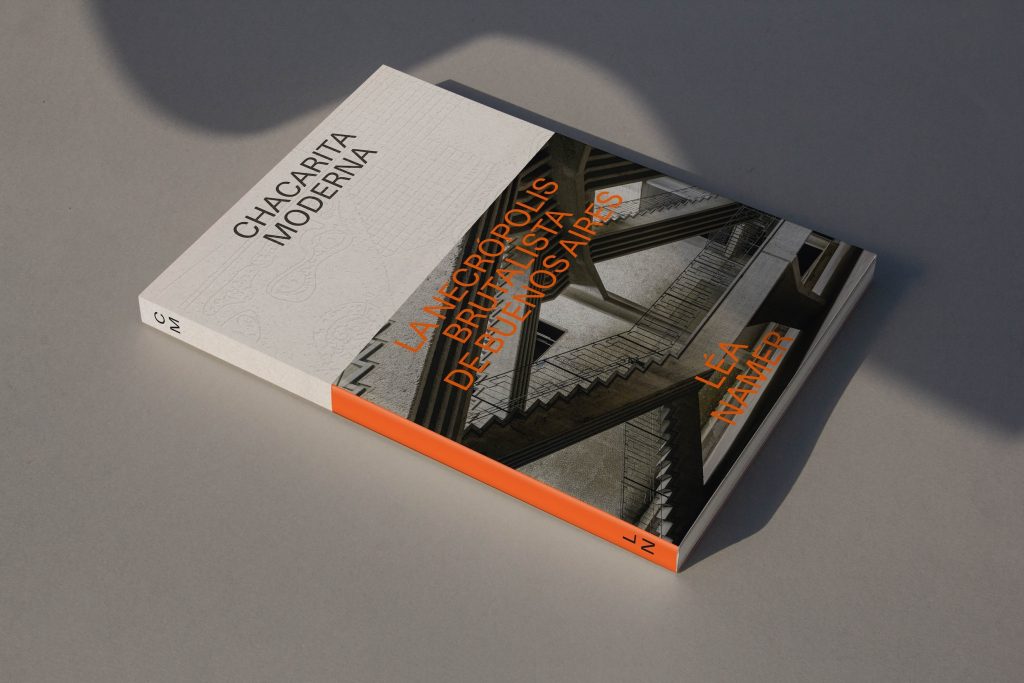
Namer would eventually publish a book on the necropolis called Modern Chacarita that was released in a French-English edition in 2024. Last July, she was able to publish the Spanish-English edition, which she will be presenting during August and September in Buenos Aires. She is also producing a documentary on the cemetery, although there is no timetable for when it will be finished.
“Ever since I saw the cemetery for the first time, I had the feeling it would somehow change my life. And here I am, ten years later, still pursuing this project.”
The Sexto Panteón on the ground
The porticoed entrance to the Chacarita cemetery is a classically-designed front gate. Lined up along the main road beyond it lies an array of family mausoleums, all arranged in a grid-type pattern similar to what you might see in any Argentine cemetery. You can see the Sexto Panteón park in the distance and a vast green expansion at the end of the road, stretching out seemingly up to the edge of the horizon.
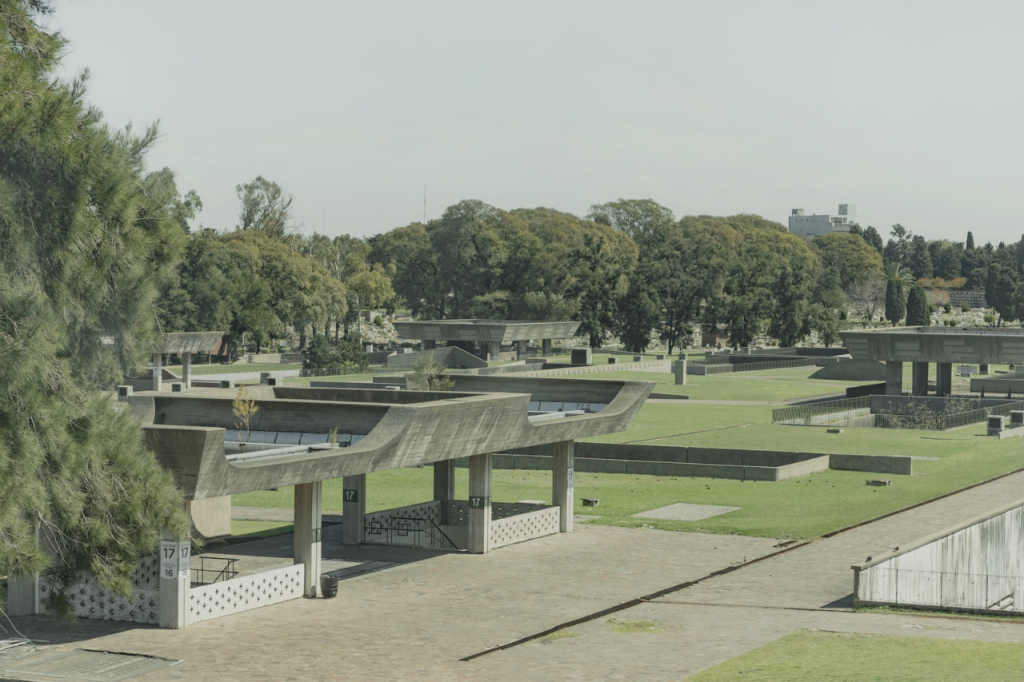
Scattered across the park are a series of concrete structures. They irradiate an irresistible aura, luring people to approach them to see what they are. As visitors walk up to them, they discover the underground complex below the surface.
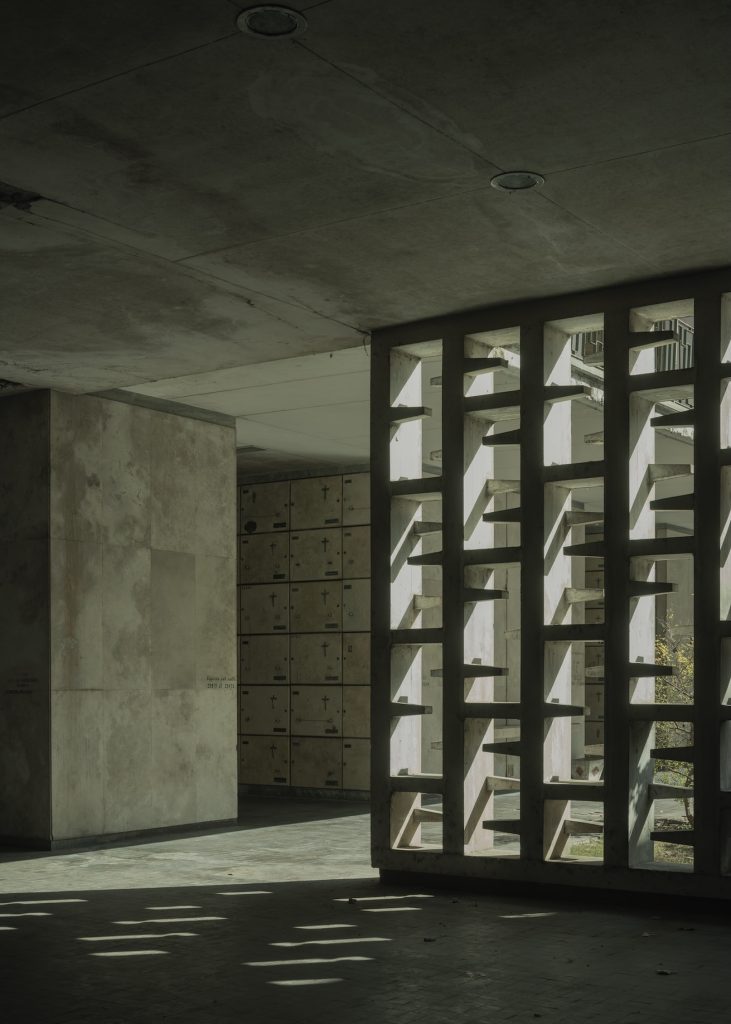
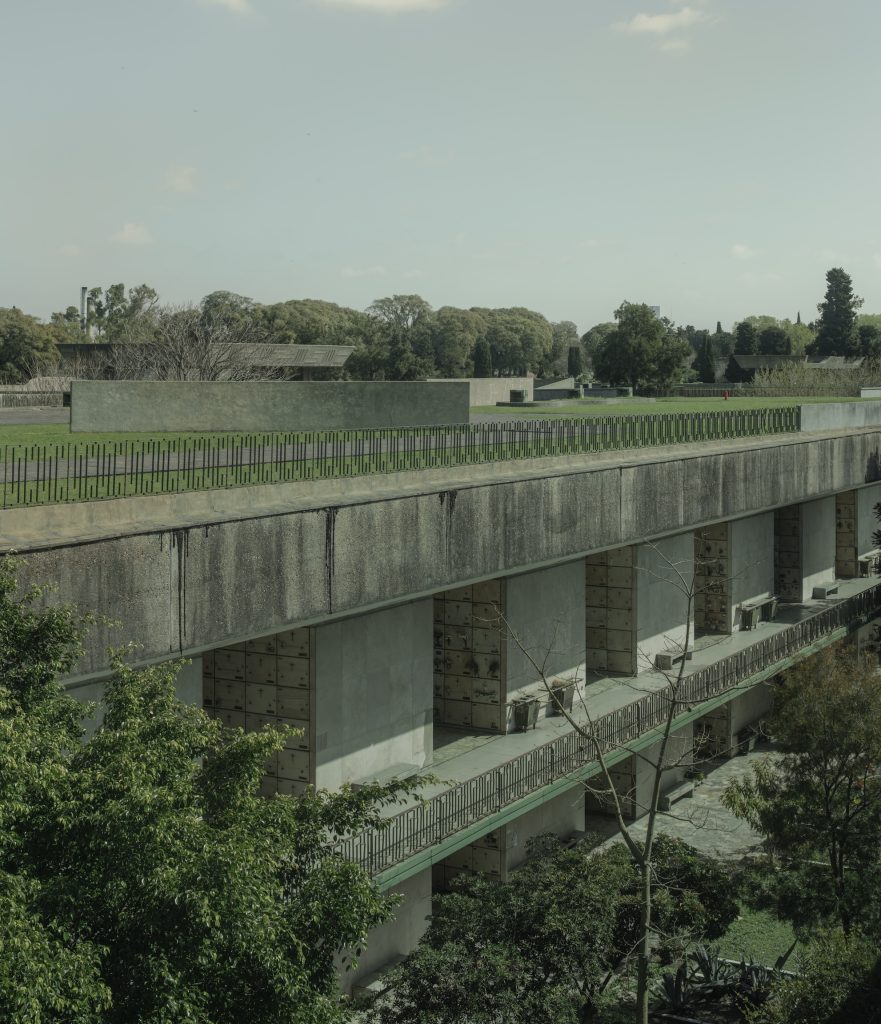
The pantheon is structured around eight galleries linked by ramps, corridors, and shafts, all lying underneath the park. The coffins and urns are placed in the corridors surrounding the gallery, which is located two stories below the ground-level. A series of open-air concrete staircases leads those wishing to visit or wander the corridors.
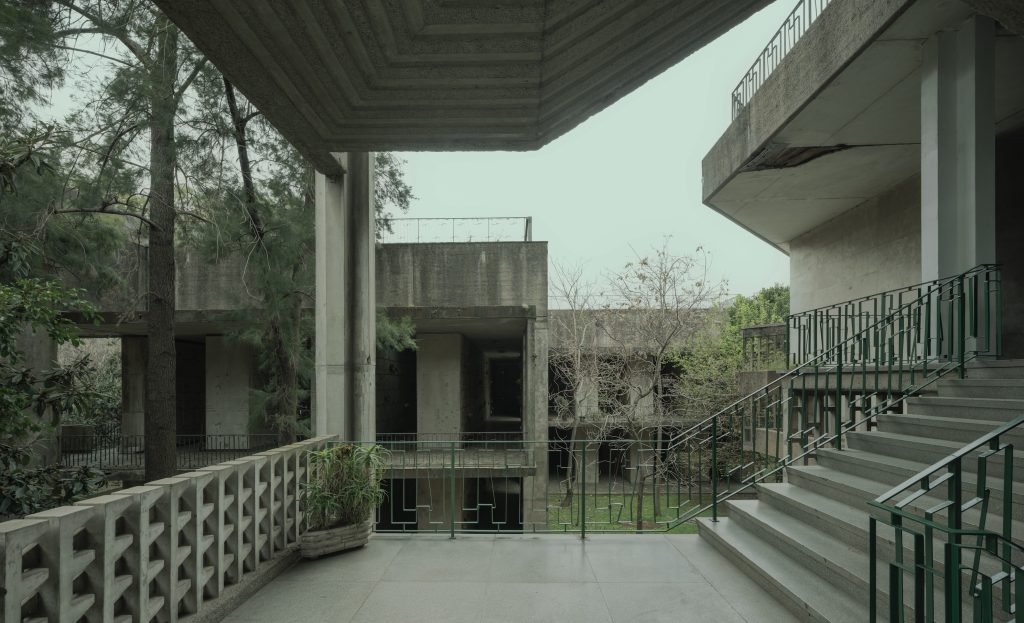
Built between 1950 and 1958, the cemetery was designed by the Buenos Aires’ architecture and planning office as the city strived to manage death in a growing metropolis that was running out of land. The project also reflects the austere aesthetic of its time. The stark concrete walls, monumental proportions, and stripped-down geometry give the complex the brutalist look that many works of public architecture adopted during the mid-20th century.
Namer calls this kind of design a vertical-park cemetery. “It’s one-of-a-kind. There is no other thing like it in the world,” she added. Among its many singularities, there’s the sheer numbers. According to the original blue prints, it was planned for 150.000 burial niches: 96,000 for coffins, 7,000 for ossuaries, and 42.000 for urns. The entire Recoleta cemetery, as a comparison, has a little over 6,000 burial sites.
Also, cemeteries are rarely planned architectural commissions. But even when they are, projects do not tend to take into consideration plans or activities for the living. In the case of the Sexto Panteón, the park was meant to be used as a leisure space by city residents.
“That doesn’t really happen nowadays, and that’s partially because our relationship to death has changed. But if you look at pictures from when it first opened, you could see images of people lying in the grass having mate,” Namer pointed out.
Looking for Itala
The book is an investigation into the design and construction of the Sexto Panteón as much as it is an exploration into Itala Fulvia Villa. Filling up a gap in the architectural archive, if you will. Namer remembers going online to see what she could find out about the cemetery and not coming up with much on either the project’s details or the person responsible for designing it.
“I went to the Architects Central Society library in Buenos Aires and found a short article that mentioned her name in connection to the project, so I knew a woman was involved,” Namer explained. According to her, that might be one of the reasons the project was so unknown. She also found that renowned Argentine architect Clorindo Testa was somehow attached to the work, but not much more.
Testa, who would go on to design iconic buildings like the Mariano Moreno National Library and the Banco de Londres, collaborated on the project as a young architect. In some places, the cemetery has been erroneously attributed to him, since the aesthetics were very similar to the use of rugged concrete that became his signature style.
Born in 1913, Itala Fulvia Villa graduated as an architect in 1935. She was an active member of Grupo Austral, an architecture collective that had great influence on Argentine modernist thought. As such, she became a key collaborator on an urban plan the Swiss-French master Le Corbusier drew up for Buenos Aires in 1938. While two Austral members worked with Le Corbusier in Paris, Villa was in charge of drawing up all documentation, from aerial photos to drawings.
Villa also worked as a city planner. She was part of the team that planned the expansion of 9 de Julio Avenue, considered one of the widest in the world. In 1945, she would win a design award for a planned neighborhood in Flores. Namer’s book also highlights the political circumstances that surrounded the construction of the cemetery, as Villa was able to complete the project amidst the chaotic and violent situation Argentina endured in the 1950s.
Namer is set to make six book presentations in Buenos Aires, between August 22 and September 6. The book can be purchased here. For those interested in the book as well as the cemetery itself, the planned activities include two separate guided tours of the cemetery. The first will be done on August 23 and the second on September 6. The tour is free but requires signing up beforehand. You can check out the full agenda of all the presentations here.
All pictures of the Sexto Panteón courtesy of Federico Cairoli
