

 Danielle Ames
 If you haven’t watched all six episodes of The Eternaut yet, it’s best to stay indoors, as venturing beyond your apartment means inevitable spoilers. The recent release of Netflix’s Argentina-based sci-fi series has taken Buenos Aires by storm (quite literally).
The show, an adaptation of Argentine author Héctor G. Oesterheld’s 1957 graphic novel, El Eternauta, features Ricardo Darín, the country’s most famous actor. The series tells the tale of a post-apocalyptic alien invasion of Buenos Aires. A mysterious, deadly snowfall kills the majority of the population and thousands are left stranded. The survivors must support each other in resisting and fighting — the only chance they have is to join together.
The visual effects in the series are unprecedented for Argentine standards, and the crew faced hurdles with filming in such busy iconic locations. Post-apocalyptic Buenos Aires is covered in snow — the film crew would fill entire blocks of the city with salt or cellulose that would get into people’s houses. While visual effects were used to alter the locations, they are real city areas. So you can suit up on your Eternauta costume of choice and check them out while you’re in Buenos Aires.
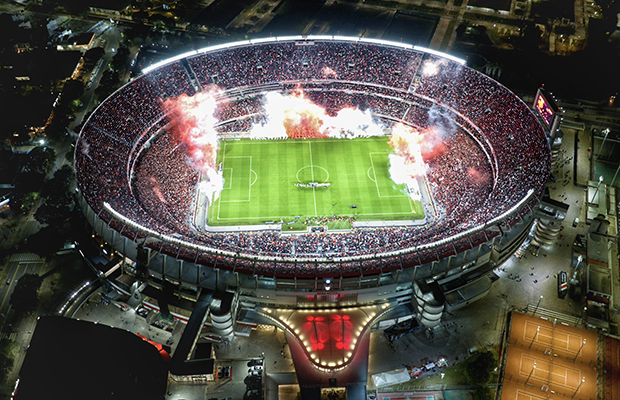
- River Plate stadium (Av. Pres. Figueroa Alcorta 7597): Located in Nuñez, this is the biggest stadium in Argentina, and home to the River Plate football club — one of the country’s largest and most successful teams. It’s also a popular venue for international artists, Taylor Swift, Paul McCartney and Coldplay have all performed shows there.
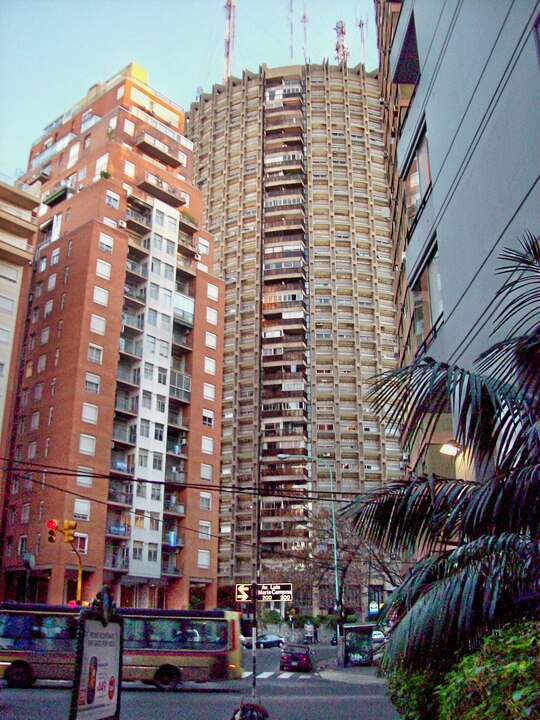
- Torre Dorrego (Av. Dorrego 2699): Originally designed to provide military officers and officials with affordable housing, the Torre Dorrego is an enormous brutalist style curved building in Palermo built in the late 60s and early 70s. In order to avoid privilege, all 240 apartments in the 32-floor building have equivalent views, are about the same size, and even have the same amount of sun exposure throughout the day.
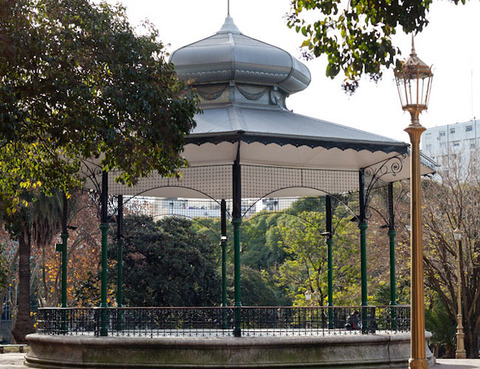
- The Glorieta in Barrancas de Belgrano (11 de Septiembre de 1888 1901): This iconic pavilion is located in the Barrancas de Belgrano, right next to Barrio Chino, Buenos Aires’ Chinatown. The structure was built in 1910 to host orchestras and bands in outdoor concerts, and was used by political speakers and for rallies or debates. It’s built with an industrial revolution architecture style, built from iron, with a marble staircase. Today it’s a popular space for events, classes, and especially tango dancing.
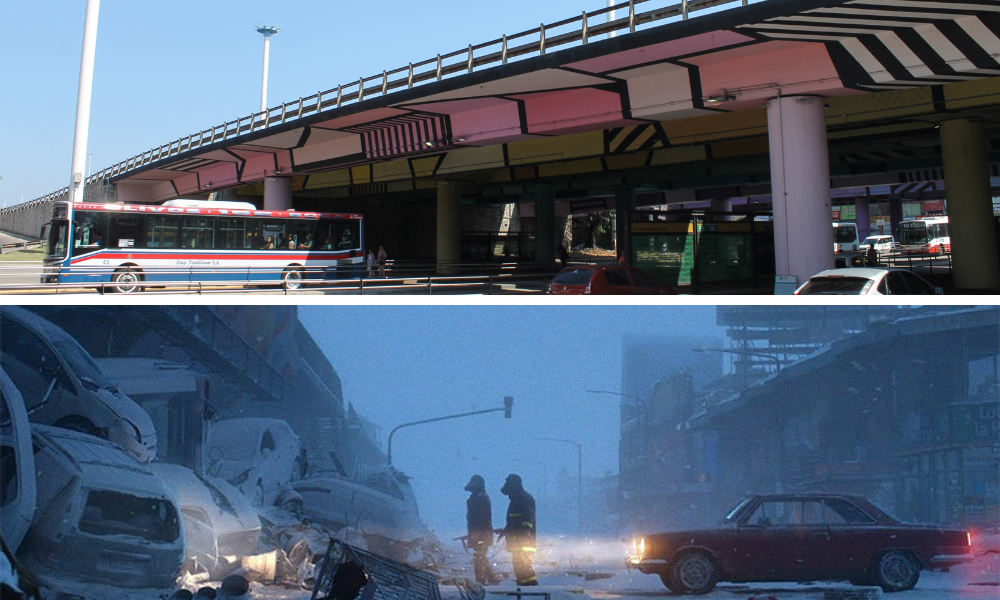
- Puente Saavedra: This concrete bridge in Vicente López is a highway overpass that permits General Paz Avenue to cross Cabildo Avenue on the south side and Maipú Avenue on the north side. It’s a 13-lane expressway that has entrance and exit ramps, and it’s one of the key areas for entering Buenos Aires from the northern suburbs.
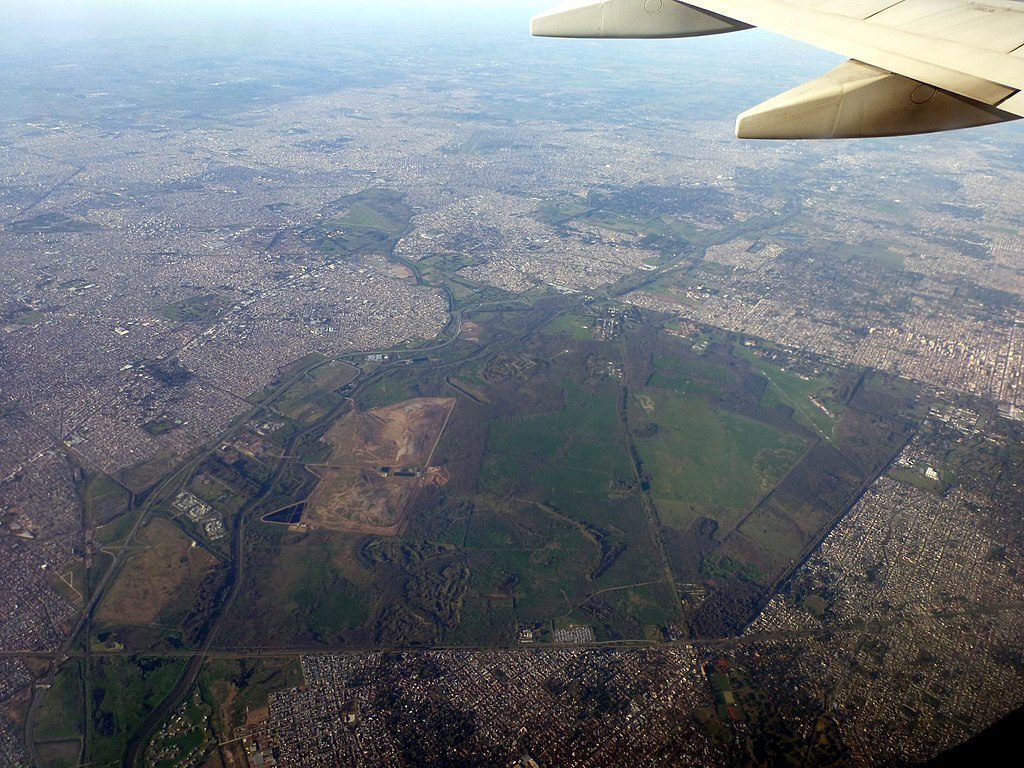
- Campo de Mayo: One of the most important military bases in Argentina, Campo de Mayo is located in Greater Buenos Aires, about 30 kilometers northwest of Buenos Aires. The space is enormous, and at least four clandestine detention centers operated there during the last military dictatorship; an estimated 3,500 to 5,000 individuals went through Campo de Mayo, the majority of the victims disappeared. There is also a military prison on site where the Junta leaders were sent after the 1985 trial that prosecuted the leaders of the military dictatorship.
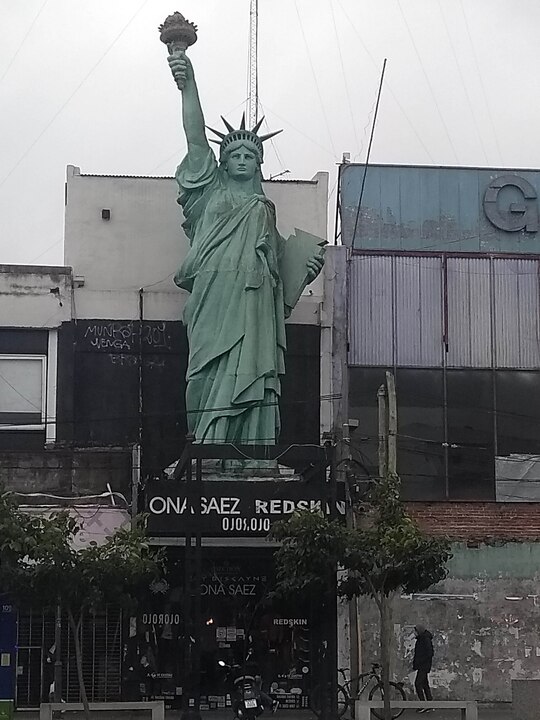
- The Statue of Liberty in Munro (Av. Bartolomé Mitre 2283): A replica of the Statue of Liberty stands in front of a commercial area in Munro, a zone of Vicente López. It’s one of several that exists in Argentina — more well-known is the statue in the Barrancas de Belgrano which was made by the creator of the original sculpture, Frenchman Frédéric Bartholdi.
