
 Buenos Aires Herald
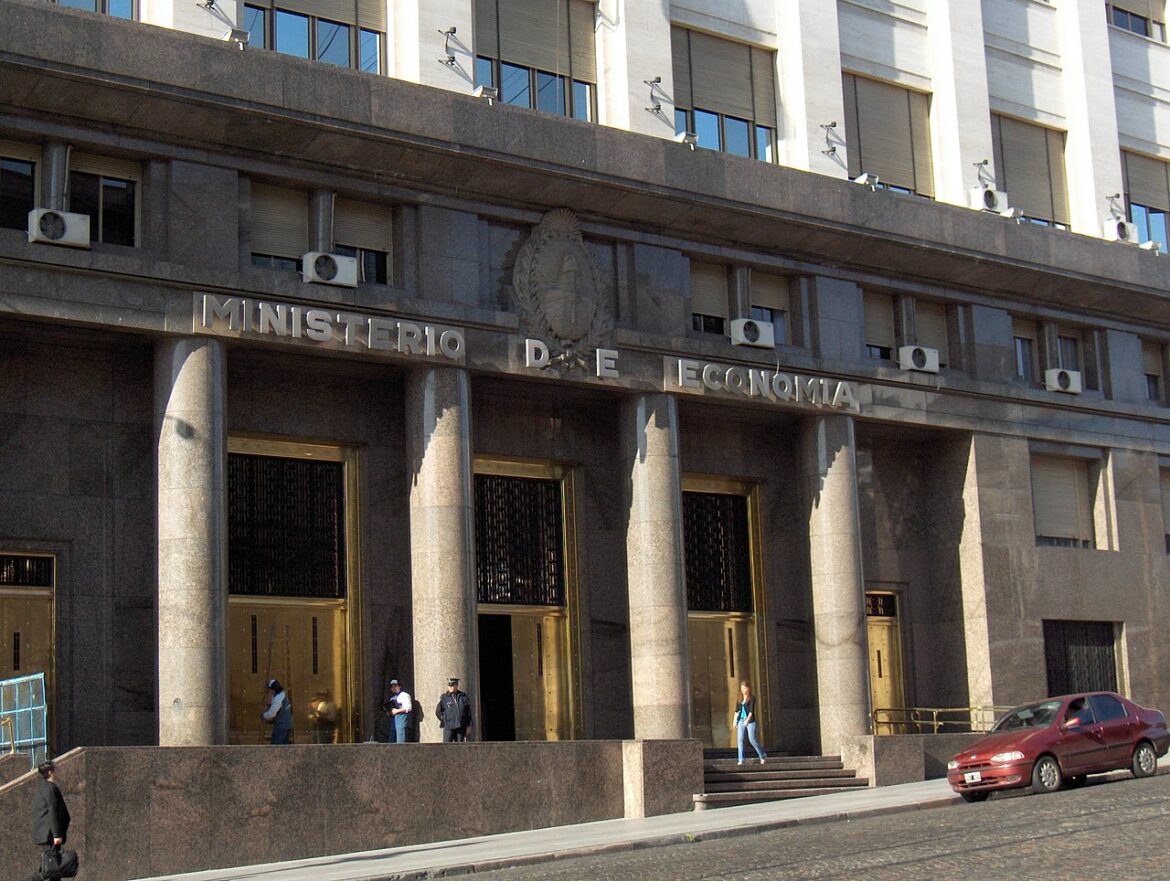
The Economy Ministry issued debt in local currency for AR$5.2 trillion in a bond auction on Wednesday, although there was little appetite for “dollar-linked” bonds. With the auction, Economy Minister Luis Caputo covered almost 79% of the AR$6.6 trillion pesos that are set to mature this week.
Most of the debt (AR$2.53 trillion) corresponded to a short-term fixed-rate bond (Lecap) due in March. The monthly effective rate (TEM for its Spanish initials) validated for this instrument was 2.53%, a figure that exceeds the expected inflation for the first quarter and aligns with the yields observed in the secondary market.
Additionally, the ministry raised another AR$1.87 trillion with three other Lecaps, maturing in May, July, and November, respectively, with rates ranging from 2.2% to 2.5%. Lower demand was observed for a government-issued Boncap and an inflation-linked bond (CER) with a maturity date in February 2026, and the bond adjusted to the evolution of the official exchange rate (dollar-linked), due in January of next year.
“Today we offered dollar-linked bonds due in January 2026… and almost no one came (we allocated AR$80 billion with a devaluation of +5%). What people think is one thing, what the market does is another,” said Finance Secretary Pablo Quirno on his X account.
Such statements from the government came amidst discussions about the sustainability of the exchange rate system. Given the clear exchange rate appreciation, which is causing a strain on external accounts within a framework of negative net reserves, many economists warn that an orderly exit from the currency controls (the cepo) is unlikely with the current dollar value. In contrast, the government denies any imminent devaluation, which seems to have been reflected in the market’s preferences in this last auction.
For economist Gabriel Caamaño, many investors are seeking more interest rate differentials in dollars, in the context of the crawling peg devaluation scheme and greater appeal for carry trade strategies.
“It’s also true that even though pesos’ interest rates are rising in the secondary market, not everything that was due has been rolled over,” Caamaño told the Herald’s sister publication Ambito.
Based on Wednesday’s performance, Santiago López Alfaro, president of Patente Valores, explained that investors did not want to take on much long-term risk and that the market is confident there will not be a devaluation. Regarding the nearly 80% rollover, he saw it as a healthy sign since “it reflects that banks are providing a lot of credit and need liquidity.”
