

 Buenos Aires Herald
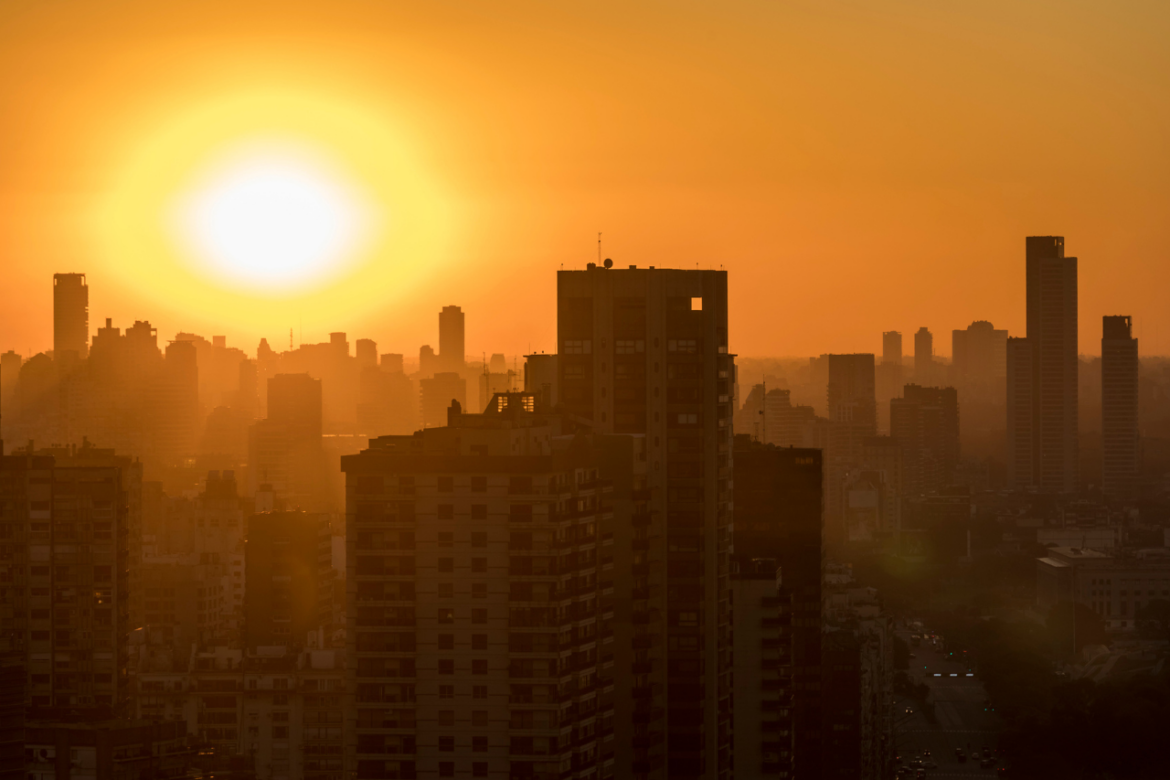
With yellow alerts issued for a heatwave hitting much of Argentina this week, the total demand for electricity surged well beyond expectations on Monday. Temperatures in the Buenos Aires Metropolitan Area (AMBA) reached 32°C — and are expected to keep rising during the week — while some provinces saw thermometers mark over 40°C.
Electricity consumption peaked at 24,729 megawatts at 3 p.m., according to Cammesa, having increased throughout the day. The number was 1,000 megawatts over the forecast 23,588. Despite the higher value, it’s well below the record of electricity consumption recorded on a business day: 29,653 megawatts. That happened on February 1, 2024, at 2:48 p.m., with an average temperature of 31.5°C in Buenos Aires City.
The electricity management company warned in its weekly report that the forecast high temperatures and heat may come with record-breaking demand for energy, so more electricity imports from Chile, Uruguay, Bolivia, or Brazil are on the table. Imports on Monday comprised 8% of the total, about 1,900 megawatts.
The heatwave
The National Meteorological Service (SMN for its Spanish initials) has issued a yellow alert for extremely high temperatures for most of Buenos Aires province — bar its cooler Atlantic coast — Entre Ríos, Corrientes, Misiones, Formosa, Chaco, Salta, Santa Fe, Santiago del Estero, Córdoba, La Rioja, San Luis, La Pampa and Mendoza. Thursday, January 16, is set to be the hottest day, with temperatures reaching 37°C in Buenos Aires City, before rain on Friday is expected to bring some relief.
According to Cammesa, the highest temperatures could come with power outages and a new record: the company forecasted demand for 29,662 megawatts to cover electricity consumption.
In the meantime, the SMN’s advice is to drink plenty of water (even if you’re not thirsty), avoid the sun as much as possible (particularly between 10 a.m. and 4 p.m.), stay in ventilated areas, reduce physical exercise and eat fruit and vegetables instead of hot meals. Also, make sure to look out for older adults and children, who are the most affected by high temperatures.
Originally published on Ambito